Chinese


How Much Does a 250 TPD Chrome Ore Processing Plant Cost? Complete Investment Breakdown, Equipment Budget, and Fast Payback Guide for Investors
If you're searching for a 250 TPD chrome ore processing plant cost, you're probably not looking for a fancy number. You want real numbers, real equipment, and a realistic payback. Good. Let's cut through the noise.
A 250 TPD (250 tons per day) chrome ore processing plant is a sweet spot for small to medium investors. It's big enough to make money, small enough to manage. But the total investment isn't just "equipment price." It includes land, permits, civil works, power, water, tailings, working capital, and the right machines.
Below is a complete breakdown, plus case studies from China and overseas, and a fast payback guide. I'll also show where Jiangxi Hengchang Mining Machinery Equipment fits in—because choosing the right manufacturer can save you months of headaches.
What Does 250 TPD Actually Mean?
250 TPD means the plant can handle 250 tons of raw chrome ore per day. If you run 20 hours, that's about 12.5 tons per hour. If you run 24 hours, it's about 10.4 tph.
But feed grade and ore type change everything. A 250 TPD plant treating 25% Cr2O3 hard rock is different from a 250 TPD plant washing alluvial chrome sand. The flowsheet, equipment, and cost will shift.
Typical chrome ore processing steps:
Crushing and screeningWashing and scrubbing (if clay)
Gravity separation (jigs, spirals, shaking tables)
Magnetic separation (if iron removal needed)
Dewatering and tailings handling
Gravity separation is the workhorse for chrome. It's low cost, no chemicals, and environmentally easier than flotation.
Complete Investment Breakdown for a 250 TPD Chrome Plant
Here's a realistic budget range. These are USD estimates for a complete plant, not just one machine. Costs vary by country, labor, import taxes, and automation level.
| Cost Category | Typical Range (USD) | Notes |
|---|---|---|
| Permits, land, site prep | $20,000 – $80,000 | Depends on local regulations |
| Civil works, foundations, workshop | $30,000 – $120,000 | Steel structure, concrete, drainage |
| Core processing equipment | $80,000 – $250,000 | Crushers, screens, mills, gravity units |
| Installation, piping, electrical | $15,000 – $50,000 | Local labor can reduce this |
| Power supply / generator | $15,000 – $60,000 | Grid connection or diesel genset |
| Water supply, pumps, tailings pond | $10,000 – $40,000 | Recycling water saves money |
| Transport, customs, insurance | $10,000 – $30,000 | Sea freight + inland trucking |
| Spare parts, commissioning | $5,000 – $20,000 | Don't skip this |
| Working capital (labor, feed, fuel) | $20,000 – $60,000 | First 2–3 months |
| Total estimated investment | $150,000 – $500,000+ | Mid-range: $250,000 – $350,000 |
So the short answer: a 250 TPD chrome ore processing plant typically costs between $150,000 and $500,000. Most investors land in the $250,000–$350,000 range for a complete gravity plant with reasonable automation.
Equipment Budget: Where the Money Goes
Equipment is the biggest single line item. But don't just buy the cheapest. Cheap pumps, screens, and motors break down and kill your payback.
Here's a typical equipment list for a 250 TPD chrome gravity plant:
| Equipment | Typical Price Range (USD) | Role |
|---|---|---|
| Vibrating feeder | $3,000 – $8,000 | Steady feed |
| Jaw crusher | $5,000 – $15,000 | Primary crushing |
| Cone crusher | $15,000 – $35,000 | Secondary crushing |
| Vibrating screen | $4,000 – $12,000 | Sizing |
| Log washer / scrubber | $10,000 – $30,000 | Clay washing |
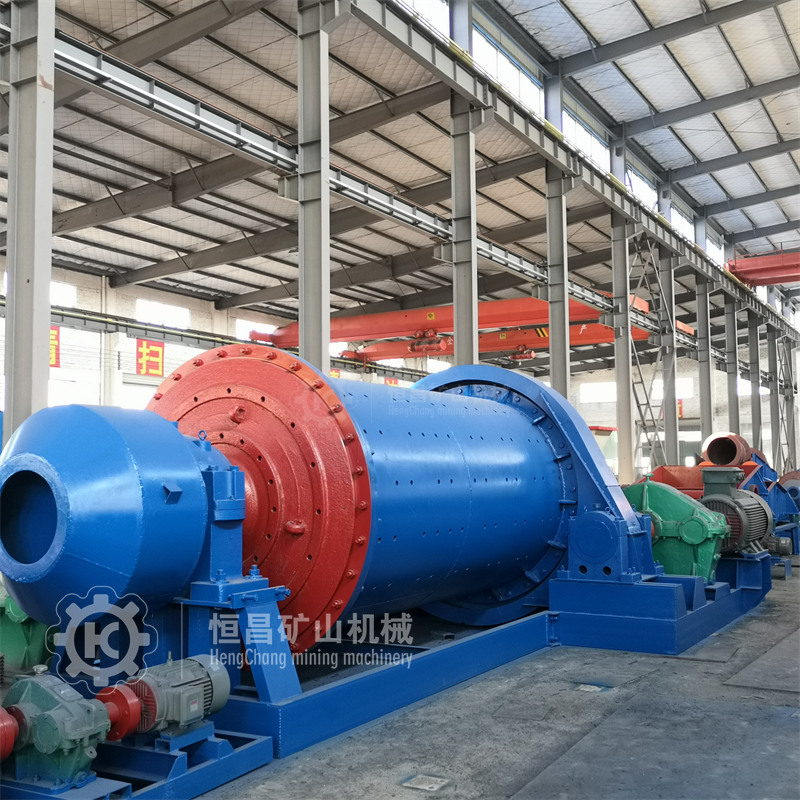
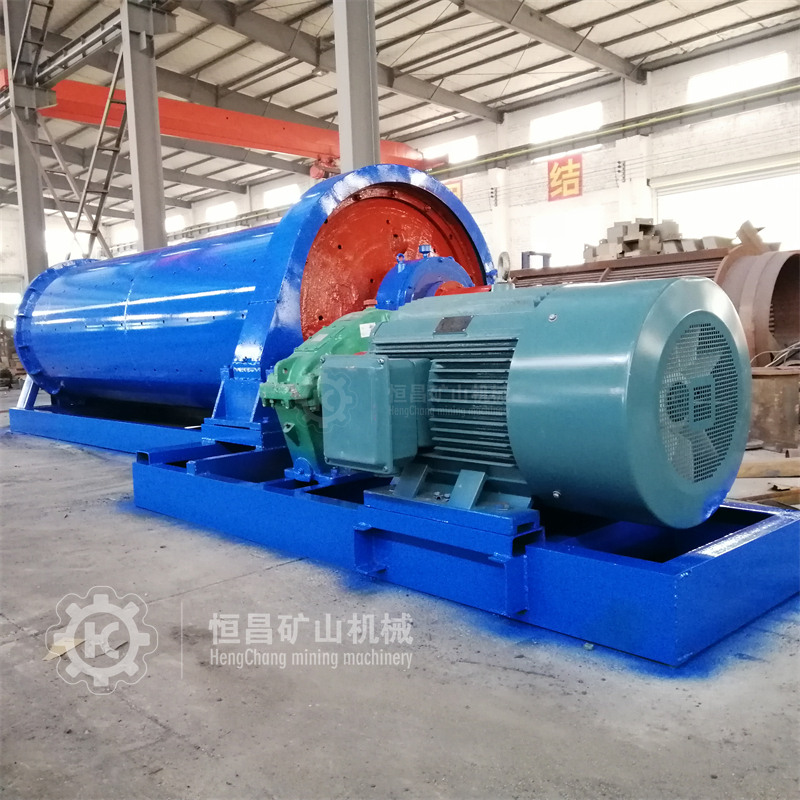
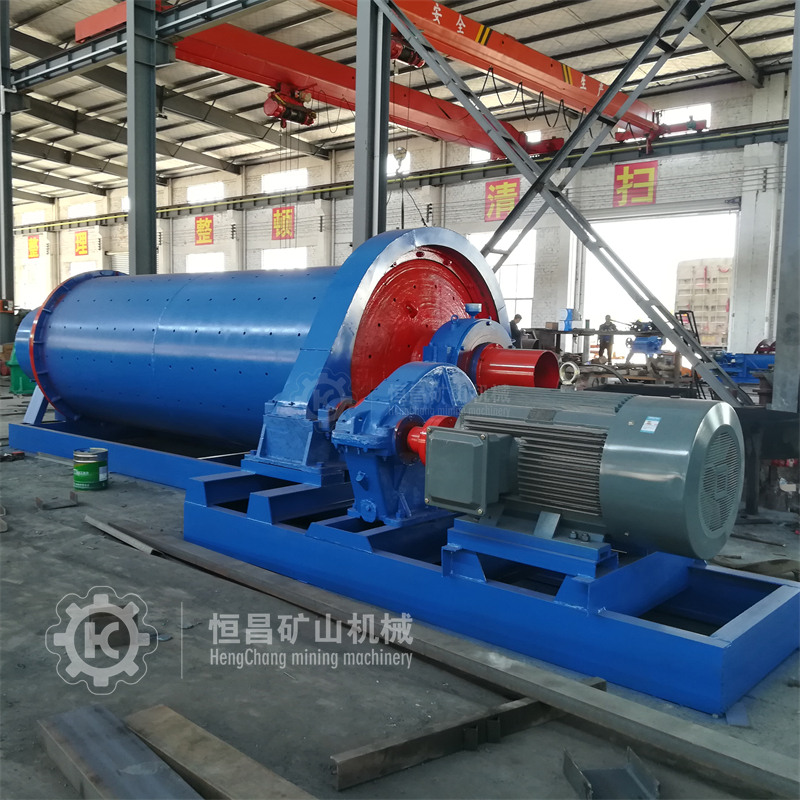
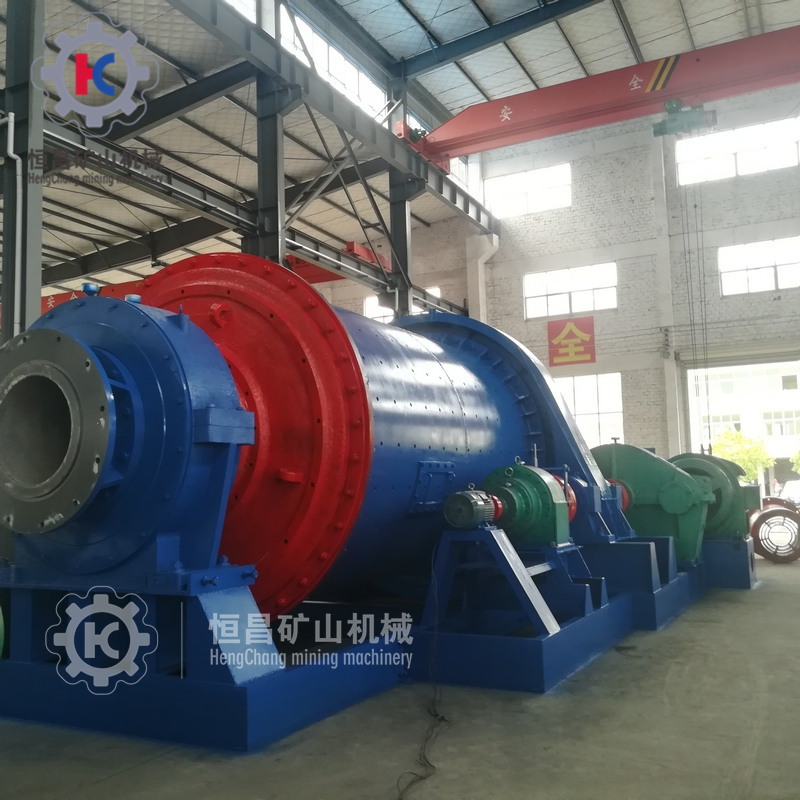
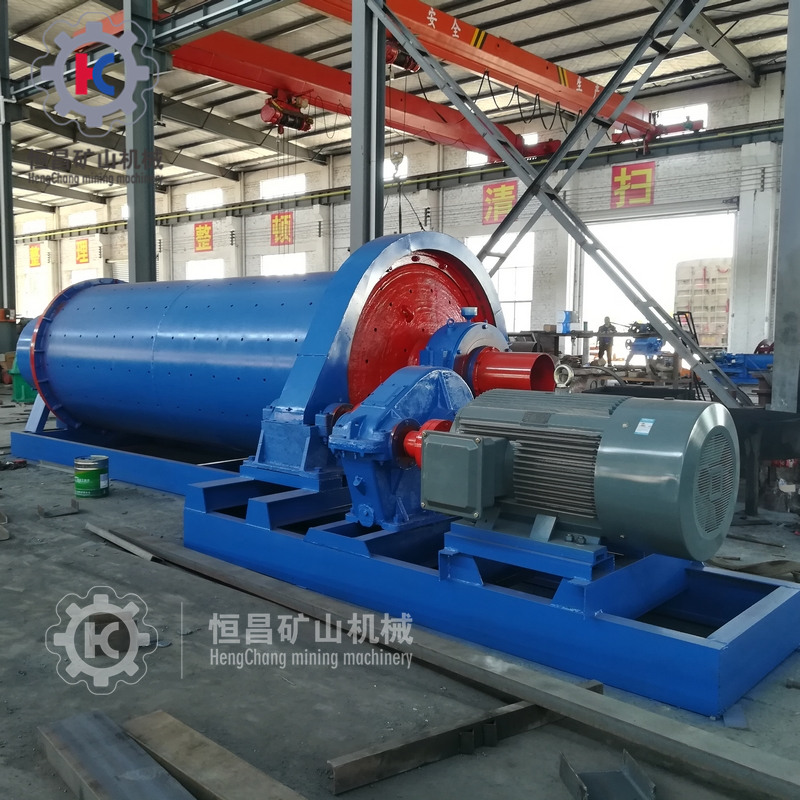
| Ball mill | $20,000 – $60,000 | Liberation (if needed) |
| Spiral chute | $2,000 – $8,000 per set | Fine chrome recovery |
| Shaking table | $2,000 – $5,000 per deck | Cleaner concentrate |
| Jig separator | $5,000 – $20,000 | Coarse gravity separation |
| Magnetic separator | $5,000 – $20,000 | Iron removal |
| Classifier | $3,000 – $10,000 | Particle size control |
| Thickener | $8,000 – $25,000 | Tailings dewatering |
| Filter press | $5,000 – $20,000 | Concentrate drying |
| Slurry pumps | $1,000 – $5,000 each | Transfer |
| Conveyors | $2,000 – $8,000 each | Material handling |
| Control panel, cables, pipes | $5,000 – $15,000 | Electrical and piping |
| Total equipment | $80,000 – $250,000 | Complete line |
If your ore is simple alluvial chrome, you can skip the ball mill and magnetic separator. That drops equipment cost to maybe $80,000–$140,000. If you have fine-grained hard rock chrome, you'll need grinding and more gravity stages, pushing equipment to $200,000+.
This is where Jiangxi Hengchang Mining Machinery Equipment can help. They build complete 250 TPD chrome ore processing lines—crushers, screens, spiral chutes, shaking tables, jigs, thickeners, and pumps. The key is to test your ore first, then design the flowsheet. Don't buy a "standard" plant that doesn't fit your ore.
Domestic Success Case: 250 TPD Chrome Plant in Gansu, China
A chrome ore processing plant in Gansu, China, runs at 250 TPD. The ore is hard rock with Cr2O3 around 18–22%. The original plant used a simple jaw crusher and shaking tables. Recovery was low—lots of fine chrome lost in tailings.
They upgraded to a full gravity circuit:
Jaw crusher + cone crusherBall mill for liberation
Spiral chutes for fine fraction
Shaking tables for cleaning
Thickener + filter press for water recycling
After the upgrade, reported recovery improved to around 75–80%. The plant now produces a concentrate around 40–42% Cr2O3. Operating cost is mainly power and labor—no reagents. Payback was reported in under two years.
Much of the crushing and gravity separation equipment came from Jiangxi Hengchang Mining Machinery Equipment. The modular design made installation faster and spare parts easy to source.
International Success Case: 250 TPD Chrome Washing Plant in Zimbabwe
In Zimbabwe's Great Dyke region, a 250 TPD chrome washing and gravity plant treats alluvial and weathered chrome ore. Feed grade is about 25–30% Cr2O3. The ore has clay, so washing is critical.
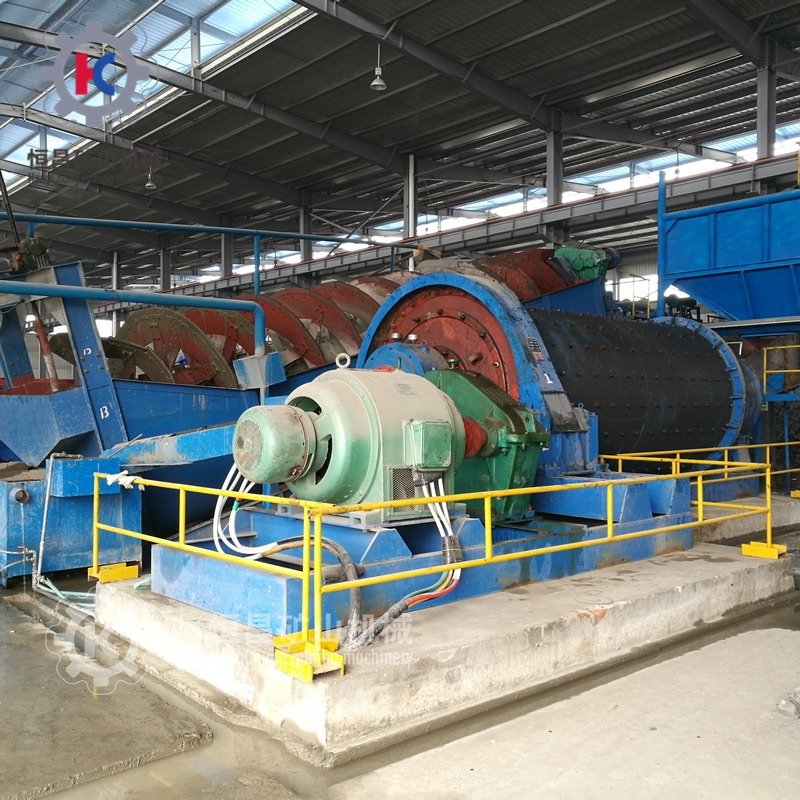
The flowsheet:
Trommel scrubber for washingLog washer for clay breaking
Vibrating screen for sizing
Spiral chutes for 0–2 mm fraction
Shaking tables for 2–5 mm fraction
Dewatering screen + filter press
The plant produces a marketable concentrate of 42–44% Cr2O3. Because gravity separation uses no chemicals, water is recycled and tailings are easy to manage. The operator reported payback in about 14–18 months, depending on chrome prices and feed grade.

Similar 250 TPD chrome plants are running in South Africa, Turkey, and Kazakhstan. In many of these projects, Jiangxi Hengchang Mining Machinery Equipment supplied the core crushing, screening, and gravity separation equipment. The company's ability to customize for different ores is a big reason investors choose them.
Application Scenarios for a 250 TPD Chrome Plant
A 250 TPD plant is flexible. It works for:
Hard rock chrome mines – crush, grind, gravity separate.Alluvial chrome deposits – wash, screen, spiral, table.
Chrome tailings reprocessing – recover value from old dumps.
Small underground mines – central processing hub.
Low-grade stockpiles – upgrade waste to saleable concentrate.
If you have 250 tons per day of feed, you have a real business. If you have less, you can still start with 100 TPD and scale up. But 250 TPD is a good balance between investment and output.
Fast Payback Guide: How to Make Your Money Back Faster
Payback isn't just about plant cost. It's about revenue minus operating cost. Here's a simple way to think about it.
Assume:
Feed: 250 TPDFeed grade: 25% Cr2O3
Recovery: 75%
Concentrate grade: 42% Cr2O3
Chrome concentrate price: $200–$300 per tonne
Daily concentrate = 250 × 25% × 75% ÷ 42% = about 111 tonnes. But that's a high-grade scenario. With 20% feed and 70% recovery, you might get 80–90 tonnes. Reality is often 60–100 tonnes per day.
Revenue at $250/tonne for 80 tonnes = $20,000/day. Operating cost (power, labor, maintenance, feed) might be $5,000–$10,000/day. That leaves $10,000–$15,000/day gross cash flow. On a $300,000 investment, payback can be months—if everything runs smoothly.
But be careful. Ramp-up, market price swings, mining cost, and downtime can slow payback. A realistic payback for a well-run 250 TPD chrome plant is often 12–24 months. Some do better, some do worse. The difference is ore testing, equipment quality, and operating discipline.
To speed up payback:
Test your ore before buying equipment.Choose the right flowsheet—don't over-grind or over-complicate.
Buy reliable equipment from a manufacturer like Jiangxi Hengchang Mining Machinery Equipment.
Recycle water to cut costs.
Train your operators.
Keep spare parts on hand.
Final Thoughts: What Should You Do Next?
A 250 TPD chrome ore processing plant is a solid investment. Total cost usually falls between $150,000 and $500,000. Equipment alone runs $80,000–$250,000. The rest goes to civil works, power, water, tailings, and working capital.
The biggest mistake is buying equipment before testing your ore. Chrome ore is not all the same. Clay content, liberation size, and grade change the flowsheet completely.
If you want a reliable partner, look at Jiangxi Hengchang Mining Machinery Equipment. They offer complete chrome ore processing solutions—from ore testing to flowsheet design to equipment manufacturing and installation. They've worked on projects in China, Africa, Southeast Asia, and beyond.
Get your ore tested. Get a real quote. Then build a plant that pays for itself. That's how you win in chrome.
SEO keywords used naturally: 250 TPD chrome ore processing plant cost, chrome ore processing plant investment, chrome ore processing equipment price, 250 TPD chrome washing plant, chrome gravity separation plant, Jiangxi Hengchang Mining Machinery Equipment, chrome ore processing plant payback.