Chinese


500-Ton Tungsten Ore Production Line Equipment Configuration: Avoid Costly Mistakes in Crushers, Jigs, Shaking Tables, and Dewatering Systems for Higher Recovery
If you're planning a 500-ton per day (TPD) tungsten ore production line, the flowsheet looks simple on paper: crush, grind, gravity separate, dewater. But the difference between a plant that recovers 75% and one that recovers 88% often comes down to equipment configuration details—crusher chamber, jig stroke, table slope, thickener size. Get them wrong, and you're not just losing tungsten; you're burning diesel, water, and labor.
This article breaks down a practical 500 TPD tungsten ore processing plant, the mistakes that cost real money, and how to configure crushers, jigs, shaking tables, and dewatering systems for higher recovery. We'll also share domestic and international cases, with equipment from Jiangxi Hengchang Mining Machinery Equipment.
Why 500 TPD Is a Sweet Spot—and a Trap
500 tons per day is a common size for tungsten mines. Big enough to justify proper equipment, small enough that every wrong decision shows up fast in the cost per ton. The trap? Copying a 100 TPD flowsheet and scaling it up. Or buying a 1,000 TPD design and running it half-empty. Both kill efficiency.
Tungsten ore—whether wolframite, scheelite, or mixed—is brittle. Over-crush it, and you create slime that gravity separation can't recover. Under-grind it, and the tungsten stays locked in gangue. The whole plant lives or dies on particle size control.
First, Know Your Ore Before You Buy Equipment
No two tungsten ores behave the same. A 500 TPD plant in Jiangxi may need jigs for coarse wolframite. A similar plant in Bolivia may need shaking tables for fine wolframite with tin. Before you pick a crusher or jig, run a mineralogy test and a gravity recovery test. Ask: What's the liberation size? How much slime is already in the feed? Is there sulfide that needs flotation first?
If your equipment supplier doesn't ask these questions, that's a red flag. Jiangxi Hengchang Mining Machinery Equipment, for example, usually starts with ore testing before recommending a flowsheet. That step alone prevents a lot of expensive mistakes.
Crushing: Don't Turn Your Tungsten Into Slime
For 500 TPD tungsten ore, the crushing circuit should be a two- or three-stage job: jaw crusher for primary, cone crusher for secondary and tertiary, plus a vibrating screen. The goal is to reduce run-of-mine to about 10–15 mm before grinding.
Common costly mistakes:
Using a hammer crusher because it's cheap. Hammer crushers over-crush brittle tungsten and create fines.Setting the cone crusher CSS too tight. You get more fines, not more liberation.
Skipping the screen. If you feed unscreened ore to the mill, you're grinding rock that's already fine—wasting power and making slime.
A better setup: jaw crusher → cone crusher → vibrating screen with a closed circuit. The screen sends oversize back to the cone. This keeps the feed to the ball mill consistent and reduces slime. In a 500 TPD wolframite project in Ganzhou, Jiangxi, replacing a hammer crusher with a cone crusher and adding a screen cut slime generation by roughly 20% and improved gravity recovery downstream. The plant used Hengchang jaw and cone crushers.
Grinding and Classification: The Hidden Recovery Killer
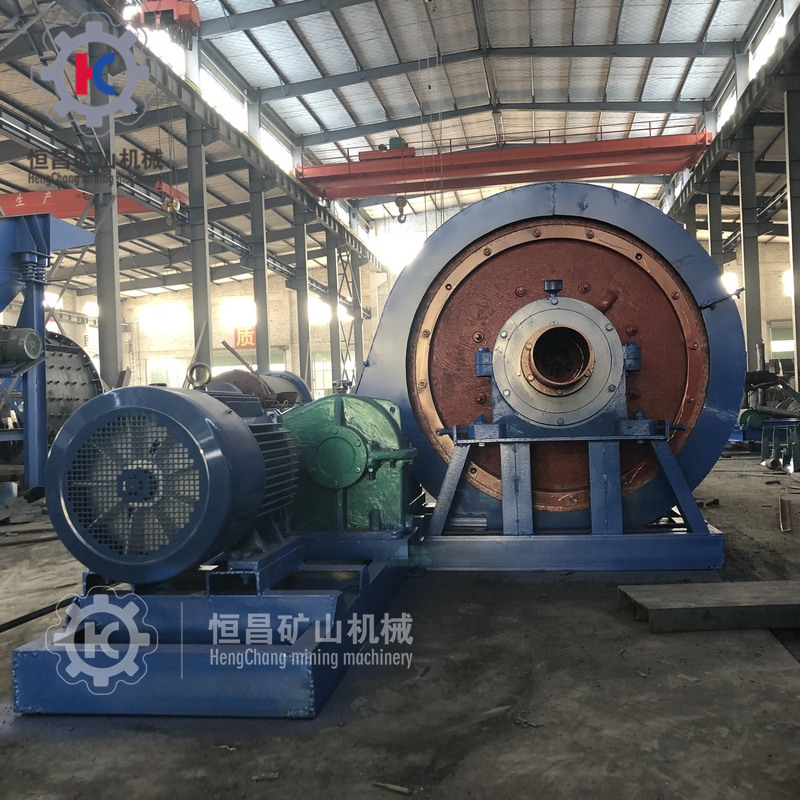
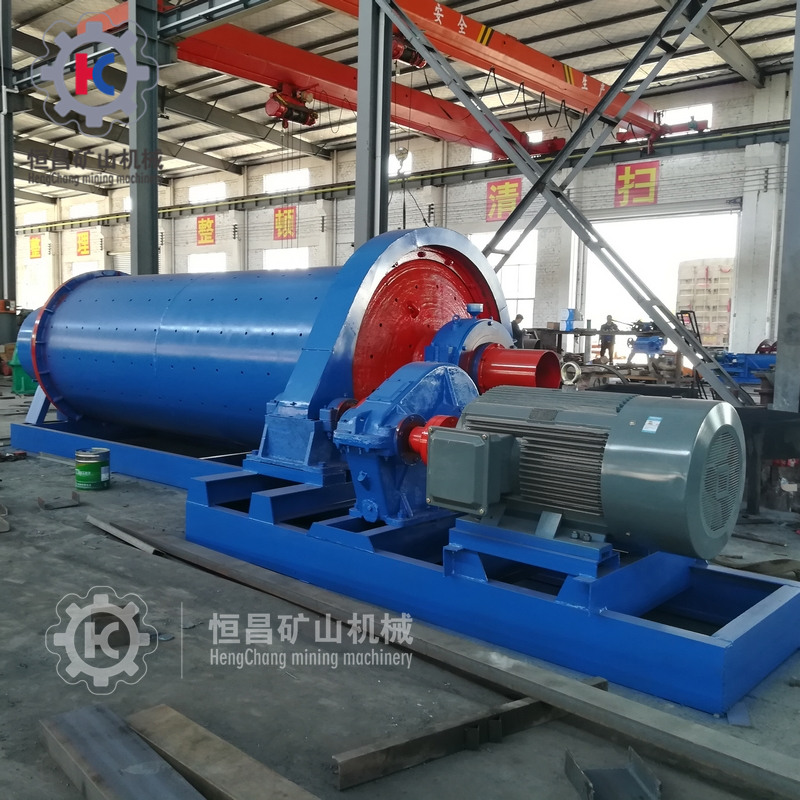
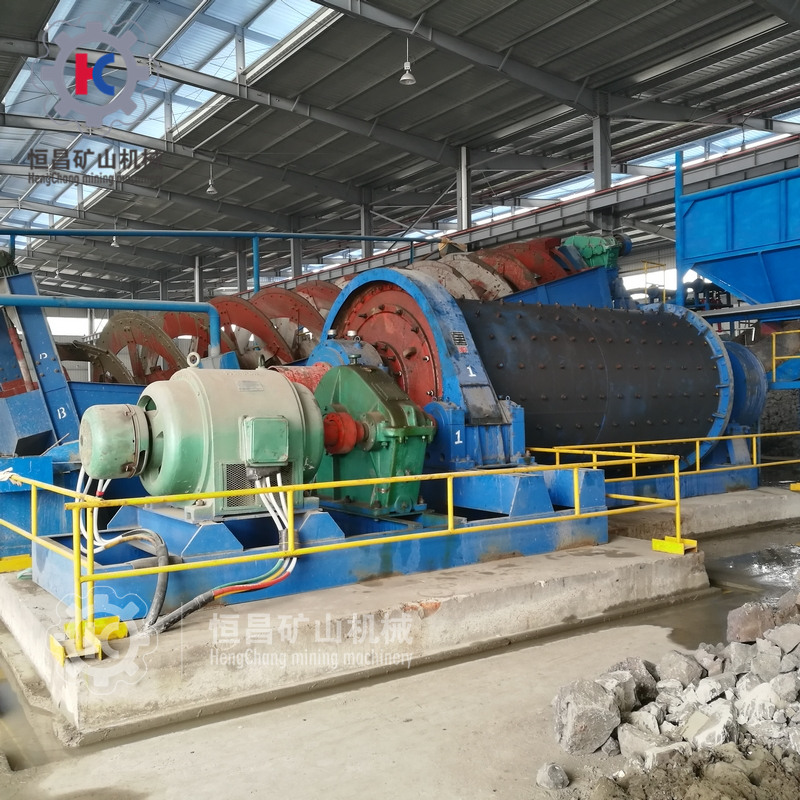
You'll usually see a ball mill paired with a spiral classifier or hydrocyclone. For tungsten, the target grind is often 0.5–2 mm for coarse gravity separation, with a finer grind for slime tables. The mistake is grinding everything to 200 mesh. That's fine for flotation, but for gravity, it's a disaster—fine tungsten particles are hard to recover and easy to lose.
Instead, use a two-stage grind or a classification system that pulls out coarse tungsten early. A jig can take 0–30 mm. A shaking table likes 0.037–2 mm. If you send 5 mm particles to a shaking table, they'll roll right off. If you send 0.01 mm slime to a jig, it'll wash away.
Hengchang's ball mills and spiral classifiers are often configured to match the jig and table feed sizes. That's not just about selling equipment—it's about matching the whole plant.
Jigs: For Coarse and Medium Tungsten, Not for Everything
Jigs are workhorses for coarse tungsten. They handle feed up to 30 mm and recover particles down to about 0.5 mm. But they're not magic. Mistakes include:
Feeding too much fine material. Jigs need a bed. Slime kills the bed.Uneven water flow. If the jig's stroke and water pulse are off, heavy minerals won't separate.
Running a jig without a screen deck suited to your ore. Too coarse a deck, and you lose fine tungsten; too fine, and the bed clogs.
For a 500 TPD plant, a 2-cell or 4-cell jig is common. In a 500 TPD tungsten-tin project in Nigeria, Hengchang jigs recovered coarse wolframite and cassiterite before the material went to shaking tables. The jig concentrate graded high enough to sell directly, while the table handled the fines. That two-stage gravity setup is a classic way to boost overall recovery.
Shaking Tables: Fine Tungsten's Best Friend—If Fed Right
Shaking tables are the go-to for fine tungsten. They can recover particles from about 2 mm down to 0.037 mm. But they're sensitive. If your feed is too coarse, too thin, or not classified, you'll see tungsten walking off in the tailings.
Key mistakes:
Feeding unclassified material. Tables want a narrow size range. Use a hydrocyclone or classifier to split into sand and slime fractions.Wrong table slope and stroke. Every ore is different. A table that works for tin may need adjustment for tungsten.
Too much water. Tables need a thin film, not a river.
No de-sliming. Slime coats the table deck and ruins separation.
In a 500 TPD wolframite plant in Bolivia, the operator was losing fine tungsten in the tailings. After adding a Hengchang shaking table with a smaller deck and adjusting the stroke, recovery of fine wolframite increased noticeably. The key was matching the table to the ore's size fraction, not just buying a bigger table.
Dewatering: The Part Everyone Forgets
You've crushed, ground, jigged, and tabled. Now you have concentrate and tailings. If your dewatering system is undersized, you'll have water everywhere, pumps running dry, and concentrate too wet to sell.
A 500 TPD tungsten plant needs:
A thickener for tailings and concentrate. Size it for the actual tonnage, not a guess.A filter press for concentrate. Plate-and-frame filter presses are common. Make sure the filter cloth matches your particle size.
A clean water recycling system. Tungsten plants use a lot of water. Recycling cuts costs and keeps you compliant.
Mistakes:
Thickener too small. You get overflow with solids, and you lose tungsten.No flocculant dosing. Fine tungsten slime settles slowly. A proper flocculant system speeds settling and improves water clarity.
Ignoring water balance. If you don't recycle, you're paying for fresh water and paying to treat tailings.
Hengchang's dewatering systems—thickeners, filter presses, and water recycling—are often paired with their gravity equipment. That integration matters. A jig that recovers 90% of coarse tungsten is useless if the thickener overflows and sends it back to the tailings pond.
A Practical 500-TPD Tungsten Flowsheet
Here's a configuration that works for many wolframite ores:
| Stage | Equipment | Notes |
|---|---|---|
| Feeding | Vibrating feeder | Control feed rate |
| Primary crushing | Jaw crusher | 500 TPD capacity |
| Secondary crushing | Cone crusher | Closed circuit with screen |
| Screening | Vibrating screen | 10–15 mm cutoff |
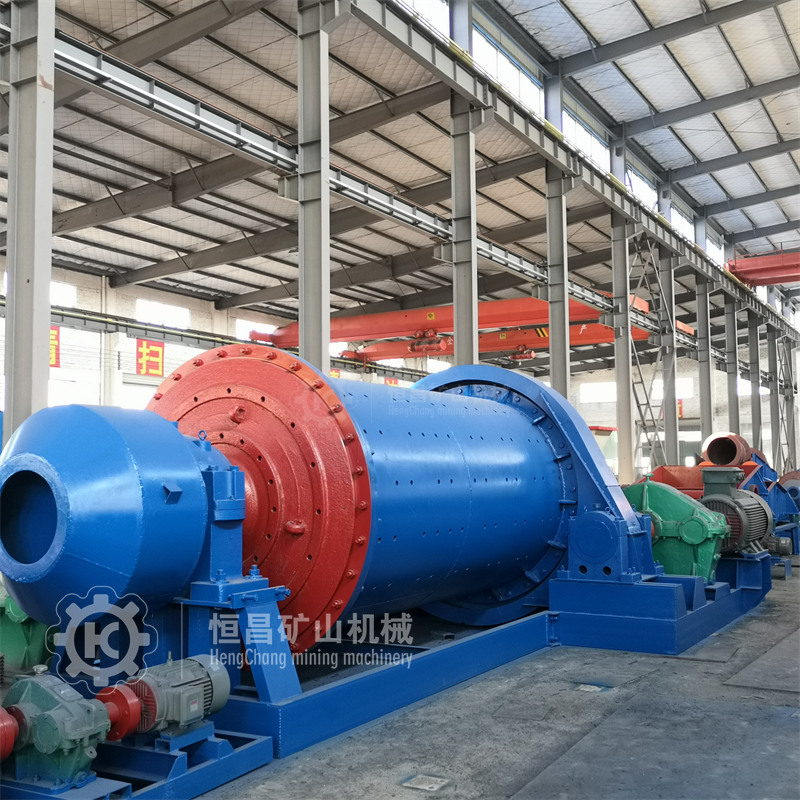
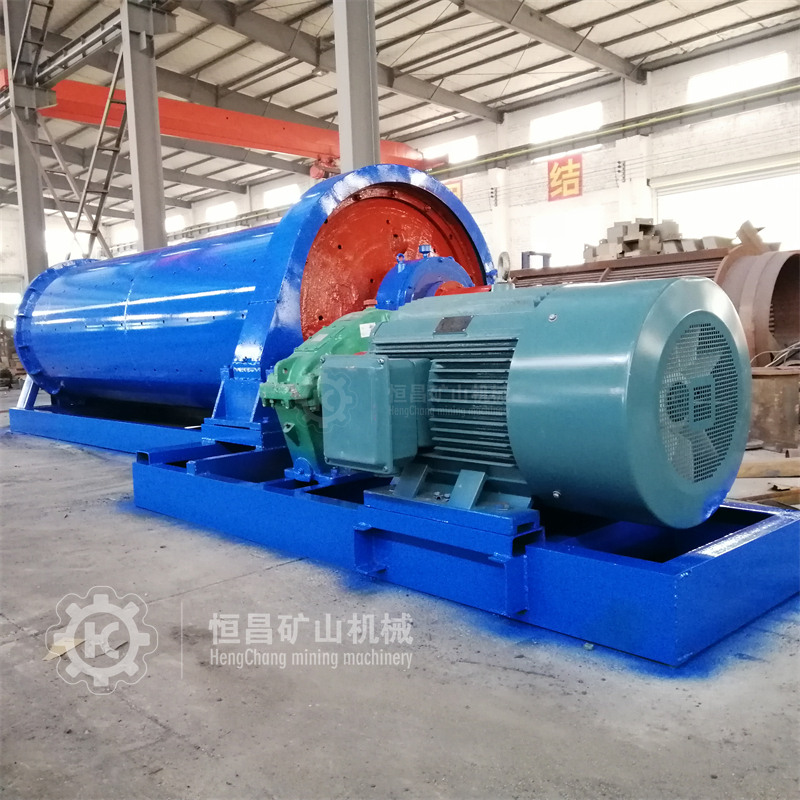
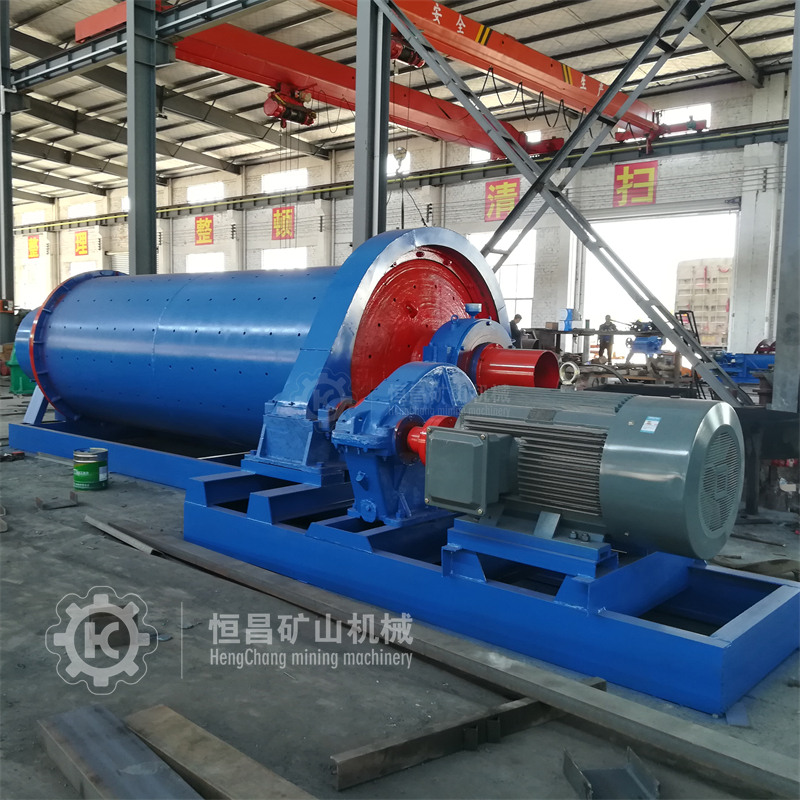
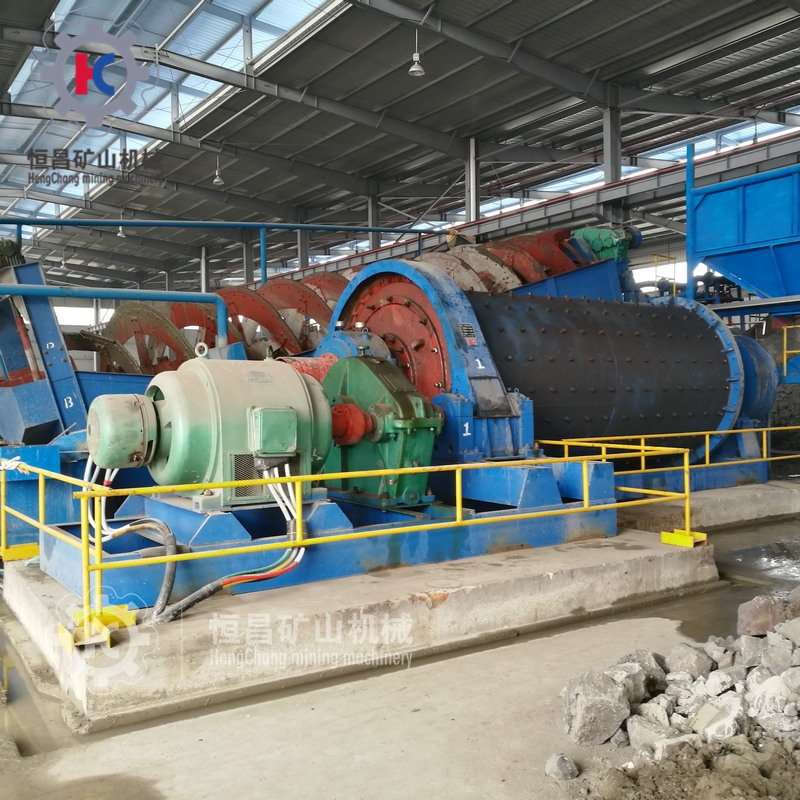
| Grinding | Ball mill | Match to liberation size |
| Classification | Spiral classifier / hydrocyclone | Split sand and slime |
| Coarse gravity | Jig | 0–30 mm feed |
| Fine gravity | Shaking table | 0.037–2 mm feed |
| Tailings dewatering | Thickener | Size for 500 TPD |
| Concentrate dewatering | Filter press | Low moisture concentrate |
| Water recycling | Thickener overflow + pump | Reduce fresh water use |
This isn't a one-size-fits-all. But it's a solid starting point. Adjust based on your ore test.
Domestic and International Success Cases
In China, a 500 TPD wolframite plant in Ganzhou, Jiangxi, was struggling with low recovery. The circuit had a hammer crusher, an undersized jig, and no proper classification before the tables. After switching to a Hengchang jaw crusher, cone crusher, 4-cell jig, and two shaking tables with a hydrocyclone, the plant reduced slime and improved tungsten recovery. The concentrate grade also became more consistent.
In Nigeria, a 500 TPD tungsten-tin project used Hengchang jigs and shaking tables to recover both metals. The jig handled coarse material, and the tables cleaned up the fines. The plant cut water consumption by recycling thickener overflow.
In Bolivia, a 500 TPD wolframite operation improved fine tungsten recovery by adding a Hengchang shaking table and optimizing the feed classification. The change paid back quickly because fine tungsten was the biggest loss in the old circuit.
These cases share a lesson: it's not about one machine. It's about matching crushers, jigs, tables, and dewatering to the ore.
Common Mistakes to Avoid: A Quick Checklist
No ore test before equipment selection.Over-crushing with a hammer crusher.
Grinding everything to slime.
Feeding a jig with too much fine material.
Running a shaking table without classification.
Undersized thickener or filter press.
No water recycling.
Buying equipment based only on price, not on flowsheet fit.
Final Thoughts
A 500-ton tungsten ore production line can be profitable—or it can bleed money. The difference is usually in the details: crusher selection, jig stroke, table slope, thickener size. Don't guess. Test your ore, size your equipment for the actual feed, and work with a supplier who understands tungsten gravity separation.
Jiangxi Hengchang Mining Machinery Equipment has supplied jaw crushers, cone crushers, jigs, shaking tables, thickeners, and filter presses for tungsten projects in China and overseas. If you're planning a 500 TPD plant, start with the ore, then build the flowsheet around it. That's how you avoid costly mistakes and get higher recovery.