






 Chinese


Complete Guide to 500 TPD Tungsten Ore Processing Line: Equipment Selection, Water Use, Labor Cost, Layout, and Payback Period for Small Mining Investors
If you’re a small mining investor and tungsten is on your radar, a 500 TPD tungsten ore processing line is one of the sweet spots. It’s big enough to make real money, small enough to keep CAPEX and manpower under control.
But the difference between a profitable 500 TPD plant and a money pit often comes down to five things: equipment selection, water use, labor, layout, and payback.
Get them right, and you can sleep at night. Get them wrong, and you’ll be rebuilding your plant before you see profit.
This guide breaks it down in plain English. I’ll also point out where a reliable partner like Jiangxi Hengchang Mining Machinery Equipment fits in—because for small investors, having one supplier who can design, build, and commission the full line saves a lot of headaches.
What Does 500 TPD Really Mean?
500 TPD means 500 tonnes per day. If you run 20 hours, that’s 25 tonnes per hour. If you run 24 hours, it’s about 21 t/h.
Tungsten ore is heavy. Wolframite and scheelite behave differently. Wolframite usually goes through gravity separation and magnetic separation. Scheelite often needs flotation.
Many plants use a combination. So before you buy a single shaking table, test your ore. A 500 TPD tungsten ore processing plant built for wolframite will not perform the same on scheelite.
Equipment Selection for a 500 TPD Tungsten Ore Processing Line
Here’s a practical equipment list for a 500 TPD plant. Exact sizes depend on your feed size, hardness, and tungsten grade.
Crushing and Screening
Jaw crusher PE600×900 – primary crushing.Cone crusher PYB1200 or HPC220 – secondary crushing.
Vibrating screen 2YK1860 – closed-circuit screening.
Belt conveyors – sized for 500 TPD.
If your ore is soft, a hammer crusher may work. But for hard tungsten ore, jaw + cone is safer.
Grinding and Classification
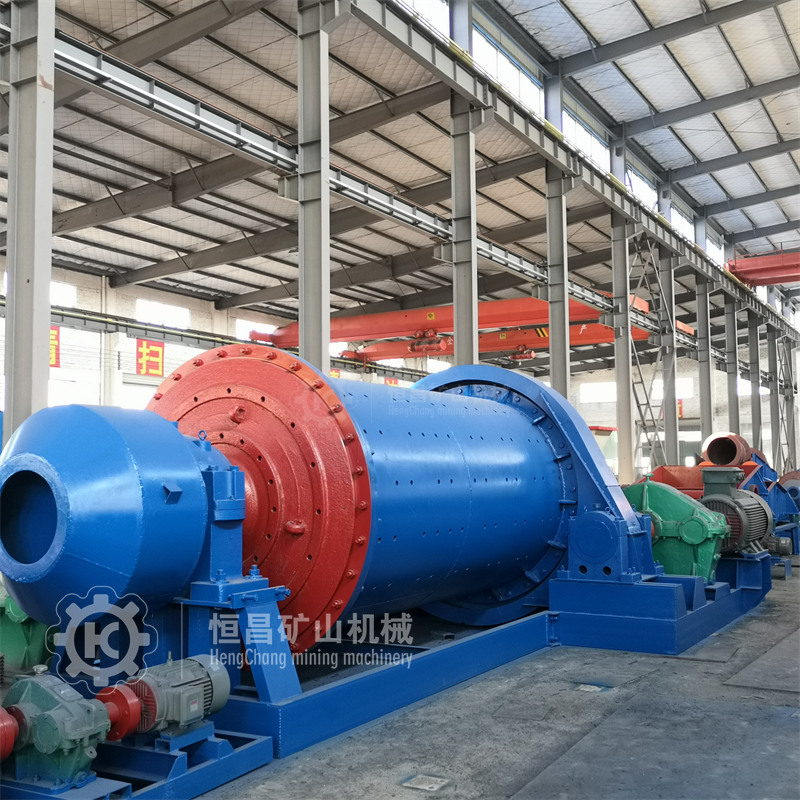
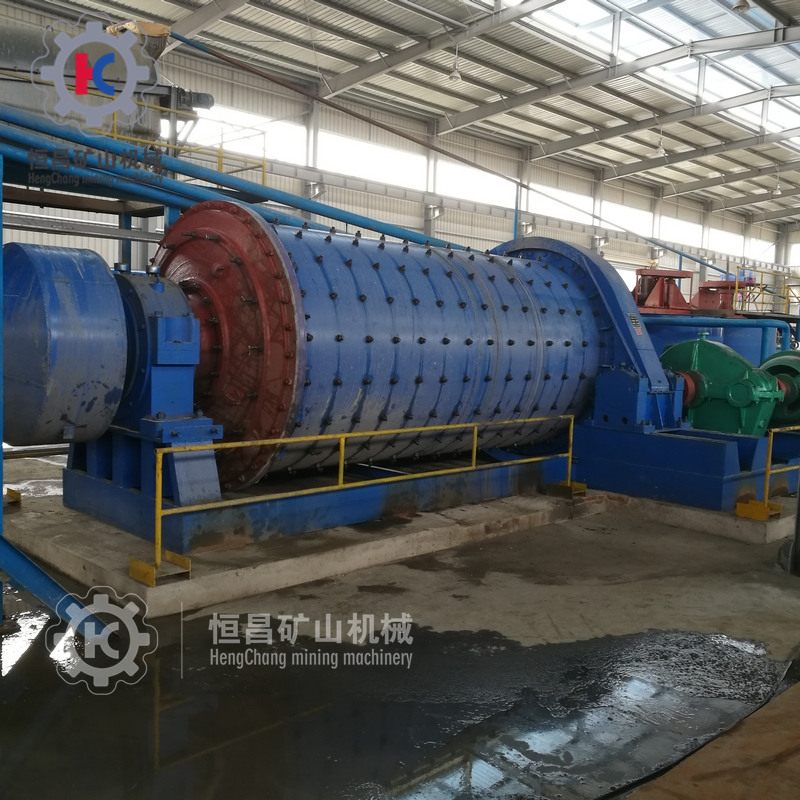
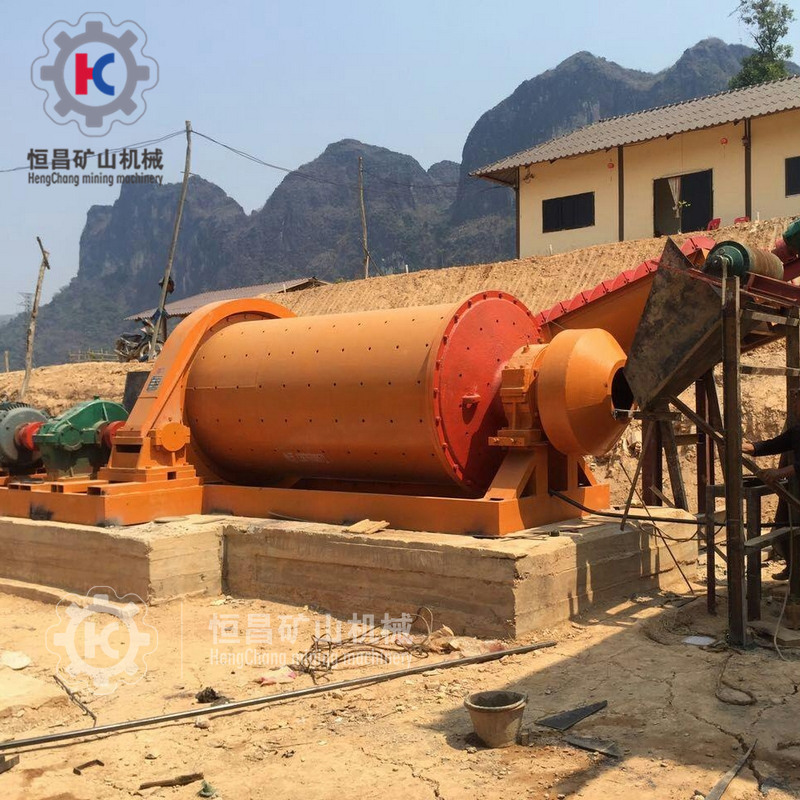
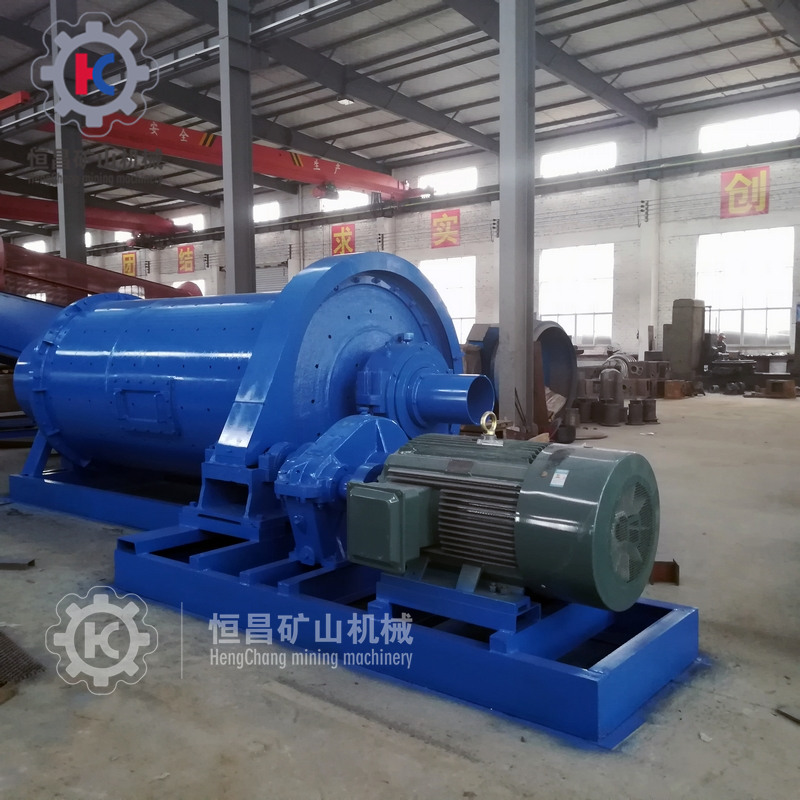
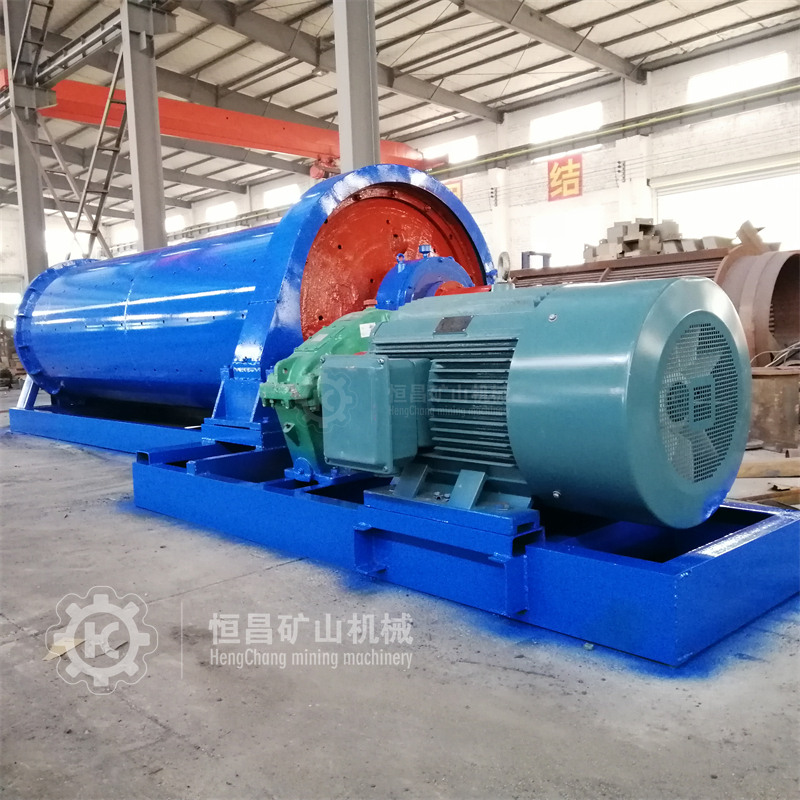
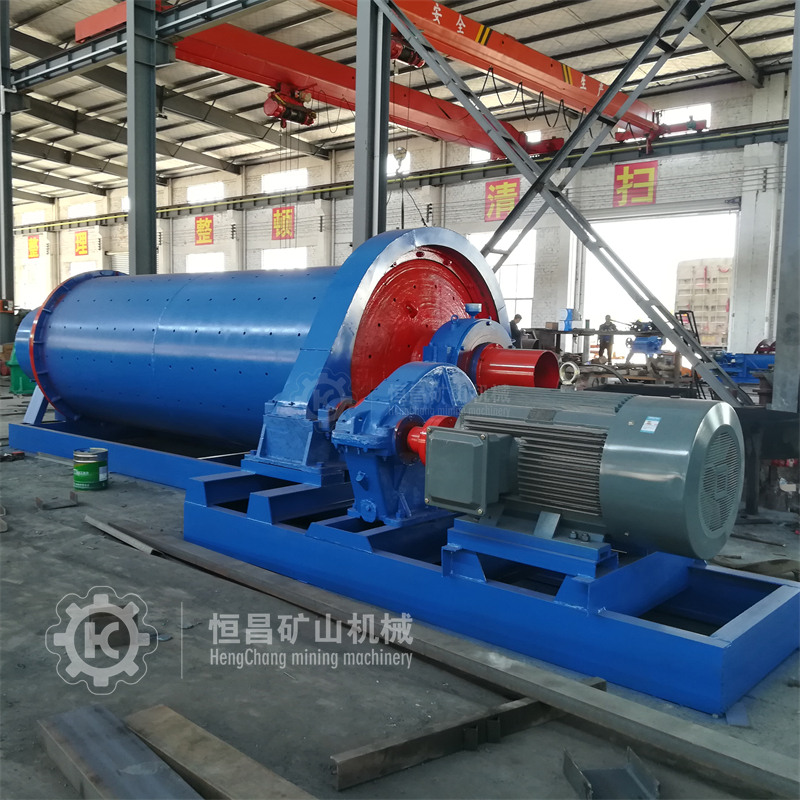
Ball mill φ2100×3000 or φ2400×3000 – depends on grindability.Spiral classifier FG-1200 or hydrocyclone – classification.
Target grind: 0.2–0.074 mm for gravity, finer for flotation.
Don’t oversize the ball mill just to feel safe. Oversized mills eat power and money.
Gravity Separation
Gravity is the backbone for wolframite.
Jig concentrator – for coarse tungsten.Spiral chute – for medium fractions.
Shaking table 6-S – for fine concentrate.
Centrifugal concentrator – for fine recovery.
A 500 TPD line usually runs several 6-S shaking tables in series. The 6-S table is simple, durable, and easy to tune.
Flotation for Scheelite
If your ore is scheelite or mixed, add flotation.
BF or XCF/KYF flotation cells – roughing, cleaning, scavenging.Reagent system – sodium carbonate, sodium silicate, oleic acid, etc.
Flotation circuits need more control and more operator skill. But for fine scheelite, it’s often the only way to get a saleable concentrate.
Magnetic Separation
Wolframite is weakly magnetic. A high-intensity magnetic separator can help separate wolframite from garnet and other gangue.
Dewatering
Thickener – tailings and concentrate.Filter press – concentrate dewatering.
Tailings pond or dry stack – depending on local rules.
Jiangxi Hengchang Mining Machinery Equipment supplies all these machines and can match them into one 500 TPD tungsten ore processing line. That matters because mismatched equipment is one of the biggest reasons small plants fail.
Water Use: Where It Goes and How to Save Money
Water is a hidden cost. A 500 TPD tungsten plant typically uses 80–150 m³/h of process water. If you don’t recycle, you’ll pay for pumps, pipes, and permits forever.
Here’s a realistic water balance:
Grinding and classification: 30–50 m³/hGravity separation: 20–40 m³/h
Flotation: 20–40 m³/h
Washing and dilution: 10–20 m³/h
With a thickener and return water system, you can recycle 70–85%. Makeup water drops to 10–30 m³/h. That’s a big saving.
Use a high-efficiency thickener and a clean water tank. Keep muddy water out of the flotation circuit. Flotation hates clay and oil.
In dry regions, a closed-loop system is not optional. It’s the difference between running and shutting down.
Labor Cost for a 500 TPD Tungsten Plant
A 500 TPD plant is not a one-man show. But it’s also not a 100-person mine.
Typical crew: 15–25 workers.
Crusher and screening: 2–3Grinding and classification: 2–3
Gravity separation: 3–5
Flotation: 2–4
Dewatering: 1–2
Maintenance: 2–3
Lab and assay: 1–2
Supervisor/manager: 1–2
In China, total monthly labor cost may be $8,000–$15,000. In Africa or Latin America, it may be $4,000–$12,000, depending on local wages. Annual labor: $50,000–$150,000.
Automation can cut 2–4 people. But don’t automate everything on day one. First, stabilize the process. Then add PLC controls on crushing and grinding.
Layout: Keep It Simple and Gravity-Friendly
A good 500 TPD tungsten ore processing plant layout follows three rules:
Gravity flow wherever possible.Keep coarse and fine circuits separate.
Leave room for maintenance and expansion.
A practical footprint: 2,000–5,000 m². That includes:
Crushing workshop
Grinding workshop
Gravity separation workshop
Flotation workshop (if needed)
Concentrate dewatering
Tailings thickener
Water tank and pump room
Laboratory and office
Put the crushing plant close to the pit. Put the grinding and gravity sections downhill. Put the tailings thickener at the lowest point. This saves slurry pumps and energy.
Jiangxi Hengchang Mining Machinery Equipment can provide a 3D layout before you pour concrete. That’s much cheaper than moving a ball mill after it’s installed.
Payback Period: The Numbers Small Investors Care About
Let’s use a realistic example. Your feed grade is 0.3% WO₃. Recovery is 75%. Concentrate grade is 65% WO₃.
Daily WO₃ in feed: 500 × 0.3% = 1.5 tonnesDaily WO₃ in concentrate: 1.5 × 75% = 1.125 tonnes
Annual production (300 days): 337.5 tonnes WO₃
Tungsten concentrate price: $18,000–$25,000 per tonne WO₃ (market-dependent)
Annual gross revenue: $6.1M–$8.4M.
CAPEX for a 500 TPD tungsten line:
Equipment: $250,000–$600,000Civil works and steel: $80,000–$200,000
Installation and commissioning: $50,000–$150,000
Permits, lab, misc.: $20,000–$100,000
Total: $400,000–$1,050,000
Operating costs: mining, power, labor, reagents, maintenance, water. Often $2.5M–$4M per year.
Payback is commonly 1.5–3 years when grade is above 0.3% and recovery is above 70%. If grade drops to 0.15%, payback can stretch to 4–6 years. That’s why ore testing is not optional.
Real-World Cases: Domestic and International
Case 1: Ganzhou, Jiangxi, China – 500 TPD Wolframite Plant
A small investor built a 500 TPD wolframite plant in Ganzhou. Feed grade was 0.28% WO₃. The flow was jaw crusher + cone crusher + ball mill + jig + shaking tables + high-intensity magnetic separator.
They used Jiangxi Hengchang Mining Machinery Equipment for the full line. Results:
Recovery: 78%Concentrate grade: 65% WO₃
Water recycling: 80%
Labor: 18 workers
Payback: 22 months
The key was simple gravity circuit and good water recycling. No fancy automation in year one.
Case 2: Bolivia – 500 TPD Tungsten Tailings Reprocessing
An international project in Bolivia reprocessed old tungsten tailings at 500 TPD. Feed grade was lower, about 0.18% WO₃, but the material was already fine.
The plant used spiral chutes, shaking tables, and a small flotation circuit. Equipment included Jiangxi Hengchang ball mill, spiral classifier, and 6-S tables.
Recovery: 70%Concentrate grade: 62% WO₃
Labor: 20 workers
Payback: 28 months
This case shows that tailings can be profitable if you keep CAPEX low and water recycling high.
Why Jiangxi Hengchang Mining Machinery Equipment?
For small mining investors, the supplier matters as much as the equipment. Jiangxi Hengchang Mining Machinery Equipment has been building mineral processing equipment for years. They offer:
Ore testing and process designComplete 500 TPD tungsten ore processing line
Gravity, flotation, magnetic, and dewatering equipment
Layout drawings and installation guidance
After-sales support
They are not the only supplier, but they are a practical choice when you want one team to handle the full flow.
Final Takeaway
A 500 TPD tungsten ore processing line is a solid size for small investors. Here’s your cheat sheet:
Throughput: 21–25 t/hEquipment: jaw + cone crusher, ball mill, spiral classifier, jig, shaking table, flotation if needed
Water: 80–150 m³/h, recycle 70–85%
Labor: 15–25 workers
Layout: 2,000–5,000 m², gravity flow, room to expand
Payback: 1.5–3 years with good grade and recovery
Start with a proper ore test. Then design the flow. Then buy equipment from a supplier who understands tungsten, not just generic crushers.
If you do that, a 500 TPD tungsten plant can be a reliable business—not a gamble.
For small investors, the winning formula is simple: test the ore, recycle the water, keep the layout simple, and work with a partner like Jiangxi Hengchang Mining Machinery Equipment to build it right the first time.
Previous: 250 TPD Chromite Ore Processin
Next: None


