Chinese


JXSC Congo STL Centrifuge 20TPH Gold Recovery Plant Working Site Case
Introduction: Why This Case Matters
If you’re in the gold mining business—especially in Africa—you know the struggle. You’ve got good ore, but you need a setup that’s actually reliable. Something that works day in, day out, without falling apart or costing you a fortune in repairs.
This article walks you through one of our most popular real-world installations: the JXSC STL Centrifuge 20TPH Gold Recovery Plant operating in the Democratic Republic of Congo.
We’ll cover the equipment, how it works, what it’s good for, and the daily realities of running it. No fluff. Just practical, useful information for mine owners, buyers, and technicians.
Equipment Overview: What’s in the Plant?
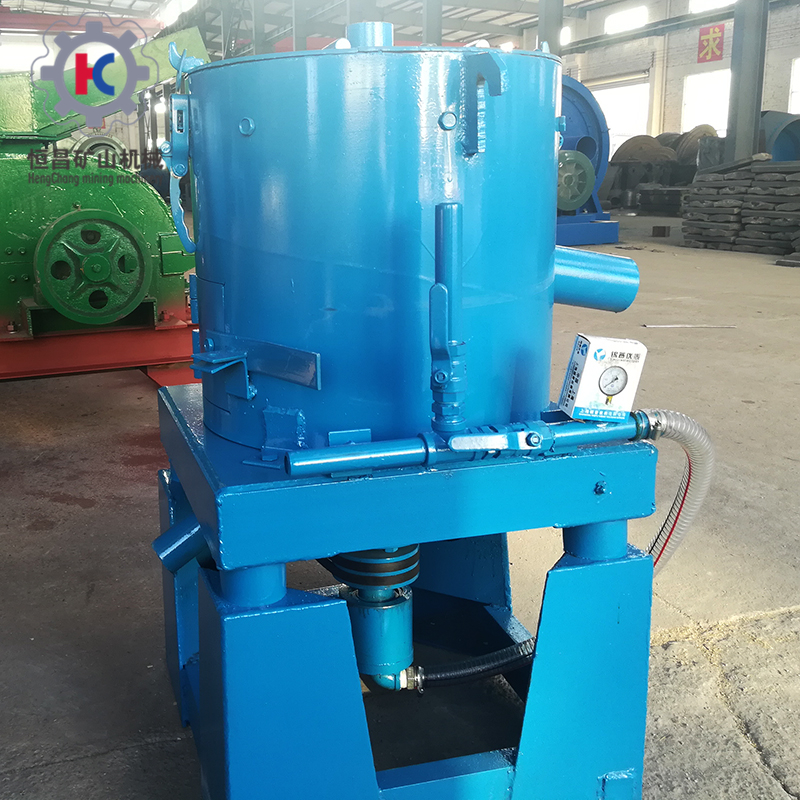
Let’s start with the basics. This plant is built around the STL Centrifuge, a high-efficiency gravity concentrator designed for alluvial and hard rock gold recovery.
Key components:
STL Centrifuge (20TPH capacity) – the heart of the systemFeed hopper and vibrating feeder
Water pump and spray system
Sluice box or shaking table for final concentrate cleaning
Control panel for easy adjustments
The whole setup is designed to be portable and modular. You can move it between sites if needed. That’s a big deal for African miners who often work in remote, changing locations.
Real-World Case: Congo (DRC)
Congo is one of the richest gold regions in Africa, but it comes with challenges: remote access, limited infrastructure, and often high clay content in the ore. We installed this plant near the city of Kisangani.
The site conditions:
Alluvial gold deposit with moderate clayFeed grade: about 0.5–1 gram per ton
Water source available (river nearby)
Power from a diesel generator
Results after 3 months:
Recovery rate: 85–92% for free goldDaily production: around 200–300 grams of concentrate
Operation: 1–2 operators per shift, no special training needed
Uptime: +95% (excluding scheduled maintenance)
The mine owner was skeptical at first—some Chinese brands don’t hold up here. But JXSC’s build quality changed his mind.
How the STL Centrifuge Works (Simple Explanation)
Think of it like a super-powered spin dryer. But instead of drying clothes, it separates gold from sand and gravel.
Step-by-step:
The centrifuge drum rotates at high speed (up to 800 RPM).Water is sprayed into the drum, creating a fluidized bed.
Ore slurry enters the drum. Heavier particles (gold, heavy minerals) are forced to the walls.
Lighter materials (sand, clay) are washed out.
The heavy concentrate is collected in the rifled rings inside the drum.
After 4–6 hours of operation, you stop the machine, open it, and wash out the concentrate.
No chemicals. No mercury. Just gravity and water.
Structure Features: Built for African Conditions
Rugged frame:
Heavy-duty steel, welded properlyPowder-coated to resist rust in humid climates
Easy access:
Quick-release top cover for cleaningNo special tools required for routine maintenance
Water-efficient:
Recycles most of the waterIdeal for areas with limited water supply
Low power consumption:
Only about 5.5 kW for the 20TPH modelWorks well with small generators
What Ores Can This Plant Handle?
The STL Centrifuge is versatile. It’s not a one-trick pony.
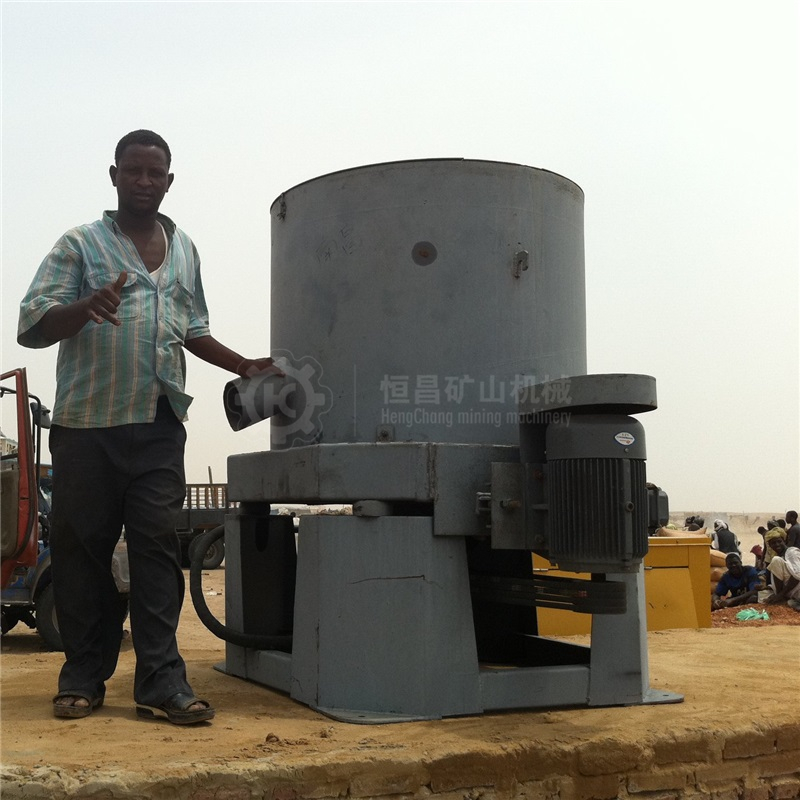
Best suited for:
Alluvial gold deposits (rivers, beaches, old riverbeds)Hard rock gold (after crushing and grinding to <5mm)
Placer gold with heavy clay
Tailings re-processing (old mine waste)
Fine gold particles (down to 20 microns)
Not recommended for:
Ores with very high sulfide content (you need flotation for that)Extremely sticky clay without a pre-washing stage
Sub-micron or refractory gold (needs chemical leaching)
Key Advantages of This System
1. High recovery for free gold – 85–92% is realistic. 2. Low operating cost – No chemicals, simple mechanics. 3. Portable – Can be truck-mounted or skid-mounted. 4. Easy to operate – One person can learn in a day. 5. Low maintenance – Replaceable wear parts, no complex electronics. 6. Fast payback – Most clients see ROI in 3–6 months.
Processing Capacity: Numbers That Matter
Model STL-20 – 20 tons per hour (feed)Drum capacity – Holds about 20–30 kg of concentrate per run
Run time – 4–6 hours before cleaning
Cleaning time – 15–30 minutes
Daily production – 80–120 tons of feed, yielding 200–500 grams of gold (depending on grade)
Real talk: these numbers vary with ore type and water pressure. But they’re solid for planning.
Daily Operation & Maintenance Tips
Starting the day:
Check water pressure (ideal: 2–3 bar)Inspect rubber parts for wear
Test the drum rotation sound
During operation:
Monitor feed rate (don’t overload)Watch the water spray pattern
Listen for unusual vibration
End of shift:
Flush the drum with clean waterRemove and weigh the concentrate
Check for any loose bolts or leaks
Weekly:
Grease bearings (every 100 operating hours)Inspect the drive belt tension
Clean the spray nozzles
Monthly:
Full inspection of the drum rifling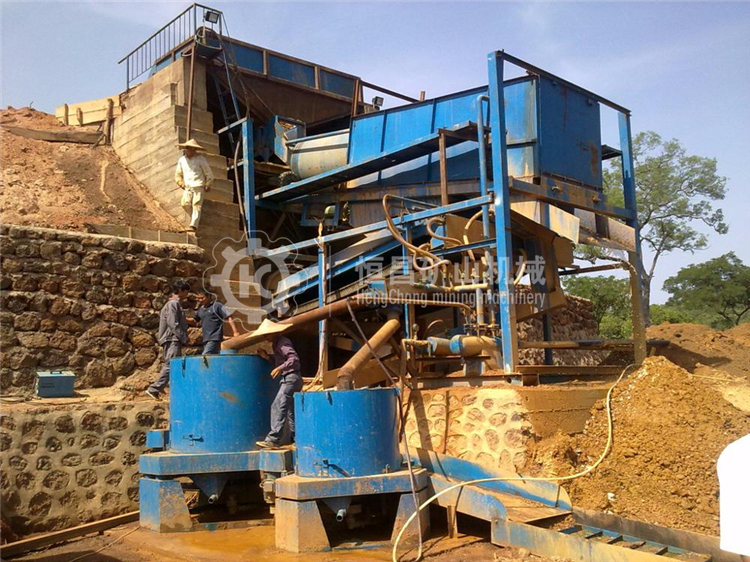
Check electrical connections
Comparison: Centrifuge vs Other Gold Recovery Equipment
| Feature | STL Centrifuge | Sluice Box | Shaking Table | Trommel |
|---|---|---|---|---|
| Recovery rate | 85–92% | 50–70% | 90–95% (on fine gold) | 40–60% |
| Throughput (TPH) | 20–100 | 10–100+ | 1–5 | 20–200+ |
| Water usage | Medium | High | Low | High |
| Power consumption | Low | None | Low | Medium |
| Portability | High | High | Medium | Medium |
| Operator skill needed | Low | Very low | Medium | Low |
| Best for | Fine and coarse gold | Coarse gold only | Fine gold | Heavy clay |
Verdict: The centrifuge offers the best balance of recovery, throughput, and ease of use for most African operations. Sluices are cheaper but lose gold. Shaking tables are more precise but much slower.
Application Scenarios Summary
Where this plant works best:
Remote alluvial mining – No electricity grid? No problem. Use a generator.Small to medium-scale operations – Perfect for groups of 5–15 miners.
Test mining – Use the 20TPH unit to prove a deposit before scaling up.
Tailings re-processing – Recover gold left behind by older technology.
Training sites – Easy enough for teaching new miners.
Final Thoughts: Practical Advice for Buyers
Before you buy:
Test your ore first. Send a 50kg sample to JXSC. We’ll run it and tell you the recovery rate.Consider your water source. You need at least 10–15 cubic meters per hour for the 20TPH model.
Plan for concentrate cleaning. You’ll need a small shaking table or a manual pan.
After you buy:
Get spare parts upfront: rubber liners, spray nozzles, and bearings.Train your operators well. It takes one day, but they’ll save you weeks of downtime.
Keep a logbook: track hours, production, and maintenance.
The JXSC STL Centrifuge plant is not the cheapest option out there. But it’s built to last, backed by real service in over 30 countries, and designed with the African miner in mind.
If you’re serious about gold recovery, this is a setup worth considering.
Need a specific recommendation for your site?
Contact JXSC Mine Machinery Factory for a free process flow design and equipment quote. We’ve installed over 500 plants in Africa alone. We know what works.
Disclaimer: Recovery rates and production figures are based on real field data under typical conditions. Results may vary depending on ore type, water quality, and operator practices.