Chinese


JXSC Nigeria 20型 Gold Centrifugal Concentrator 30TPH Processing Plant Case
If you’re running a small to medium-scale gold operation in Africa, you’ve probably heard about centrifugal concentrators. But let’s be real—choosing the right equipment can feel like gambling. Too big? Waste of money. Too small? Lost gold. Today, I’ll walk you through a real case: the JXSC Nigeria 20型 Gold Centrifugal Concentrator processing 30 tons per hour. No fluff, just practical insights for miners, buyers, and new technicians.
What Is a Gold Centrifugal Concentrator?
Think of it as a high-speed spinning bowl that separates gold from sand and gravel. It uses centrifugal force—up to 100 times gravity—to trap heavy gold particles while lighter materials wash away. The 20型 model from JXSC is designed for medium-capacity plants, handling around 30 TPH (tons per hour). It’s not a toy; it’s a workhorse for alluvial and hard rock gold recovery.
Why Nigeria? Real-World Use Cases Across Africa
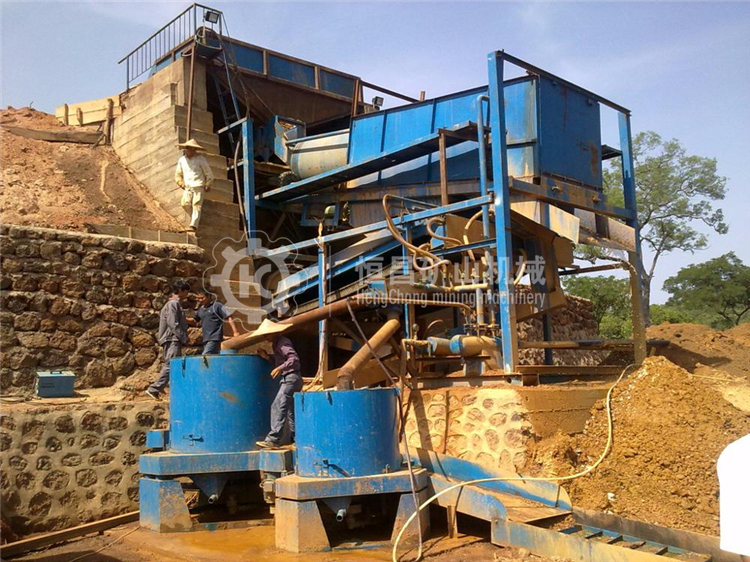
This case study comes from a Nigerian client in Osun State, a region known for artisanal gold mining. But the same setup works in Ghana, Mali, Tanzania, and Zimbabwe. Here’s why:
Nigeria: Alluvial gold with fine particles (0.1–2mm). High clay content required pre-screening.Ghana: Similar alluvial deposits, but with higher gravel content. The 20型 handled it well with a trommel screen.
Mali: Desert conditions with dry, dusty ore. Water recirculation was key.
Tanzania: Hard rock ore after crushing. The concentrator recovered fine gold missed by sluice boxes.
In each case, the 20型 delivered consistent recovery rates of 85–95% for free-milling gold. Not bad for a machine that fits in a shipping container.
How It Works: Simple Breakdown
Feed Preparation: Ore is washed and sized to under 6mm (use a trommel or vibrating screen). Too big? It’ll clog.Slurry Entry: Water and ore mix enters the rotating bowl at 20–30% solids.
Centrifugal Separation: The bowl spins at 600–900 RPM. Heavy gold stays on the ribs; lighter sand is ejected.
Concentrate Discharge: After 4–6 hours, stop the machine, open the bowl, and scoop out the heavy concentrate. That’s your gold.
No chemicals, no mercury—just physics. Simple enough for a two-man team.
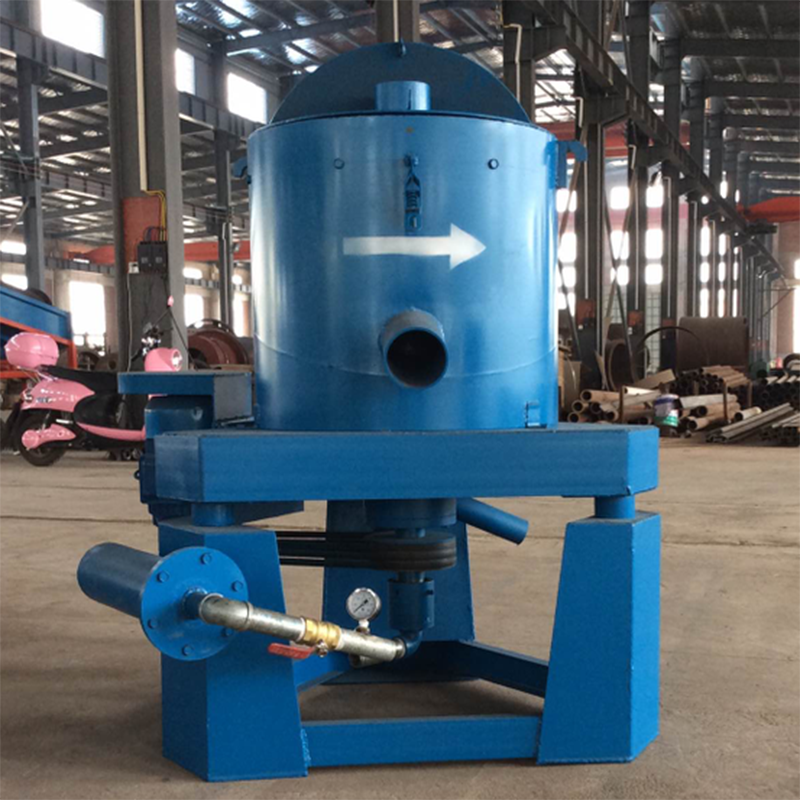
Key Structural Features
The JXSC 20型 isn’t a mystery box. Here’s what you’re getting:
Bowl material: 304 stainless steel—resists wear and corrosion.Ribs: Replaceable polyurethane inserts. Don’t let them wear below 50%.
Motor: 7.5 kW, 380V or 440V (choose based on your site power).
Frame: Heavy-duty steel with rubber vibration dampeners.
Control panel: Simple start/stop, speed adjustment (optional).
Lubrication: Grease fittings on bearings—Check weekly.
What Ores Can It Handle?
The 20型 is versatile but not magic. Best results with:
Alluvial gold: Free particles in sand and gravel.Hard rock gold: After crushing to <6mm.
Platinum and tungsten: If you’re into that.
Black sand concentrates: Upgrades heavy magnetite mixes.
Not recommended: Massive nuggets (>5cm) or sticky clay without proper washing.
Processing Parameters (30 TPH Plant)
| Parameter | Value |
|---|---|
| Feed size | <6mm |
| Capacity | 25–35 TPH (varies by slurry density) |
| Water consumption | 40–60 m³/hour |
| Recovery rate | 85–95% for free gold |
| Concentrate mass | 1–3% of feed |
| Power draw | 7.5 kW (≈10 HP) |
| Machine weight | 1,200 kg |
For a 30 TPH plant, you’ll need a feeder, trommel screen, pump, and maybe a sluice after the concentrator.
Daily Operation & Maintenance: Keep It Running
Shift Checklist:
Check water pressure—must be stable at 2–3 bar.Inspect ribs for wear—replace if <10mm left.
Listen for bearing noise—grinding means trouble.
Monitor motor temperature—hotter than 80°C? Let it cool.
Clean discharge chute—clogs kill recovery.
Weekly:
Grease all bearings.Tighten all bolts.
Check belt tension—slippage reduces speed.
Monthly:
Check shaft alignment.
Test motor insulation resistance.
Pro tip: Keep a spare set of ribs and a bearing kit onsite. Downtime in remote sites costs more than parts.
JXSC 20型 vs. Other Concentrators
| Feature | JXSC 20型 | Sluice Box | Shaking Table |
|---|---|---|---|
| Capacity | 30 TPH | 50+ TPH | 1–5 TPH |
| Recovery (fine gold) | 90% | 50–70% | 95% |
| Power | 7.5 kW | 0 | 1.5 kW |
| Operator skill | Low | Low | Medium |
| Cost | $8K–12K | $500–2K | $5K–10K |
| Portability | Container | Manual | Skid |
Verdict: If you need high recovery on fine gold and can’t babysit a table, the concentrator wins. Sluices are cheaper but lose fines. Tables need constant adjustment.
Application Scenarios Summary
Startup miners: One 20型 + trommel = quick payback in alluvial areas.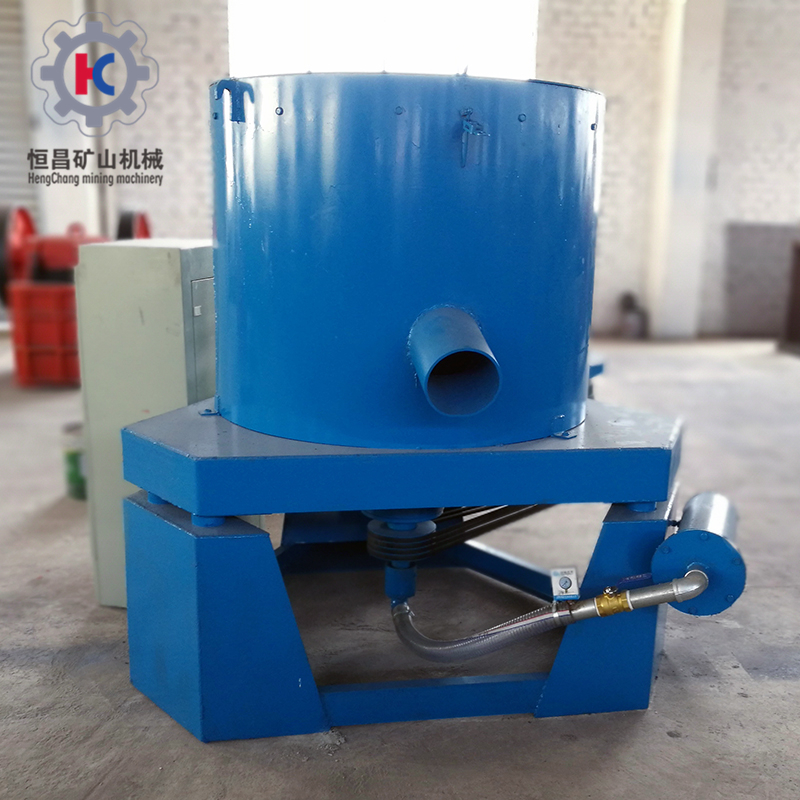
Cooperative groups: Share one machine for multiple pits.
African sites: Works with diesel generators or solar (with inverter).
Final Practical Tips for Buyers
Test before you buy: Send a 500kg sample to JXSC for a recovery test.Don’t oversize: 30 TPH is enough for most artisanal operations.
Plan water: You need 50 m³/hour—recycle if possible.
Training: JXSC offers remote setup guides. Use them.
Spare parts: Order with the machine—no waiting for shipping.
For Nigerian miners: Look up JXSC’s Lagos distributor. They stock common parts.
The Bottom Line
The JXSC Nigeria 20型 Gold Centrifugal Concentrator is a solid choice for 30 TPH gold processing in Africa. It’s not the cheapest upfront, but it cuts gold loss and reduces chemical use. One Nigerian user told me: “After three months, it paid itself. We stopped losing dust.” That’s the kind of result you want.
If you’re in the market for 选矿设备工艺 optimization or 选矿设备选型, this machine deserves a spot on your shortlist. Talk to JXSC, run your ore test, and see the numbers for yourself. Your gold deserves the best.
Got questions? drop them below. The JXSC team is active on WhatsApp for quick support.