Chinese


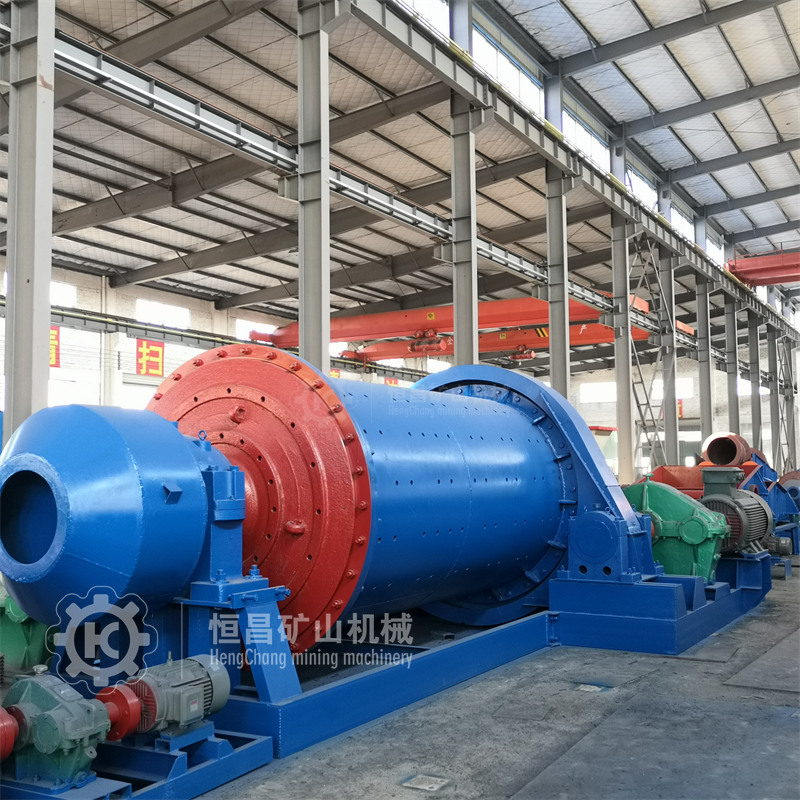
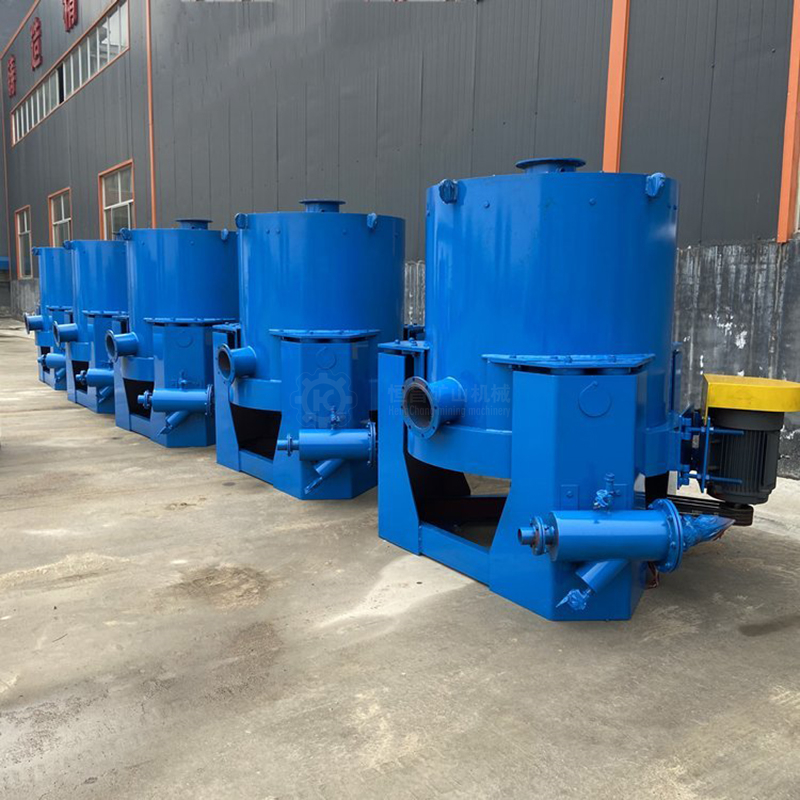
JXSC Zambia 120型 Gold Centrifugal Concentrator 20TPH Processing Flow & Price
Hey there, fellow miners and plant operators. If you’re reading this, you’re probably tired of complicated technical jargon and just want to know one thing: How do I get more gold, faster, and at a fair price?
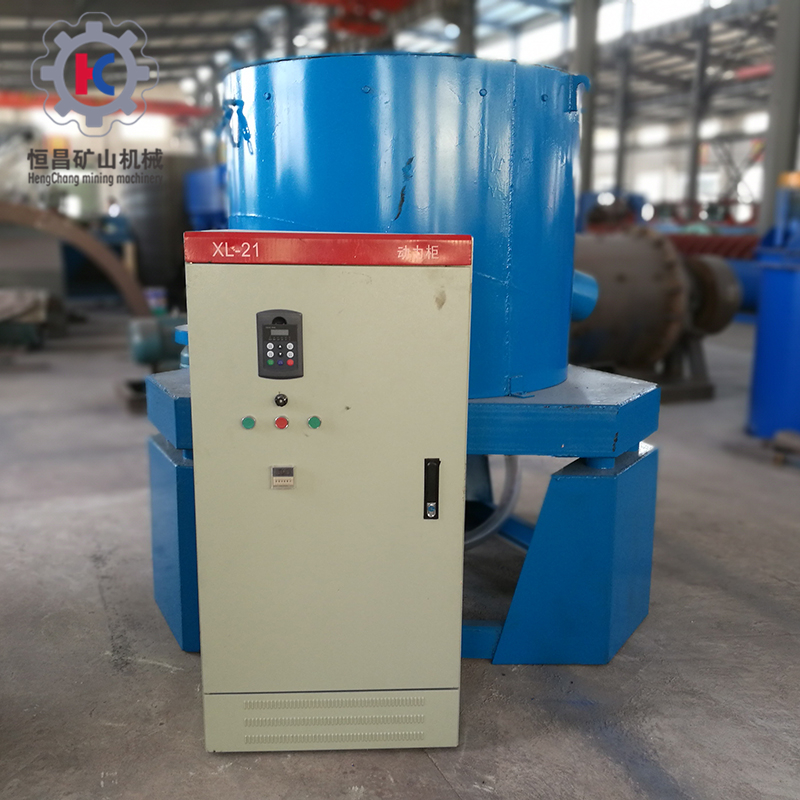
Today, we’re diving deep into a workhorse in the African gold fields – the JXSC Zambia 120型 Gold Centrifugal Concentrator. We’ll break down its 20TPH processing flow, talk real-world prices, and give you the straight-up, no-BS facts you need to make a smart decision.
Let’s get our hands dirty.
Why the 120型 is a Game-Changer in Africa
Before we talk numbers, let's set the scene. From the copper belt of Zambia to the artisanal mines in Ghana and the hard rock operations in Zimbabwe, gold miners face a common enemy: fine gold recovery. Traditional sluices and mercury methods lose a ton of gold.
The JXSC 120型 Centrifugal Concentrator (made by Jiangxi Hengchang Mining Machinery, or JXSC for short) was designed to tackle this exact problem. It’s not just a toy; it’s a dense media separator that uses high G-force to capture fine and coarse free gold.
Case Study: Zambia's Copperbelt Gold Tailings
A small-scale but ambitious miner in Kitwe, Zambia, was processing old tailings. He was getting maybe 30% recovery with a manual shaker table. After installing a JXSC 120型 unit (running at 20TPH), his recovery jumped to over 90% for -1mm gold particles. The key? The centrifugal force (up to 200G) captures gold that water-only methods just wash away. That’s the power of this machine.
How It Works: The Simple Science Behind the "Spin"
You don't need a degree to understand this. Imagine a washing machine on spin cycle, but instead of clothes, you have heavy gold particles and light sand.
Feed Entry: Slurry (gold ore mixed with water) enters the rotating bowl.Fluidization Water: Pressurized water is injected into the bowl. This creates a "fluidized" sand bed inside the spinning cone.
Gravity Separation: The high-speed rotation (around 900-1200 RPM depending on model) forces heavy gold particles to the outside of the bowl, while lighter minerals are released over the top lip.
Concentrate Collection: The heavy gold concentrates are packed into the grooves inside the bowl.
Cleaning Cycle: After a set time (usually 2-4 hours for a 120型), you stop the machine, remove the concentrate, and hit the gold.
Bottom line: It’s a brute force method that is incredibly effective for free-milling gold.
Key Structural Features You Need to Know (Not Just Marketing Fluff)
Let’s be real – a cheap machine is a headache. Here’s why the JXSC 120型 stands up to African conditions:
Heavy-Duty Bowl: Made from wear-resistant steel or polyurethane. The PU bowls are lighter and last longer in abrasive sand.Enclosed Motor: Dust is a killer in African mines. JXSC units come with a sealed motor to prevent grit from killing your bearings.
Pressure Regulator: This is critical. Without consistent fluidization water pressure, your recovery suffers. The JXSC unit includes a solid pressure gauge and regulator.
Portable Design: Weighing about 250-300 kg (550-660 lbs), two guys can move this around with a pallet jack. Perfect for remote sites.
What Ore Can You Use This For?
This concentrator is not a miracle worker. It works best on specific materials:
✅ Free-milling gold ore (where gold is visible and not locked in pyrite) ✅ Alluvial / Placer gold (river sand or gravel) ✅ Gold tailings (reprocessing old dumps) ✅ Washed sulfide concentrates (after flotation) ⚠️ Avoid: Fine clay-rich ore (you need to wash the clay first) ⚠️ Avoid: Ore with high content of heavy iron (magnetite, hematite) – they will overload the bowl.
Processing Flow for a 20TPH Setup (The Real Workflow)
You don’t just dump dirt in. Here’s a typical 20 ton per hour flow using the JXSC 120型:
Step 1: Pre-Screening
Why: You cannot feed rocks larger than 10mm into the concentrator. Oversize material will block the slots.
Step 2: Slurry Pumping
Equipment: Slurry pump (e.g., 2-inch pump).Why: The slurry must be at 25-30% solids concentration.
Step 3: Gravity Feeding (Optional)
Setup: A tank and pipe above the concentrator.Why: Gravity feed is more stable than pumping directly.
Step 4: The Concentrator
Machine: JXSC Zambia 120型 Gold Centrifugal Concentrator.Duration: Spin for 2-4 hours, then stop for cleanout.
Step 5: Clean Up
Tool: Water hose and a brush.Output: You get a high-grade black sand concentrate (usually 50-70% gold).
Step 6: Final Upgrade (Optional)
Equipment: Shaking table or mercury amalgamation (if you must use it).Output: Pour a bar!
Performance Parameters (The Hard Numbers)

Let's cut to the chase with the technical specs you need:
| Parameter | Value |
|---|---|
| Model | JXSC 120型 (120cm dia. bowl) |
| Nominal Capacity | 15-25 TPH (depending on feed density) |
| Recovery Rate (Free Gold) | 85-98% (for -0.5mm gold) |
| Water Consumption | 30-50 m³/hour |
| Motor Power | 7.5 kW |
| Bowl Speed | ~1400 RPM |
| Concentrate Cleanout Cycle | Every 2-4 hours |
| Weight | ~600 kg (with motor) |
Personal note: I’ve seen a well-adjusted unit hitting 22 TPH easily with 90% recovery on a Zambian alluvial site. The 20TPH rating is conservative—it can handle more if your material is clean and has low clay.
Price: What’s the Damage?
Let’s talk dollars and cents. Prices fluctuate with material costs and shipping, but here’s a realistic ballpark.
Base Price (FOB Port, e.g., Shanghai, Tianjin): Expect to pay between $8,000 - $12,000 USD for a new JXSC 120型.Factors that change price: Material of Bowl: Polyurethane is cheaper (~$1,000 less) than steel.
Motor Brand: Chinese domestic motor vs. European brand (ABB/Siemens).
Inverter (VFD): Adding a Variable Frequency Drive allows you to adjust speed for different materials – worth the extra $500-800.
Spare Parts Kit: Always buy a spare bowl liner and seals. Add ~300-500 USD.
Shipping to Africa: Sea freight to Dar es Salaam (Tanzania) or Mombasa (Kenya): ~$1,500 - $2,500 per cubic meter.
CIF (Cost, Insurance, Freight) to Zambia or DRC: Expect a total landed cost of $12,000 - $18,000 USD.
Quick Tip: Don't buy the cheapest option. Buy from a reliable supplier like JXSC (Jiangxi Hengchang) . They have a good reputation for after-sales support in Africa. A "bargain" machine from an unknown seller might save you $2,000 upfront but cost you $5,000 in downtime.
Daily Operation & Maintenance (Don't Skip This)
A centrifugal concentrator is a high-maintenance girlfriend. Treat her right.
Daily Check: Listen for unusual bearing noise. Check the pressure gauge. Clean the bowl immediately after shutdown.Water Quality: Use clean water. Sand in the fluidization water destroys the bowl liner fast.
Feed Consistency: Keep the feed density below 35% solids. Thick slurry kills performance.
Bowl Rotation: Every week, rotate the bowl 180 degrees to balance wear.
Lubrication: Grease the bearings every 8 hours of operation. Over-grease is better than under-grease.
Bowl Liner Life: Expect 6-12 months of heavy use before needing a new liner.
Comparison: Centrifugal Concentrator vs. Shaking Table vs. Sluice
Here’s how the 120型 stacks up against common competitors:
| Feature | JXSC 120型 Centrifuge | Shaking Table | Traditional Sluice Box |
|---|---|---|---|
| Capacity | 20 TPH | 1-2 TPH | 5-10 TPH |
| Fine Gold Recovery (<0.1mm) | Excellent (90%+) | Good (70-80%) | Poor (30-50%) |
| Labour Required | 1 person | 2 persons | 3-4 persons |
| Portability | Good (heavy but compact) | Excellent | Excellent |
| Cost per TPH | ~$600-$900 | $500-$800 | $50-$100 |
| Water Usage | High (30-50 m³/h) | Low (2-5 m³/h) | High (100-200 m³/h) |
Verdict: If you have 20 TPH of ore and want to catch fine gold, the centrifuge wins hands down. Shaking tables are better for final upgrading. Sluices are cheap but wasteful.
Application Scenarios Summary
Best for: Placer gold mines, tailings reprocessing, primary gravity circuits.Good for: Small to medium hard rock mines (up to 200 TPD).
Avoid for: Extremely clay-rich ores, complex sulfide ores, very high capacity plants (>50 TPH).
Final Word: Is It Worth It?
If you are serious about gold recovery in Africa, the JXSC Zambia 120型 Gold Centrifugal Concentrator is a solid investment. It’s not the cheapest option, but the combination of high capacity (20 TPH), high recovery (90%+), and robust construction makes it the gold standard for its size class.
My recommendation:
Budget: Plan for $12,000 - $15,000 landed in East/Southern Africa.Source: Go with JXSC or a trusted local dealer who stocks spares.
Prep: Build a good screening system. The machine is only as good as the material you feed it.
You want a machine that works in the mud and the dust of an African mine. This one does.
Got questions? drop them below. Let’s get that gold out.