Chinese


JXSC Ghana Nelson Knelson Concentrator 50 TPH Placer Gold Recovery Plant Case
Why This Case Matters for African Miners
If you’re running a placer gold operation in Ghana, Mali, or Tanzania, you’ve probably heard about Knelson concentrators. But not all setups are equal. Today, I want to share a real-world case: how JXSC helped a Ghanaian client set up a 50 TPH placer gold recovery plant using a Nelson-type Knelson concentrator.
This isn’t theory. It’s a working plant in West Africa. And the results? Consistently high recovery, low maintenance, and a fast return on investment.
Let’s break it down – equipment, process, and lessons learned.
What is a Nelson Knelson Concentrator?
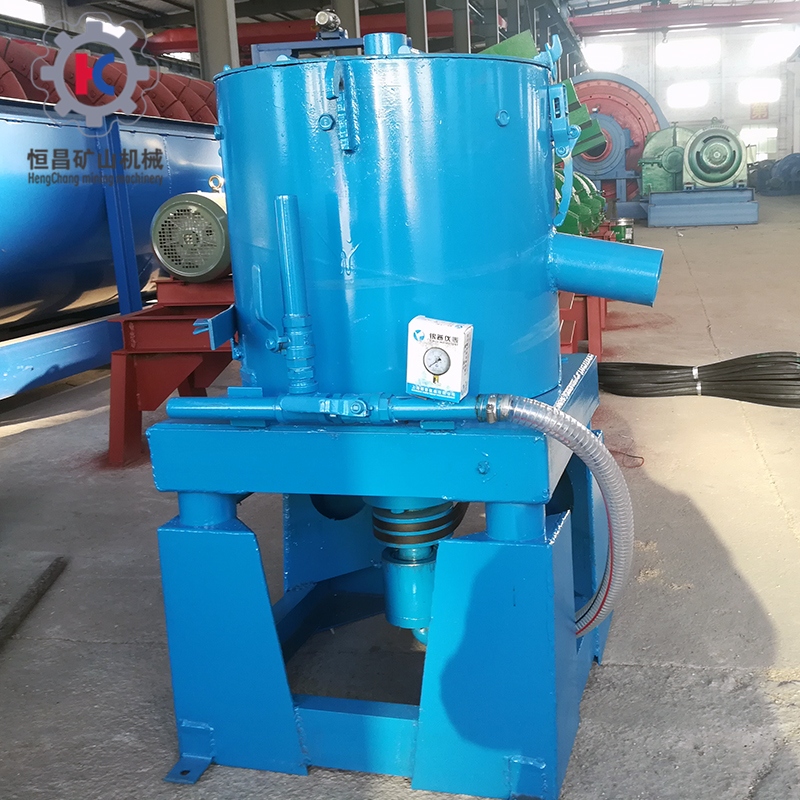
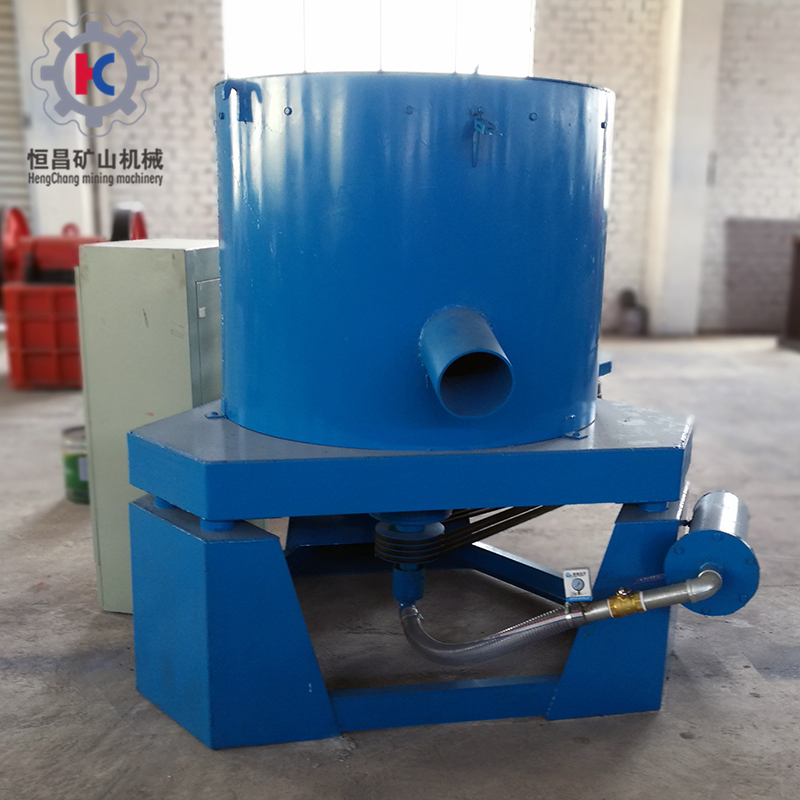
First, let’s get the basics clear. A Knelson concentrator is a centrifugal gravity separator. It spins at high speed to create a G-force that pushes heavy particles (like gold) outward while lighter material is washed away.
The Nelson type is a popular variant – rugged, simple, and built for African conditions. At JXSC, we manufacture these with thick steel bodies, sealed bearings, and easy-access fluidization water systems.
Key components:
Rotating cone with rifflesFluidization water injection ports
Concentrate discharge valve
Electric motor drive (diesel option available)
The Ghana Plant: 50 TPH Setup
Our client in Ghana runs a placer gold mine with alluvial deposits. They needed a system that could handle 50 tons per hour of feed material while recovering fine gold down to 150 microns.
The JXSC solution included:
| Equipment | Specification |
|---|---|
| Trommel scrubber | 1.8m x 6m, 30 kW |
| Slurry pump | 4/3C-AH, 45 kW |
| Nelson Knelson concentrator | KC-XD70, 50 TPH capacity |
| Shaking table | 6-S, 2 units |
| Concentrate pump | 2/1.5B-AH |
| Control panel | PLC with VFD |
Why this combination?
The trommel removes oversize +20mm material. The Knelson catches free gold. The shaking table final-polishes the concentrate. Simple, effective, no over-engineering.
How It Works: Step-by-Step
Feed preparation – Alluvial material goes through the trommel scrubber. Water jets break clay lumps. Oversize rock is rejected.
Slurry pumping – The undersize (-20mm) slurry enters a sump, then gets pumped to the Knelson concentrator at 25-30% solids.
Centrifugal separation – Inside the Knelson cone, material spins at 60-80 G-force. Heavy gold particles migrate to the riffles. Lighter sand is forced out.
Concentrate collection – Every 2-4 hours, the operator opens the discharge valve. Concentrate flows to a settling tank.
Final upgrade – Concentrate is processed on shaking tables to produce +95% gold dore.
Recovery rate: 92-96% for free gold above 74 microns. That’s industry-leading for alluvial plants.
Which Ores Does This Work For?
Not every ore is suitable. Here’s the truth:
Ideal for:
Placer gold (alluvial, eluvial)Paleo-channel deposits
Tailings reprocessing
Free-milling gold ores (not sulfides)
Not ideal for:
Refractory gold (locked in sulfides)Very high clay content (above 30%)
Extremely coarse gold (+5mm) – use a jig instead
In Ghana, most placer gold is fine to medium (0.1-2mm). The Knelson handles this perfectly.
Advantages Over Other Equipment
| Feature | Knelson Concentrator | Shaking Table | Jig Machine |
|---|---|---|---|
| Recovery of fine gold | ✅ Excellent | ⚠️ Moderate | ❌ Poor |
| Feed rate per unit | 50 TPH | 2 TPH | 10 TPH |
| Operator skill needed | Low | High | Medium |
| Maintenance cost | Low | Low | Medium |
| Portability | Moderate | Easy | Heavy |
Bottom line: For high-volume placer plants, the Knelson is unbeatable. You can process 50 TPH with one machine. To match that with shaking tables, you’d need 25 units. That’s impractical.
Processing Parameters to Know
Key specs for the JXSC KC-XD70:
Feed capacity: 50 TPH (dry basis)Solids concentration: 20-30%
Water consumption: 4-6 m³/hour
G-force range: 60-80 G
Concentrate discharge interval: 2-4 hours typical
Concentrate weight per cycle: 30-60 kg
Pro tip: Don’t push feed rate above 55 TPH. You’ll get lower recovery as the fluidization water can’t keep up.
Daily Operation & Maintenance
I’ve trained operators across West Africa. Here’s the simple routine:
Daily checks:
Inspect fluidization water pressure (should be 0.6-0.8 bar)Listen for bearing noise – if it’s rough, replace soon
Check concentrate discharge valve seal
Weekly:
Clean riffles with high-pressure waterInspect rubber liners for wear
Grease bearings (NLGI #2 grease, every 80 hours)
Monthly:
Drain and clean the cone completelyCheck fluidization ports for blockages
Test emergency stop
Common mistake: Running the concentrator without enough fluidization water. This causes the riffles to pack with sand and gold recovery drops. Always maintain proper water flow.
Lessons from the Ghana Installation
Here are real takeaways from this project:
1. Site preparation matters
The client’s ground was uneven. We recommended a concrete foundation. They skipped it, used wooden beams. After 3 weeks, the machine tilted. We had to re-level. Don’t cut corners.
2. Water quality
Their river water had high silt content. We added a simple settling pond. Without it, the fluidization water nozzles clogged every 2 days. Fixed with a 200-micron filter.
3. Operator training
We trained 2 operators for 5 days. The client then rotated untrained staff. Recovery dropped from 94% to 80%. Always keep trained personnel on the concentrator.
4. Spare parts
We stocked 6 months of common spares (seals, bearings, rubber liners). Import delays in Ghana can be 4-6 weeks. Don’t rely on last-minute ordering.
Comparing Knelson to Other Concentrators
Knelson vs. Falcon:
Knelson uses fluidization water; Falcon uses a dry coneKnelson is better for fine gold; Falcon for high-capacity gravity concentration
Knelson is easier to maintain in field conditions
Knelson vs. iCON:
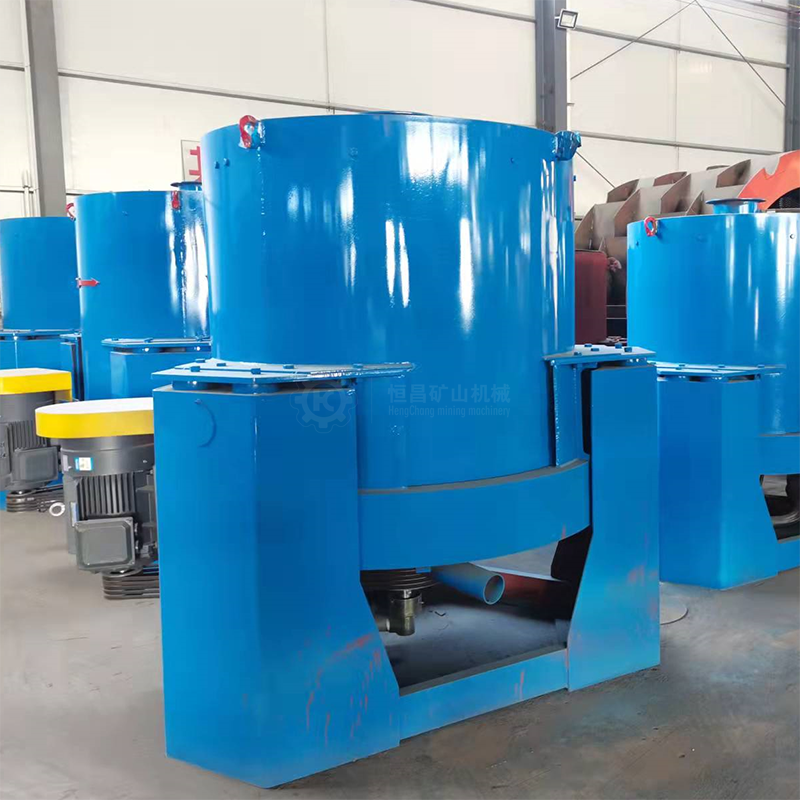
Knelson is industrial-grade for 50+ TPH plants
Both work well for their size
Verdict: For placer gold operations above 20 TPH, Knelson is the industry standard. For smaller artisanal setups, iCON or a small Knelson is fine.
When to Choose This Equipment
You should consider a Knelson-based placer plant if:
Your feed grade is 0.3-2 g/m³Gold is free-milling (not attached to sulfides)
You need 20-100 TPH capacity
Water is available (4-6 m³/hour minimum)
You want low operating costs per ton
Avoid if:
Gold is coarse (+5mm) – use a jig firstClay content is very high – need extra scrubbing
You can’t access clean water – consider dry gravity methods
Final Thoughts: Why JXSC?
This Ghana plant has been running for 8 months now. The client reports average recovery of 93.5%, with maintenance costs under $2,000 per month (excluding power).
Here’s why they chose JXSC:
Customized design for African conditionsThicker steel than competitors (16mm vs 10mm)
Stocked spare parts in Accra
Technical support available in English and French
18-month warranty on the Knelson cone
If you’re planning a placer gold plant in Africa, don’t skip the equipment selection phase. A properly sized Knelson concentrator – paired with the right scrubbing and final upgrading – will make the difference between a profitable mine and a money pit.
Need help with selection?
Contact JXSC. We’ll run your ore sample for free and recommend the exact setup for your deposit size and gold characteristics. No sales pressure, just honest advice from engineers who’ve been in the field.
This article is based on real installation data from our Ghana project. Results may vary depending on feed material, operation, and maintenance. Always test your ore before committing to equipment.