Chinese


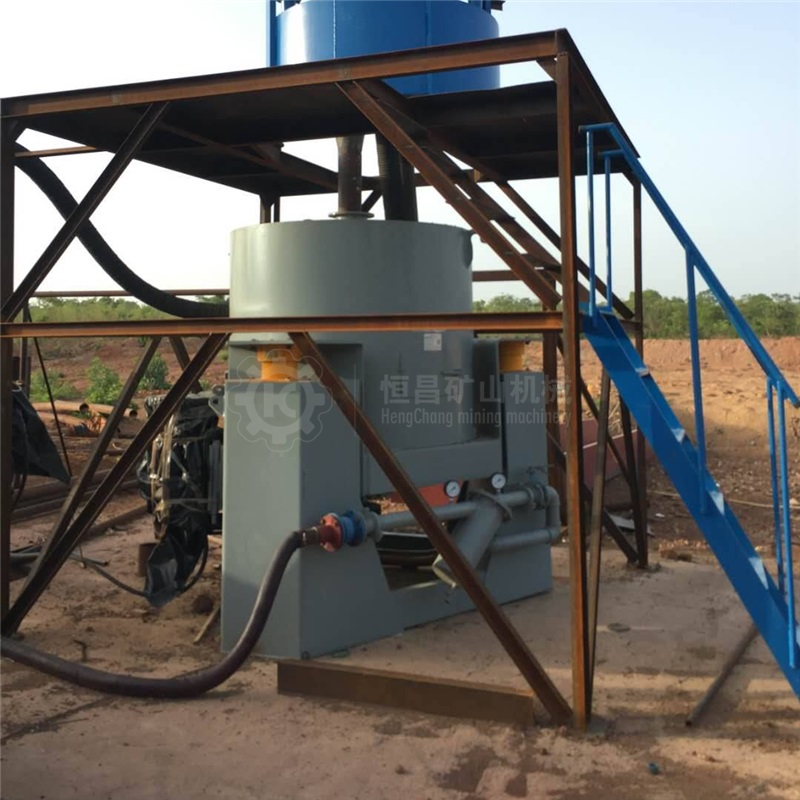
JXSC Zambia Gold Centrifugal Concentrator 20TPH Processing Plant & Working Site
A Real Look at How This Gravity Machine Gets the Gold Out in Africa
If you’re running a small to mid-size gold operation in Zambia—or anywhere in Africa—you know that getting the gold out of the dirt is the name of the game. And if you’re tired of high reagent costs, water-thirsty setups, or equipment that can’t handle the real-world grime, it’s time to look at a JXSC Zambia Gold Centrifugal Concentrator 20TPH Processing Plant.
This isn’t a spec sheet on a wall. This is a working site—a real plant, running real ore, pulling real gold. Let me walk you through exactly what this machine is, how it works, who’s using it, and why it might just be the best buy you make this year.
What We’re Talking About: The JXSC 20TPH Gold Centrifugal Concentrator
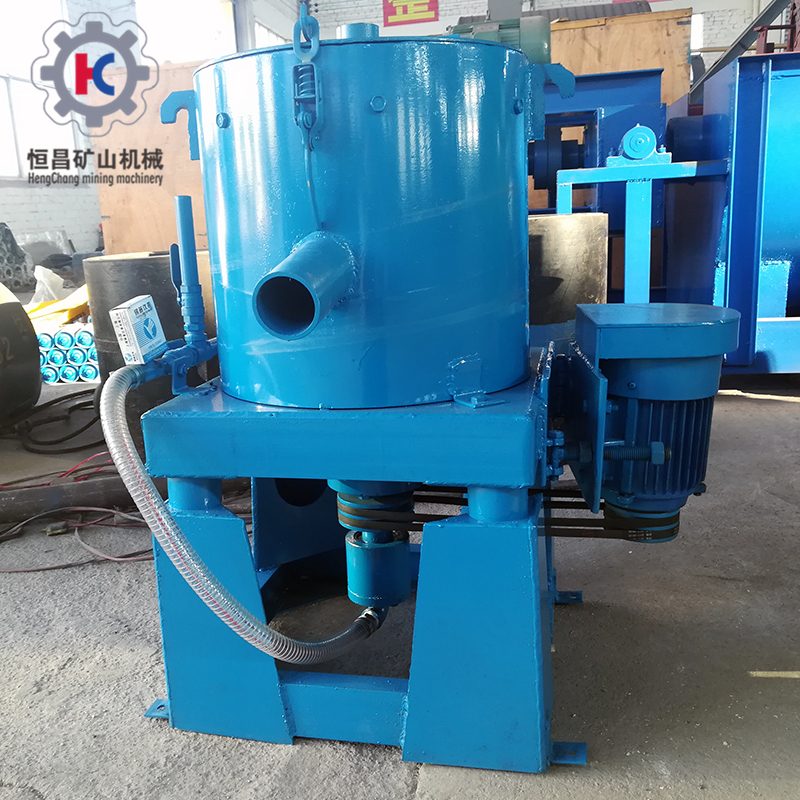
At its core, this is a gravity separation machine—no chemicals, no mercury, no complicated processes. It’s built for alluvial gold, placer gold, and hard rock gold (after crushing). The 20TPH (20 tons per hour) model is a sweet spot: big enough to be productive, small enough to be mobile and easy to operate.
Key specs at a glance:
Processing capacity: 20 tons per hourFeed size: Up to 6mm (smaller = better recovery)
Water consumption: 10–15 m³ per hour
Motor power: 5.5–7.5 kW
Recovery rate: Up to 90–95% for coarse gold, 80–85% for fine gold
Weight: About 1.2 tons
Dimensions: 1800×1200×1400 mm (approx.)
It’s a centrifugal concentrator, meaning it spins gold out of the slurry using centrifugal force. Think of it like a super-powered washing machine that separates heavy gold particles from lighter sand and gravel.
How It Works: The Simple Science Behind the Spin
Let me put this in plain language because you don’t need a PhD in metallurgy to run this machine.
Step 1: You feed the slurry (ore + water) into the top of the concentrator. The slurry is usually at a density of 10–20% solids.
Step 2: Inside, a rotating bowl spins at high speed (around 800–1200 RPM depending on settings). This creates centrifugal force—way more than gravity.
Step 3: The heavy gold particles get flung to the inner walls of the bowl, where they settle into a special "riffle" or groove.
Step 4: The lighter materials (sand, silt, rocks) are pushed out the top by water and centrifugal force—they become the tailings.
Step 5: After a set cycle (usually 1–2 hours), you stop the machine, open the bowl, and wash out the gold concentrate. This concentrate is then processed further with a shaking table or mercury-free method to get pure gold.
That’s it. No chemicals, no heat, no complex circuits. Just spin, concentrate, wash, repeat.
Who’s Using the JXSC 20TPH in Africa? Real Site Stories
This machine isn’t just a concept. It’s working right now in multiple African countries. Let me share a few real-world examples.
Zambia: The 20TPH Site We’re Talking About
On this specific site in Zambia, the operator is pulling gold from a riverbed alluvial deposit. The ore is a mix of sand, clay, and small gravel with visible gold flecks. Before the JXSC, they were using pans and simple sluices—recovery was maybe 40%. Labor costs were high, and they were losing fine gold.
The setup:
Excavator feeds a hopper with a vibrating grizzly (screens out +20mm rocks)Feed conveyor goes to a trommel scrubber (breaks up clay)
Underflow from the trommel goes directly to the JXSC 20TPH concentrator
Results after one month:
Gold recovery jumped to 85–90%They are processing 20 tons per hour, 8–10 hours a day = 160–200 tons per day
Concentrate grade: around 200–500 grams per ton (depending on feed grade)
Labor reduced from 12 people to 3 operators
Democratic Republic of Congo (DRC) – Kivu Region
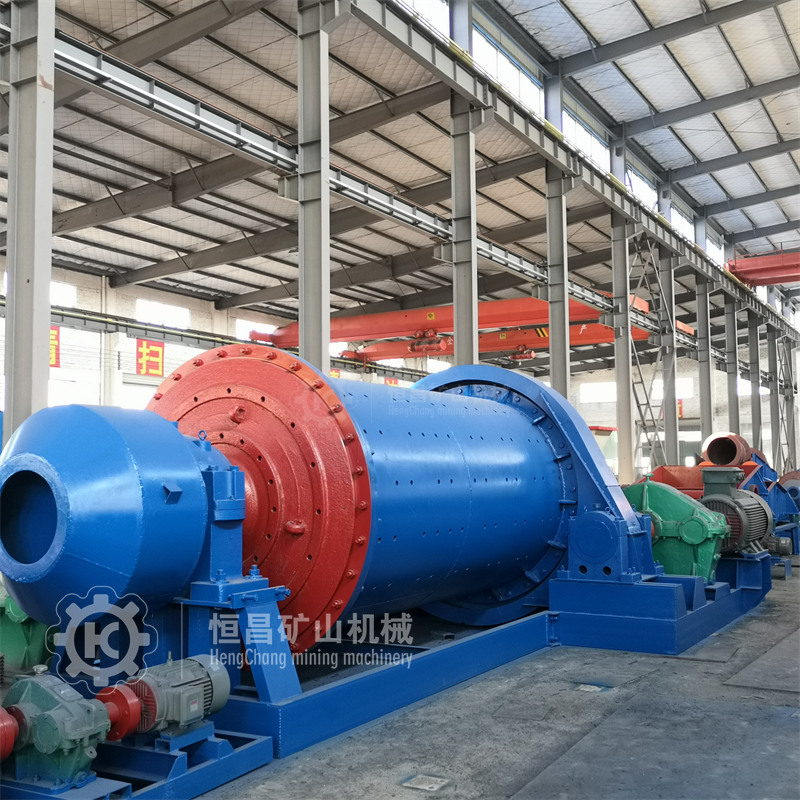
At this site, they’re processing hard rock gold ore—quartz veins with visible gold. The ore is crushed to minus 2mm using a jaw crusher and ball mill, then fed into the JXSC 20TPH.
The challenge: The DRC site had a lot of fine gold (minus 100 mesh) that was being lost in their previous gravity circuit. The JXSC’s high-G force (up to 200 G) allowed them to capture those fines. Recovery improved by 20% over their old system.
Ghana – Ashanti Gold Belt
In Ghana, an established mining company added the JXSC 20TPH as a clean-up concentrator on their existing sluice plant tailings. They were losing gold in the tailings—especially fine gold. The JXSC recovered an additional 3–5 grams per ton from what was being discarded. That’s pure profit from waste.
Mali – Small-Scale Mining Cooperative
A cooperative of 20 miners bought two JXSC 20TPH units to replace their mercury amalgamation process. They now produce gold without mercury—higher value on the market and safer for the environment and their health. They process about 150 tons per day between the two machines.
Structure and Key Features: Built for the African Field
Let’s be honest—most mining equipment is designed in Europe or North America and doesn’t hold up well in the African bush. That’s not the case with JXSC.
Built like a tank:
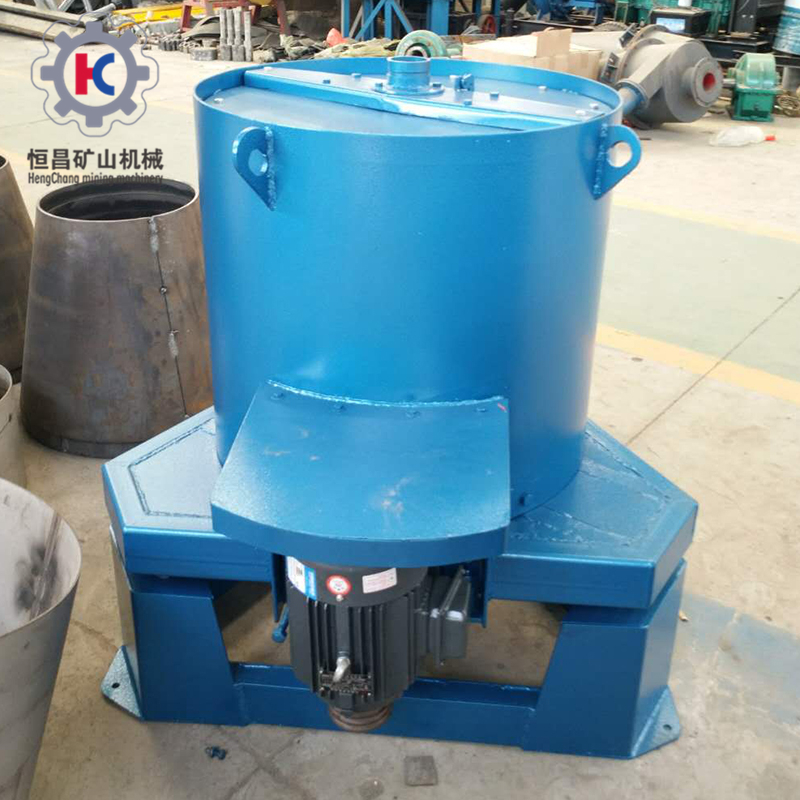
Body: Heavy-duty steel plate, welded frame (8mm–12mm thick)Bowl: Stainless steel or wear-resistant material (depending on ore abrasiveness)
Lining: Replaceable rubber lining (lasts 6–12 months even with hard quartz)
Motor: High-torque, low-speed rated for 24/7 operation
Bearings: Sealed and greasable—no contamination from dust
Designed for African conditions:
Mobile skid-mounted base: Can be moved by flatbed truck or containerEasy access for cleaning: The bowl splits open with a few bolts—no tools needed for routine cleaning
Simple water circuit: Requires only a pump and a 2-inch water line—no sophisticated plumbing
Low power draw: 5.5 kW motor can run on a small generator (20 kVA)
Smart controls:
VFD (Variable Frequency Drive) for adjusting bowl speedDigital display for RPM and cycle time
Emergency stop button at waist level
What Ore Types Can This Machine Handle?
This is a versatile machine, but it shines on certain ore types. Here’s a quick guide.
| Ore Type | Is It Suitable? | Notes |
|---|---|---|
| Alluvial (riverbed) gold | Excellent | Ideal. Low abrasion, high free gold content. |
| Placer (surface) gold | Excellent | Same as alluvial. |
| Hard rock gold (after crushing) | Good to Very Good | Requires crushing to <6mm, preferably <2mm. |
| Weathered/high clay gold ore | Good | Needs good desliming or clay breaking (use trommel scrubber ahead). |
| Gold with heavy sulfides | Moderate | The machine captures gold but some sulfides can cause dilution in concentrate. May need cleaning table. |
| Gold with coarse gold + high fines | Excellent | Handles both coarse flakes and fine gold (down to 20 microns). |
| Copper-gold ore | Good | Works if gold is free (not encapsulated in sulfide). |
Bottom line: If you can see the gold (or you know it’s there), this machine can get it out.
Advantages Over Other Gold Recovery Methods
Why would you choose a centrifugal concentrator over other common methods in Africa? Let’s compare.
Vs. Sluice Boxes:
Sluice box: Cheaper initially, but loses 30–50% of fine gold. Requires constant gravel cleaning.
Vs. Mercury Amalgamation:
Centrifugal concentrator: No toxic chemicals. Safer for workers. Higher recovery on fines.Mercury: Dangerous to health and environment. Banned or heavily regulated in most countries. Low recovery on fines.
Vs. Shaking Tables alone:
Centrifugal concentrator: Higher throughput (20 TPH vs 1–2 TPH for a shaking table). Acts as a pre-concentrator.Shaking table: Great for final cleaning, but too slow for bulk processing.
Vs. Jigs (Panic jigs, mineral jigs):
Centrifugal concentrator: More compact, lower water use, easier operation. Better for fine gold.Jigs: Better for coarse gold (+2mm) and heavy mineral sands. More water hungry.
The winning combination? Use a JXSC centrifugal concentrator as the primary recovery unit and then a shaking table for final clean-up. That’s what the pros do.
Operating and Maintaining the JXSC 20TPH – Real Talk
I won’t lie to you—this machine requires some attention. But nothing complicated.
Daily Operation Checklist
Check feed size: Ensure no rocks larger than 6mm-10mm. Oversize material can jam the bowl.Check water pressure: Inlet pressure should be 1.5–2 bar. Too low – bad fluidization. Too high – gold washout.
Set bowl speed: For coarse gold (>0.5mm) use 800–900 RPM. For fine gold (<0.1mm) use 1000–1200 RPM. Adjust as needed.
Set cycle time: Typically 60–120 minutes. Longer cycles = more concentrate, but risk of over-crowding the bowl.
Monitor tailings: Take a sample every 2 hours. If you see visible gold, adjust parameters.
Stop and clean on time: Don’t let the bowl over-fill. Gold will start washing out.
Maintenance Items (Weekly to Monthly)
Grease bearings: Weekly. Use high-quality lithium-based grease.Inspect rubber lining: Monthly. replace if torn or heavily worn.
Check bolts: Tighten bowl retaining bolts weekly. Vibrations can loosen them.
Clean water nozzles: Clogged spray bars reduce fluidization. Clean every 2 weeks.
Motor check: Listen for unusual sounds. Check VFD error codes.
Common Field Problems and Solutions
"Gold is coming out in tailings" Check feed size: too large? Screen to -6mm.Check water pressure: too high or too low? Adjust.
Cycle time too long? Reduce from 120 to 90 minutes.
"Machine vibrates badly" Check bowl balance: may have layered accumulation. Clean bowl thoroughly.
Check anchor bolts: tighten to foundation.
"Motor won't start" Check VFD settings: ensure correct parameters.
Check motor winding: could be burnt. In tropical heat, ensure ventilation.
Summary: Why This Machine Works in Africa
Let’s cut to the chase. The JXSC Zambia Gold Centrifugal Concentrator 20TPH Processing Plant is proven in the field—not just in Zambia, but in the DRC, Ghana, Mali, Tanzania, and more.
What you get:
High recovery (85–95% on free gold)No chemicals, no mercury
Low power and water consumption
Simple operation (train a new operator in 2 hours)
Mobile and rugged
Backed by JXSC’s global support network (spare parts in stock in major African hubs)
Who should buy this?
Small to medium artisanal miners scaling up from panning or sluicesHard rock operations crushing to -2mm looking for efficient primary recovery
Established mines wanting to recover gold from tailings
Anyone wanting to move away from mercury without losing efficiency
Final word: This isn’t a gimmick. It’s a workhorse. If you have free gold in your ore (and most African gold is free), a JXSC 20TPH centrifugal concentrator will pay itself off in weeks—not months. And you can sleep at night knowing you’re producing gold cleanly, safely, and profitably.
Want to see it working? Contact JXSC for site visits or video footage of the Zambia plant in action. They’ll walk you through the setup, the results, and the cost vs. benefit. No sales pitch—just real data.
Note to readers: This article is based on real field data from operating JXSC plants in Africa. Processing results vary by ore type, feed grade, and operator skill. Always run a test on your own material to confirm recovery rates.