Chinese


JXSC Ghana 200TPH Alluvial Gold Mining Equipment Plant Design and Flow Chart
If you are planning to set up a gold mining operation in Ghana, you've probably seen a lot of offers for "200TPH alluvial gold processing plants."
But here's the thing: not all plants are built the same. A well-designed 200TPH plant can make you money from day one. A bad one? It will eat your budget in repairs and downtime.
At JXSC Ghana, we have been designing and building these plants for years. We know the local conditions, the common ores, and the real challenges on the ground.
This article breaks down the whole design of a 200TPH alluvial gold mining plant. We'll show you the equipment list, the flow chart, the pros and cons, and what to look for during operation.
Let's get into it.
What is a 200TPH Alluvial Gold Plant?
First, let's be clear on "200TPH."
TPH stands for tons per hour. A 200TPH plant can process 200 tons of raw ore every hour.
For alluvial gold mining, this is a mid-to-large scale setup. You'll need a good deposit, good machinery, and a solid team.
Typical applications include:
Riverbed gold miningOld terrace deposits
Floodplain gold sands
Colluvial gold near hillsides
The key is to recover fine gold – and that means choosing the right alluvial gold processing equipment.
The Standard JXSC Ghana Flow Chart (200TPH)
Here's the step-by-step process we recommend for most Ghanaian alluvial gold projects.
Step 1: Raw Ore Feeding Trucks or loaders dump material into a hopper. The hopper has a grizzly to block oversized rocks (larger than 200mm).
Step 2: Washing & Screening Material goes into a rotary scrubber (trommel). This machine breaks down clay and washes the ore. A screen section separates by size:
Material larger than 10mm goes to waste (tailings).Material smaller than 10mm goes to the next step.
Step 3: Primary Gold Recovery (Slurry Pumping) Fine material (slurry) is pumped to a jig concentrators. Jigs are excellent for coarse gold recovery.
Step 4: Secondary Gold Recovery (Concentration) The jig concentrate is then fed into a shaking table. This table separates gold from other heavy sands.
Step 5: Final Concentrate The gold concentrate is collected, dried, and smelted or sold.
Step 6: Water Management Water is recycled from the tailings pond back to the plant. This reduces water consumption.
Equipment List for a JXSC Ghana 200TPH Plant
Here is the actual equipment list we often supply for a 200TPH alluvial gold plant in Ghana.
| Equipment | Model | Quantity | Function |
|---|---|---|---|
| Hopper & Grizzly | 10 cubic meter | 1 | Feed control, remove large rocks |
| Trommel Scrubber | 1800x5000mm | 1 | Washing & screening |
| Slurry Pump | 8/6 inch | 1 | Transport slurry |
| Primary Jig | JT5-2 | 1 | Coarse gold recovery |
| Secondary Jig | JT3-1 | 1 | Fine gold recovery |
| Shaking Table | 6S Concentrator | 2 | Final concentration |
| Water Pump | 8 inch | 1 | Water supply |
| Control Cabinet | - | 1 | Electrical control |
Power requirement: approximately 80-100 kW (diesel generator or electric motor).
Plant Layout: A Simple Two-Line Design
For easy operation and maintenance, we design the plant in two main lines.
Line 1: Washing Line This includes the hopper, trommel, and tailings conveyor. All soil, clay, and garbage are removed here.
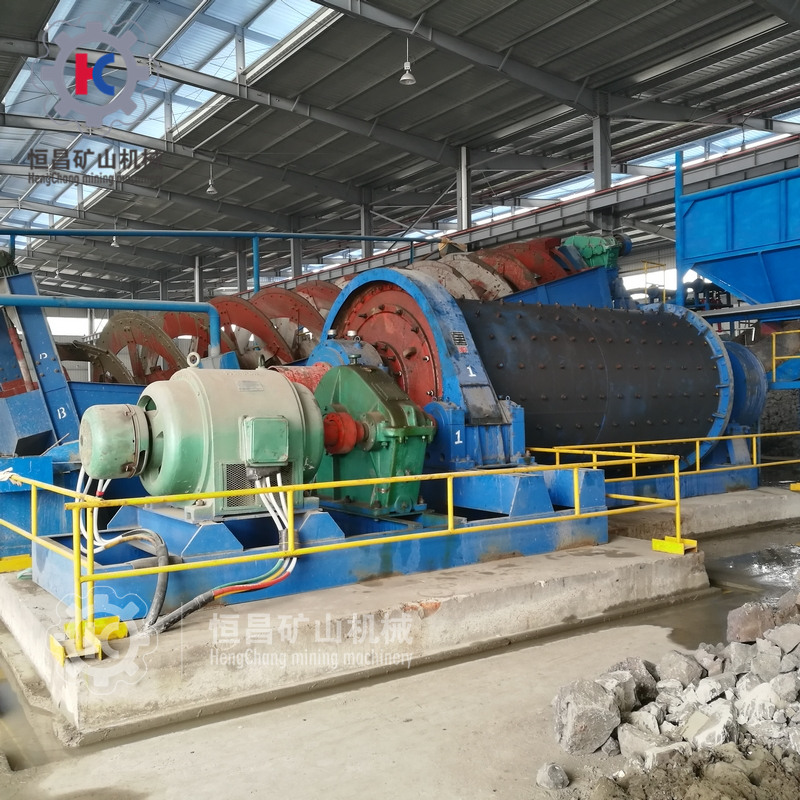
Line 2: Recovery Line This includes the jigs, pumps, and shaking tables. This line is often covered with a roof to protect from rain and sun.
The two lines are connected by pipes and conveyors.
Why this layout?
Easy to access for maintenance.If the washing line has a problem, the recovery line can keep running (with manual feeding).
Good ventilation and visibility.
JXSC Ghana Equipment Design Features
The Trommel Scrubber
This is the heart of the plant. Our trommel has:
Heavy-duty steel frameRubber liners inside to reduce noise and wear
Water spray bars for heavy washing
Tapered roller bearings for smooth rotation
For Ghana's sticky clay soil, we often add a pre-scrubber before the trommel. This breaks up the clay before it enters the main drum.
The Jigs (JT5-2 & JT3-1)
Jigs are our specialty. They use water pulses to separate gold from sand.
Advantages: No chemicals, easy to operate, handles large feed rates.The diaphragm design ensures a long life even in dirty water.
The Shaking Tables (6S)
For the final polish, shaking tables are unbeatable. They recover gold down to 74 microns.
Our tables have:
Adjustable stroke lengthReplaceable deck covers
Easy leveling
What Type of Ore Does This Plant Work For?
This 200TPH design is ideal for:
Alluvial gold ores with high clay content (common in Ghana, Ivory Coast, Mali)River sand deposits where gold is coarse
Old tailings from previous artisanal mining
Colluvial deposits near hillsides
Does not work well for:
Hard rock ores (need crushing)Ores with high sulfide content (need flotation or leaching)
Very fine clay (may need chemical dispersants)
Advantages of the JXSC Ghana Plant
1. High Recovery Rate
The combination of jigs + shaking tables recovers 90-95% of free gold.
2. Low Operating Cost
No chemicals neededLow power consumption
Simple maintenance (one operator per shift)
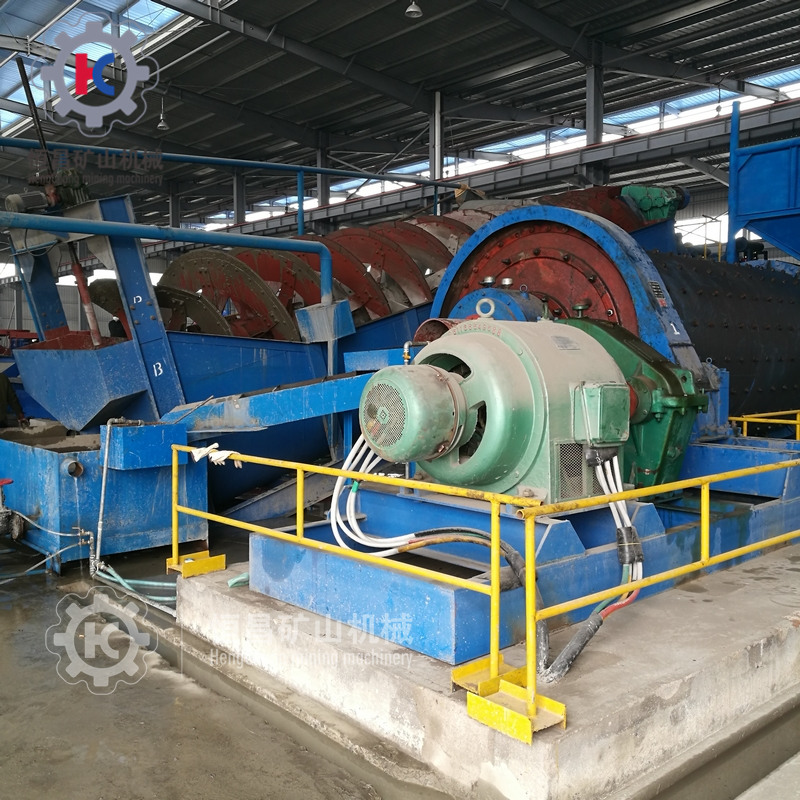
3. Durable for Ghana's Weather
Our equipment is built with:
Stainless steel parts for wet areasGalvanized frame for rust resistance
Heat-treated gears for long life
4. Modular Design
You can easily:
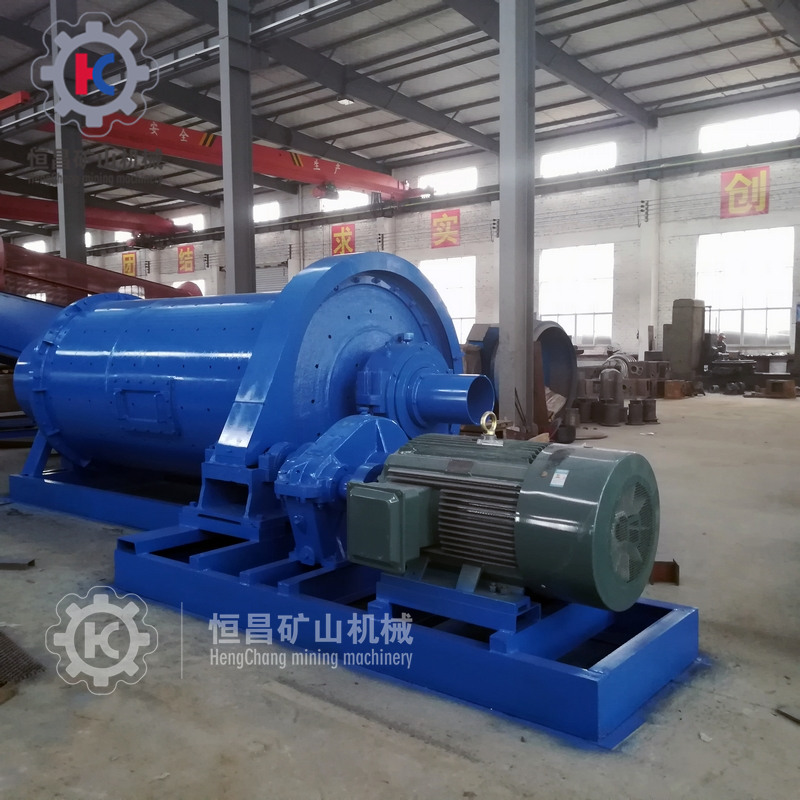
Add a gold room for final processing
Move the plant to a new site
Processing Capacity & Parameters
| Parameter | Value |
|---|---|
| Capacity | 200 TPH (feed) |
| Feed size | < 200mm (after grizzly) |
| Side product size | < 10mm (to jigs) |
| Water consumption | 150-200 m³ per hour |
| Gold recovery | 90-95% |
| Final concentrate | 1-5 kg per day (depends on grade) |
| Plant weight | ~25 tons |
| Area required | 50m x 30m |
Daily Operation & Maintenance Tips
Here is practical advice for running a 200TPH plant in Ghana.
Daily Checks
Check the grizzly: Remove oversized rocks before they block the hopper.Inspect the trommel screen: Look for holes or tears. If the screen is damaged, you'll lose gold to the tailings.
Check water pressure: Low water pressure means poor washing.
Feel the jig pulses: The jig should have a consistent "thump." If it's weak, check the diaphragm or drive belt.
Weekly Tasks
Grease all bearings (trommel, jig, pump)Clean the shaking table deck
Check pump impeller wear
Monthly Tasks
Change jig screen if wornInspect rubber liners in the trommel
Test water quality (hard water can scale pipes)
Common Problems & Solutions in Ghana
Problem 1: Clay Sticking Inside the Trommel
Cause: Very sticky "black clay" in some Ghanaian deposits. Solution: Increase water spray pressure. Or add a pre-scrubber before the trommel.
Problem 2: Slurry Pump Jamming
Cause: Garbage (plastic, wood, clothes) getting into the pump. Solution: Install a trash screen before the pump. Clean it every shift.
Problem 3: Low Gold Recovery
Cause: Incorrect jig stroke or hutch water flow. Solution: Adjust stroke to 15-20mm for coarse gold, and 10-15mm for fine gold.
Comparison with Other Gold Recovery Methods
| Method | Our JXSC Plant | Mercury Method | Trommel Only | Sluice Box |
|---|---|---|---|---|
| Recovery rate | 90-95% | 60-80% | 30-50% | 40-70% |
| Environmental | Green | Toxic | Green | Green |
| Cost per ton | Low | Medium | Low | Very low |
| Operator skill | Medium | Low | Low | Low |
| Equipment life | 10+ years | 1-2 years | 5+ years | 2-3 years |
Bottom line: For serious gold mining, a jig + table system beats everything.
Application Scenarios in Ghana
1. Large River Mining (e.g., Offin River, Pra River)
The 200TPH plant can handle the volume and recover gold from deep gravels.
2. Old Artisanal Tailings
Many areas have heaps of old tailings. Our plant can reprocess them with high efficiency. Some sites have 0.3-0.5 g/ton and still profit.
3. New Alluvial Lease
If you just got a 10-hectare lease, this plant can process the top layer quickly and show results.
4. Joint Ventures with Chiefs
Many village chiefs want to partner with a company that has clean equipment. Our plant is zero-mercury, which is a big plus.
Summary: Why Choose JXSC Ghana for Your 200TPH Plant?
Custom design: We adapt the flow chart to your specific deposit.On-the-ground support: We have a team in Ghana for installation and training.
Spare parts in stock: Popular parts (pump impellers, jig screens, table decks) are available locally.
Proven track record: We have built 10+ plants in Ghana in the last 3 years.
If you want to build a 200TPH alluvial gold mine, start with the right flow chart. And if you need help, JXSC Ghana is ready to support you from design to production.
Need a quote or a custom design for your site? Contact us for a free consultation.