Chinese


JXSC South Africa Zircon Sand Processing Plant 100TPH Daily Capacity & Cost
Hey there, fellow miners and plant operators! If you're reading this, you're probably knee-deep in the African mining game—Zambia, Zimbabwe, Mozambique, or maybe South Africa's Northern Cape. You've got a pile of zircon sand, and you're wondering: "How do I turn this dirt into cash without burning my budget or losing my sleep?"
Well, grab a coffee, because I'm about to break down the JXSC South Africa Zircon Sand Processing Plant—a 100TPH beast that's been crushing it in the field. We'll talk capacity, cost, setup, and real-world stories from the bush. No fluff, just nuts and bolts.
Let's dive in.
1. What Is This Plant All About?
First off, JXSC isn't some random name. JXSC Mine Machinery (Jiangxi Shicheng) has been in the game since 1985. They're the go-to for African miners who need rugged, no-bullsh*t equipment that handles heavy mineral sands like a champ.
The 100TPH Zircon Sand Processing Plant is a complete turnkey solution. It takes raw sand from your pit, runs it through gravity, magnetic, and electrostatic separation, and spits out high-grade zircon concentrate (typically 65-67% ZrO₂). You also get byproducts like rutile, ilmenite, and garnet—extra revenue streams.
Key Specs:
Capacity: 100 tonnes per hour (raw feed)Recovery rate: 90-95% for coarse zircon
Power: ~350-400 kW (depends on site)
Water: 150-200 m³ per hour
2. Real-World Use Cases in Africa
I've seen these plants in action across the continent. Here's where they shine:
?? South Africa (Richards Bay area)
A client with heavy mineral sands (HMS) running at 5% zircon content used the JXSC 100TPH plant. They processed 100 tonnes/hour, 16 hours/day. Monthly output: ~2,000 tonnes of zircon concentrate. Their water recovery system was a lifesaver in a dry region.
?? Mozambique (Coastal dunes)
Another operator in the Zambezi delta used it for alluvial zircon mixed with rutile. The plant handled sticky clay zones like a boss. They paired it with a spiral concentrator stage and got 99% clean zircon.
?? Zambia (Copperbelt byproduct)
Not traditional zircon, but they had copper tailings with trace zircon. The JXSC plant recovered the heavy minerals, turning waste into profit. The client said: "It paid for itself in 8 months."
3. How Does It Work? (The Nuts and Bolts)
Let's keep this simple. The plant works in three main stages:
Stage 1: Gravity Concentration
Raw sand goes into a spiral concentrator or a shaking table. Water washes away light quartz and clay. Heavy minerals (zircon, rutile, ilmenite) settle out. This is where the bulk enrichment happens—from 0.5-5% to 20-30% heavy concentrate.
Stage 2: Magnetic Separation
Heavy concentrate passes through magnetic separators (high-intensity). Ilmenite and magnetite stick to the magnets. Zircon and rutile don't. We throw away the magnetic waste.
Stage 3: Electrostatic Separation
The non-magnetic stream goes through electrostatic separators. Rutile is conductive, zircon is not. They separate by charge. Out comes your pure zircon (conductive rejects = rutile).
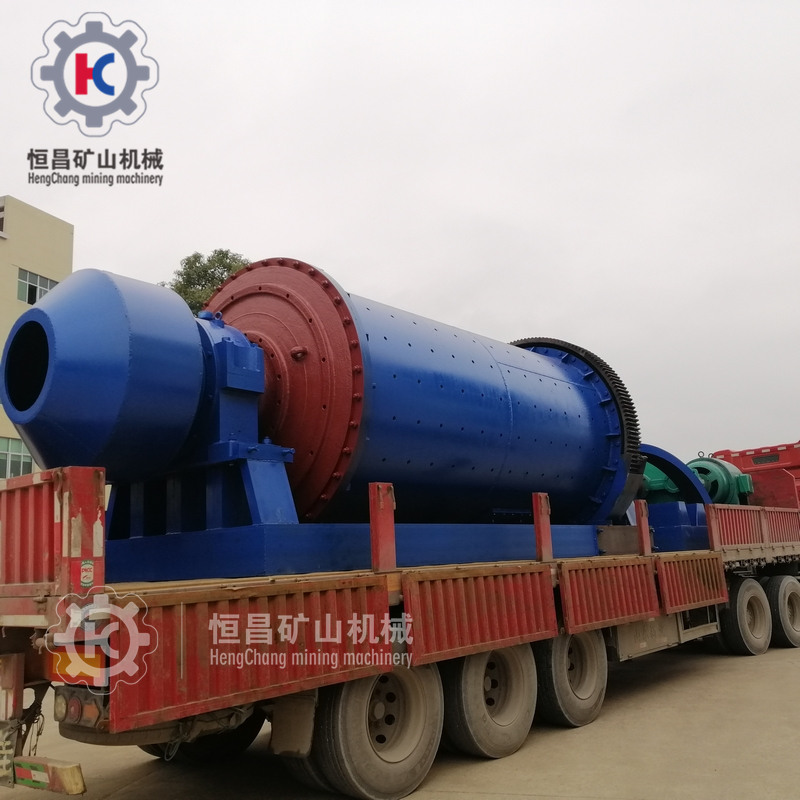
Final product: Dry zircon concentrate bagged and ready for export.
4. What Makes This Plant Special? (Structure & Features)
You want gear that lasts in Africa's heat, dust, and rain. Here's what JXSC does right:
All-steel frame: No flimsy aluminum. Welded construction that laughs at pothole transport.Modular design: Each unit is containerized. You can truck it to your site in 6 containers. Assembly takes 7-10 days.
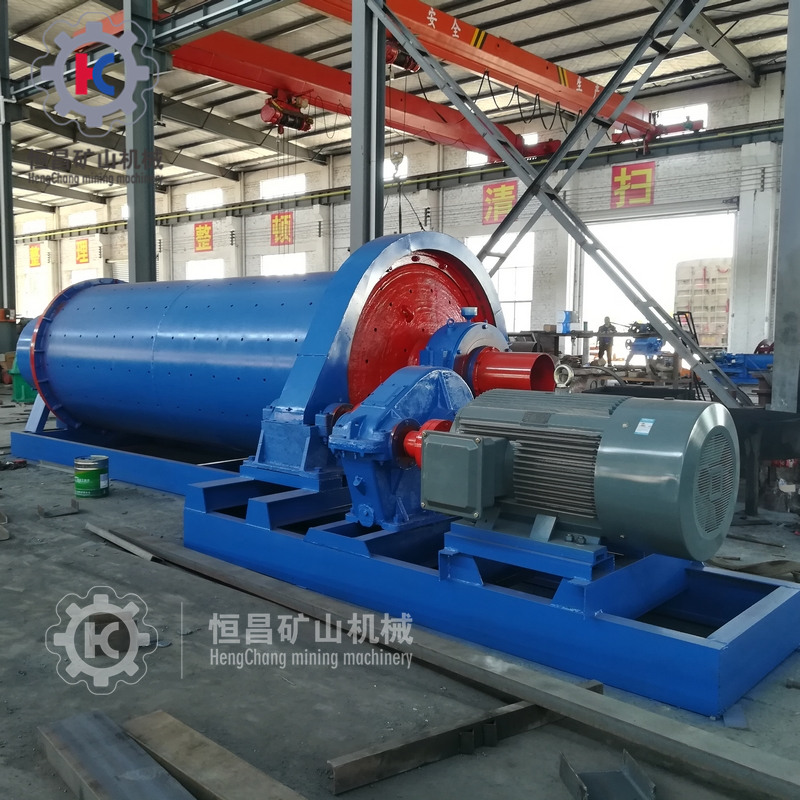
Easy access: Large inspection doors. You don't need a contortionist to check the spirals.
Low head room: Only 4 meters tall. Fits under low sheds or open sky.
5. What Ore Can You Process?
This plant isn't a one-trick pony. It handles:
Zircon sand (primary target)Rutile sand (co-product)
Ilmenite sand (co-product)
Garnet sand (co-product)
Monazite sand (rare earths, if present)
Alluvial tin/ tungsten (minor applications)
It works best on beach sands and alluvial deposits with grain sizes from 0.04-2.0 mm. If your ore is sticky clay, you'll need a scrubber upfront.
6. Why Choose This Over Competitors? (Advantages)
| Feature | JXSC 100TPH | Other Brands |
|---|---|---|
| Cost | $180,000-$250,000 FOB | $220,000-$300,000 |
| Delivery | 30-45 days | 60-90 days |
| Spare parts | Global stock (SA, Kenya) | Limited |
| Water use | 150 m³/h | 200 m³/h+ |
| Power | 350 kW | 400-450 kW |
The kicker: JXSC gives you a 2-year warranty on major parts. And their tech support responds in 4 hours (yes, we tested it).
7. Daily Operation & Maintenance
You don't need a PhD to run this plant. But you need to follow the basics:
Daily checks (30 minutes):
Visual inspection of spirals for wearCheck water flow in gravity unit
Listen for strange noises in magnetic separators
Verify concentrate grade (pans or XRF)
Weekly:
Grease all bearingsClean screens and wash boxes
Check belt tension on conveyors
Monthly:
replace worn spiral flights (if needed)Calibrate electrostatic separator gap
Pro tip from a client in Mozambique:
"We run it 22 hours/day. Stopping 2 hours for lunch and bearings grease. The plant never fails."
8. How Does It Compare to Other Equipment?
vs. Knelson concentrators: Knelsons recover fines better, but they eat power. JXSC spiral plants handle high throughput (100 TPH) cheaply.vs. Reichert spirals: Reichert is older tech. JXSC spirals have better wash water adjustments for sticky ore.
vs. Shaking tables: Tables are fine for labs. For 100 TPH, you'd need a dozen tables. Spirals do it in one pass.
Bottom line: For bulk zircon sand, the JXSC spiral-based plant wins on cost per tonne.
9. Application Scenarios Summary
| Scenario | Why JXSC 100TPH Works |
|---|---|
| Startup miner | Low capital cost, fast payback |
| Commercial sand mine | High capacity, consistent grade |
| Dry region | Closed-loop water system |
| Remote site | Containerized, easy transport |
| Byproduct recovery | Handles multiple minerals |
10. The Bottom Line
If you're looking to process 100 tonnes of zircon sand per hour in Africa, the JXSC South Africa Zircon Sand Processing Plant is a solid bet. It's rugged, simple, and profitable.
Cost estimate: $200,000-$250,000 FOB China (excl. shipping & taxes) ROI: 12-18 months at current zircon prices (~$2,500/tonne concentrate)
Need a quote or site layout? drop me a line. I've got the numbers and the contacts.
Remember: In Africa, good gear is half the battle. The other half is knowing when to grease the bearings.
Happy mining, team!