Chinese


High-Efficiency Iron Ore Processing Equipment Models, Prices & Site Cases
Introduction: Why Iron Ore Processing Equipment Matters
If you're in the mining business, you know iron ore is the backbone of modern industry. But turning raw iron ore into profitable concentrate isn't easy. You need the right equipment to crush, grind, separate, and dewater efficiently. That's where high-efficiency iron ore processing equipment comes in.
In this article, we'll walk you through the most popular equipment models, their price ranges, and real site cases from around the world. Whether you're a mine owner, a procurement manager, or a new technician, this guide will help you make smarter equipment choices.
Must-Have Equipment for Iron Ore Processing
To get high-grade iron concentrate, you typically need a complete processing line. Here are the core machines:
| Equipment Type | Key Function | Common Models | Price Range (USD) |
|---|---|---|---|
| Jaw Crusher | Primary crushing | PE-600×900, PE-750×1060 | $10,000 - $60,000 |
| Cone Crusher | Secondary/fine crushing | CS160, HPC220 | $30,000 - $150,000 |
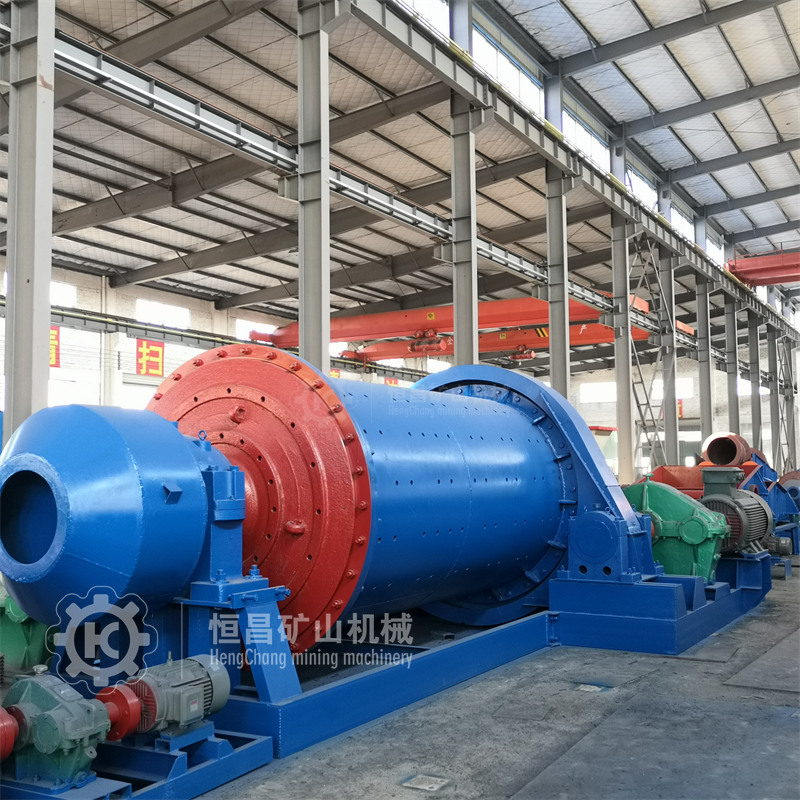
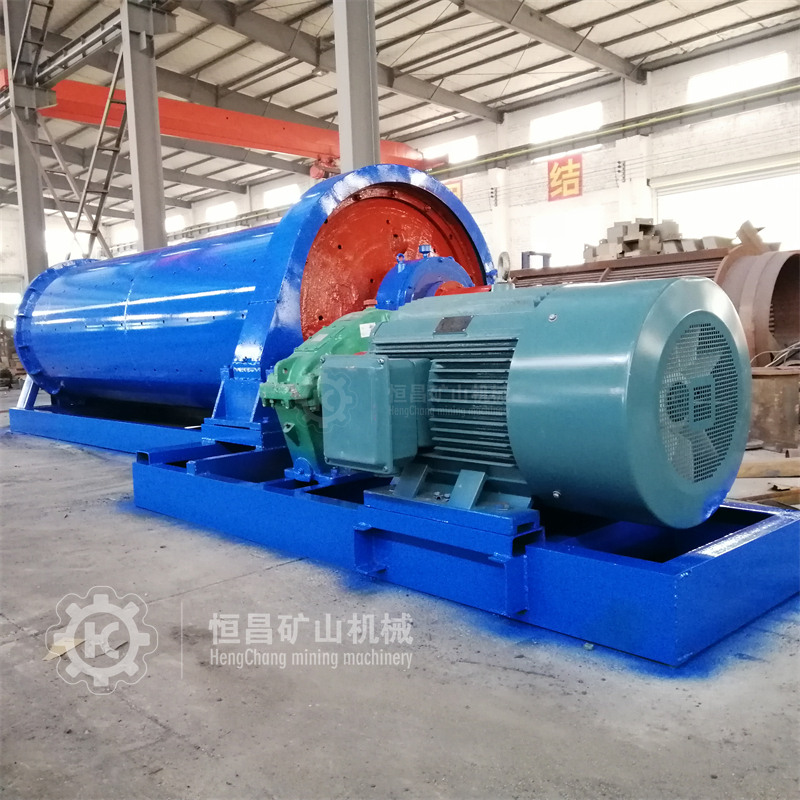
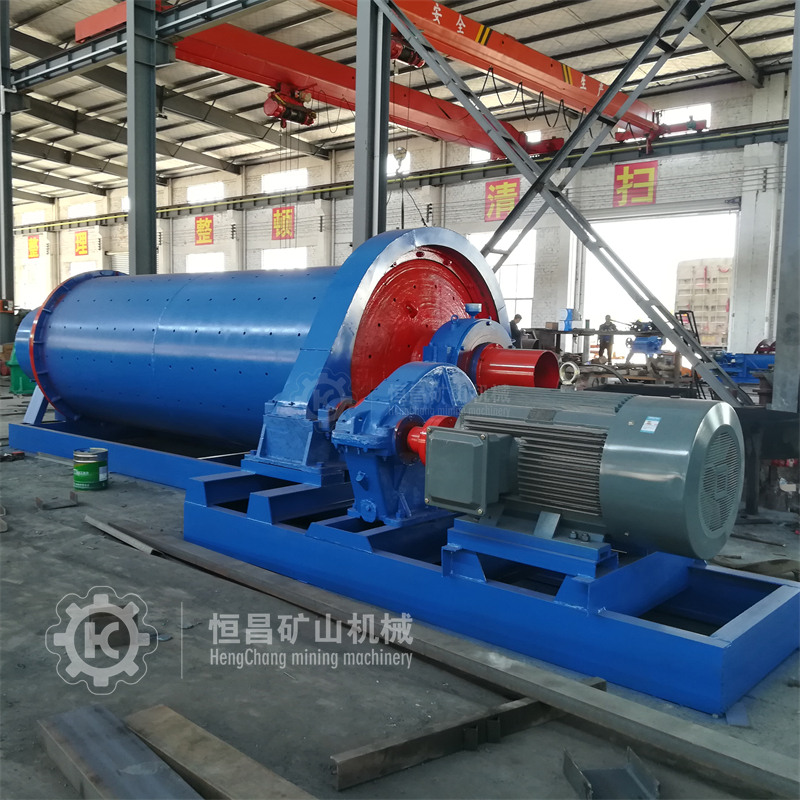
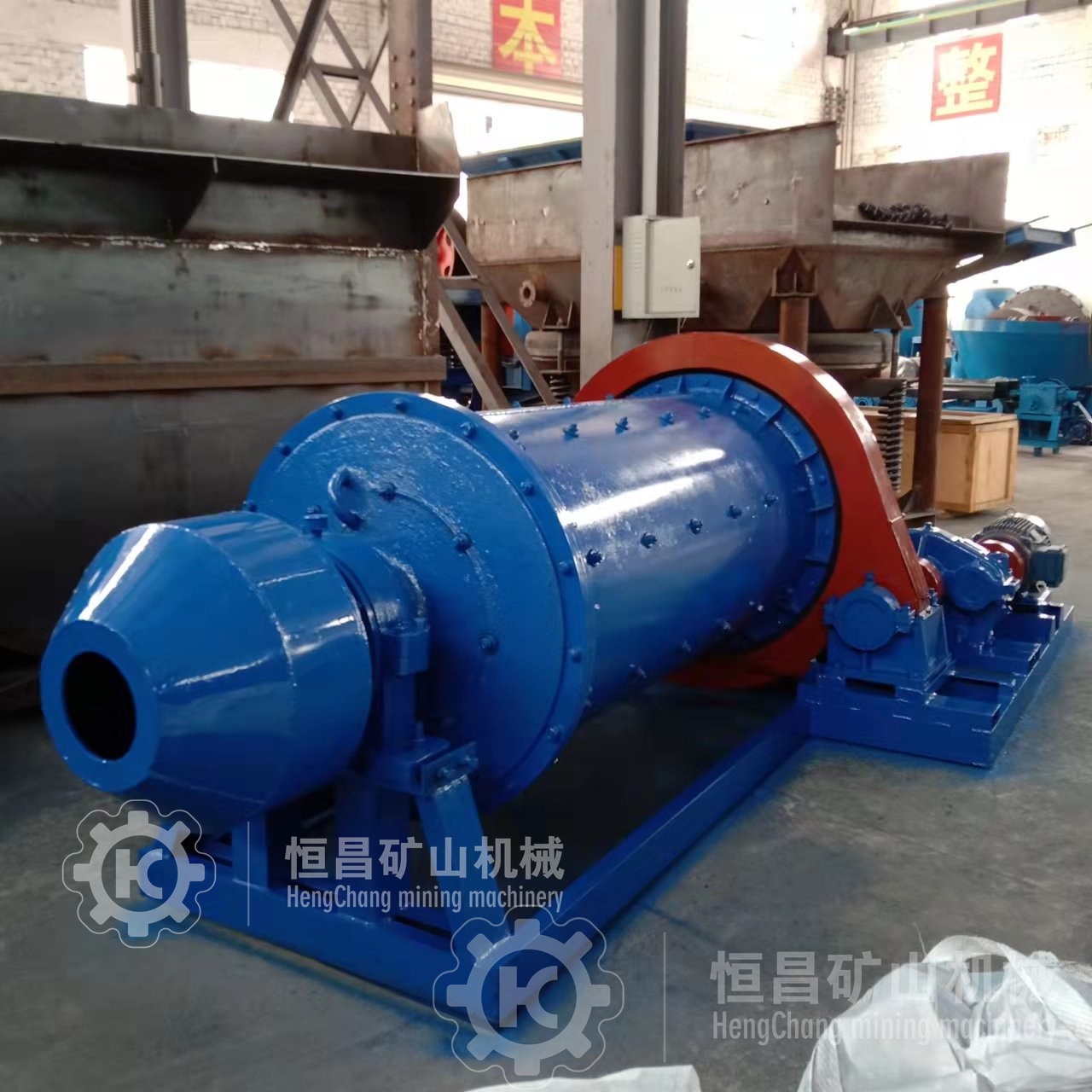
| Ball Mill | Grinding | MQG1830×6400, MQG2400×8000 | $20,000 - $200,000 |
| Magnetic Separator | Iron separation | CTB-1024, CTB-1230 | $5,000 - $30,000 |
| Flotation Machine | Fine particle recovery | SF-4, JJF-8 | $8,000 - $50,000 |
| Thickener | Dewatering | NZS-12, NZS-18 | $10,000 - $80,000 |
Note: Prices vary based on capacity, customization, and brand. For example, a complete iron ore processing line (50-100 tph) can cost between $200,000 to $1,000,000.
Real-World Site Cases: How Efficient Equipment Works
Case 1: Australia – Large-Scale Hematite Processing
A major Australian mine processes 500 tons per hour of hematite ore. They use:
Primary jaw crusher (PE-1200×1500) for coarse breakingTwo cone crushers (HPC400) for secondary crushing
Wet magnetic separators (CTB-1540) to recover iron concentrate
Result: Concentrate grade reaches 64% Fe with 85% recovery. Monthly production: 350,000 tons.
Case 2: India – Low-Grade Magnetite Upgrading
An Indian plant processes 200 tph of low-grade magnetite (25% Fe). Their line includes:
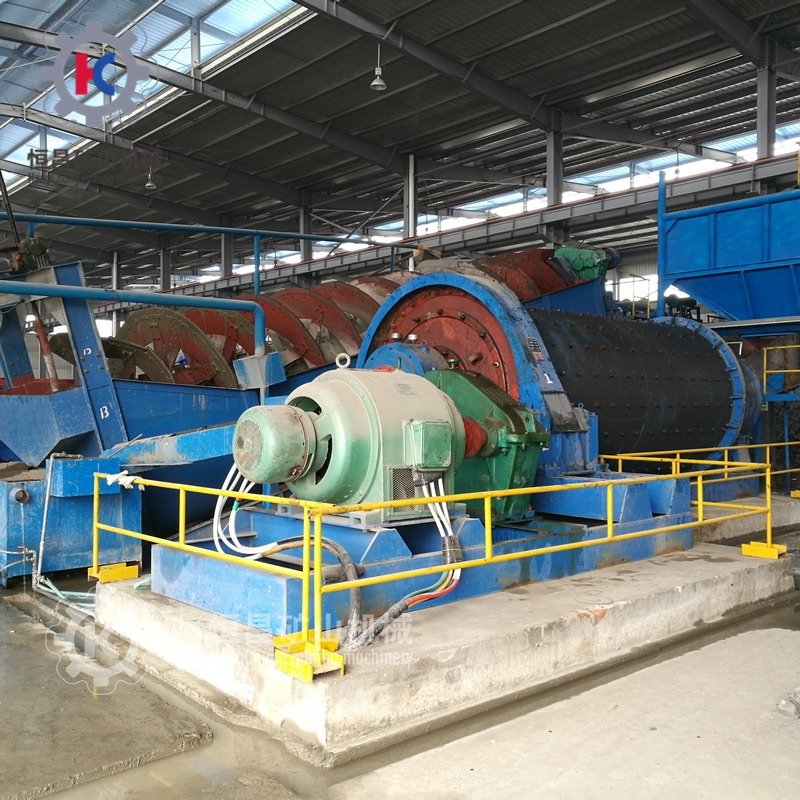
Three-stage magnetic separation (CTB-1230)
Vacuum filter for dewatering
Result: Final concentrate grade: 60% Fe, recovery: 90%. The plant reduced energy consumption by 15% compared to old equipment.
Case 3: Brazil – Hard Ore Crushing & Grinding
Brazilian iron ore is often hard and abrasive. One site uses:
Gyratory crusher for primary stageHP cone crushers for fine crushing
SAG mill + ball mill for grinding
Result: Product P80 (80% passing size): 0.074mm. Throughput: 300 tph with stable operation.
Key Selection Criteria for Iron Ore Equipment
1. Ore Type Matters
Magnetite: Best processed with magnetic separators. Low cost, high efficiency.Hematite: Needs gravity separation or flotation. More complex but valuable.
Limonite/Siderite: May require roasting or high-intensity magnetic separation.
2. Capacity & Particle Size
Don't oversize or undersize your equipment. A common mistake: buying a crusher too small, causing bottleneck. Always calculate required capacity with a 10-15% margin.
3. Energy Consumption
Energy is your biggest operational cost. Modern equipment like high-efficiency ball mills with ceramic liners can cut power use by 20-30%.
Price Breakdown: What You Get for Your Money
Here's a rough price guide for typical iron ore equipment:
Jaw crusher (small scale, 10-30 tph): $8,000 - $25,000Cone crusher (medium scale, 50-100 tph): $40,000 - $120,000
Ball mill (50-100 tph): $30,000 - $180,000
Magnetic separator (single unit): $4,000 - $15,000
Complete processing line (100 tph): $300,000 - $800,000
Pro tip: Always request a site survey before buying. Equipment efficiency depends on your specific ore characteristics.
Advantages of Modern High-Efficiency Equipment
Higher recovery rate: Advanced magnetic separators can recover >95% of magnetiteLower operating costs: Energy-efficient motors and wear-resistant materials save money long-term
Automated control: PLC systems allow remote monitoring and fine-tuning
Flexible configuration: Can be adapted for different ore types and capacity requirements
Daily Operation & Maintenance Tips
Maintaining your equipment is key to prolonging its life and ensuring consistent output:
Crushers: Check wear parts daily. replace liners when thickness drops below 50% of original.Ball mills: Monitor bearing temperature. Keep lubricant levels adequate.
Magnetic separators: Clean the drum surface weekly to maintain magnetic field strength.
Flotation cells: Check impeller condition every 500 hours.
How to Choose Between Equipment Types
| Scenario | Recommended Equipment | Why? |
|---|---|---|
| High-grade hematite (>35% Fe) | Wet magnetic separators | Simple, low cost |
| Low-grade magnetite (<25% Fe) | Three-stage magnetic separation | High recovery |
| Fine-grained ore (<0.1mm) | Flotation cells | Handles small particles |
| Abrasive ore | HP cone crushers | Wear-resistant design |
Summary & Final Recommendations
Choosing high-efficiency iron ore processing equipment isn't just about price. It's about matching the right machine to your ore type, capacity, and budget.
Do your research: visit sites using similar equipment, ask for site cases, and compare quotes from multiple suppliers.
Need help with your specific iron ore project? Many manufacturers offer free process design and equipment selection assistance. This is invaluable for new miners or those upgrading older plants.
Remember: the right equipment today means higher profits tomorrow.
Want to learn more about iron ore processing equipment or need a custom quote? Feel free to reach out to trusted suppliers with experience in your region.