Chinese


Best Iron Ore Processing Equipment for High Recovery Rates in 2025
If you’re in the iron ore mining business, you know that recovery rate isn’t just a number—it’s the difference between a profitable operation and a struggling one. As we hit 2025, the pressure is on to get more iron out of every ton of ore fed into the mill. The right equipment can make or break your bottom line.
Let’s be real: there’s a ton of options out there. Mag separators? Spiral chutes? Jigs? Shaking tables? Flotation cells? It’s easy to get lost in the noise. That’s why I’m going to break down what’s actually working best right now, focusing on gear that’s proven to boost recovery rates without turning your plant into a maintenance nightmare.
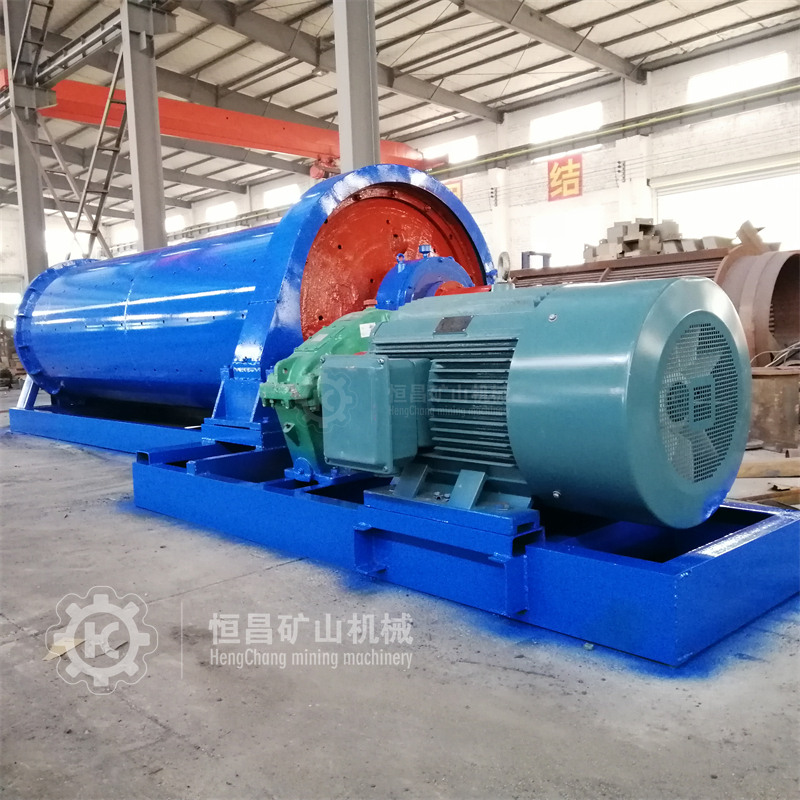
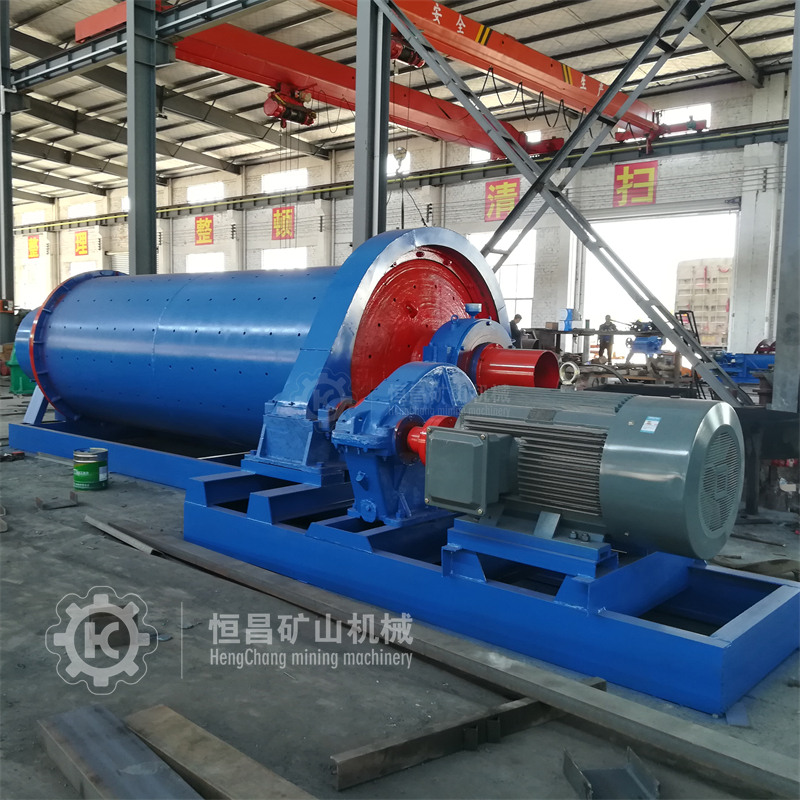
We’ll talk about the Jiangxi Hengchang Mining Machinery equipment—a name that’s been popping up more and more in the field, especially for producers looking for reliable, high-yield solutions without breaking the bank.
Why Recovery Rate Matters More Than Ever in 2025
Here’s the thing: iron ore grades are dropping globally. We’re not seeing the 60%+ Fe content ores like we used to. More processing is needed to get to market-grade concentrate. Every percentage point of recovery you lose is money straight down the drain.
A 1% improvement in recovery on a 2-million-ton-per-year plant? That’s an extra 20,000 tons of iron. At current market prices, that’s serious cash.
So what equipment actually delivers in 2025? Let’s walk through the key machines.
1. High-Gradient Magnetic Separators (HGMS) – The Workhorse
What It Does
HGMS is your go-to for recovering fine-grained hematite, limonite, and siderite. It uses high-intensity magnetic fields to pull weakly magnetic iron minerals from non-magnetic gangue.
How It Works
The ore slurry passes through a matrix of steel wool or plates. The magnetic field is cranked up high—anywhere from 1.5 to 2.5 Tesla. Iron particles get trapped in the matrix, and the non-magnetic waste flows out. Then you flush the matrix to recover the iron concentrate.
Structure Features
Matched magnetic circuit design – ensures uniform field distribution and no “dead zones”Automated flush system – self-cleaning cycle means less downtime
All-stainless steel contact parts – handles abrasive slurries without rusting
Compact footprint – fits into existing plants without major rework
Where It Shines
This machine is ideal for:
Low-grade hematite ore (25-40% Fe)Limonite and siderite (weakly magnetic, hard to float)
Fine particle recovery (below 200 mesh)
Tailings re-processing – often recovers 5-10% more iron from old tailings piles
Processing Capacity
For a standard 1200mm diameter HGMS, you can expect:
Throughput: 10-50 tons per hour (depends on ore type and fineness)Recovery rate: 85-95% for hematite at feed grades of 30-40% Fe
Power consumption: 0.5-1.5 kWh per ton processed
Comparison with Other Equipment
| Equipment | Recovery Rate (Hematite) | Best For | Drawback |
|---|---|---|---|
| HGMS | 85-95% | Fine, weakly magnetic ores | High upfront cost |
| Dry drum magnetic separator | 60-75% | Coarse, strongly magnetic magnetite | Poor with fines |
| Spiral chute | 70-85% | Medium-sized particles | Slow with fine slimes |
| Flotation cells | 75-90% | Silica removal, cleaner concentrates | Chemical costs, sludge disposal |
Maintenance Tips
Check matrix steel wool condition monthly – replace when clogged or brokenClean magnetic coils every 3 months – dust buildup reduces field strength
Inspect flush valves weekly – blockages cause carryover of magnetic particles
Keep slurry pH between 6.5-8.5 to prevent corrosion of internals
2. Spiral Chutes – Low-Shear Gravity Separation
What It Does
Spiral chutes are gravity concentrators that separate iron minerals from waste based on density difference. No chemicals, no moving parts—just water and gravity.
How It Works
The slurry is fed at the top of a spiral-shaped channel. As it flows down, heavier iron minerals move to the inner edge, lighter gangue moves outward. Split points at the bottom divert concentrate, middlings, and tailings.
Structure Features
Polyurethane or rubber-lined – lasts 3-5 years even with abrasive oreAdjustable splitter boxes – fine-tune concentrate grade in minutes
Modular design – stack multiple spirals in a single column to save floor space
Self-leveling feed system – ensures even distribution to each spiral
Where It Shines
Coarse hematite and magnetite (0.5-3mm particle size)Low-silica ore where density difference is high
Pre-concentration – can reject 30-50% of waste before grinding
Water-scarce sites – operates with minimal water (0.5-1 m3/ton)
Processing Capacity
Per spiral start (one channel):
A single column of 12 spirals = 12-36 tons per hour
Recovery rate: 70-85% for hematite at 1-2mm feed size
3. Jig Concentrators – Simple, Reliable, Effective
What It Does
Jigs separate ore by density using a pulsing water stream. They’re one of the oldest pieces of mineral processing equipment but still relevant—especially in 2025 when energy costs are high and you need a low-power option.
How It Works
The jig has a screen bed where ore sits. Water pulses up and down. Heavier iron particles sink and pass through the screen into the concentrate compartment. Lighter gangue stays on top and gets washed out.
Structure Features
Diaphragm or air-pulsed – air-pulse jigs are more efficient for fine materialAutomatic discharge – no need to manually rake concentrate
Wear-resistant bed – manganese steel or rubber sets last months
Small footprint – one machine can replace a small buttery system
Where It Shines
Complex ores with high silica contentSand-size iron ore (0.5-8mm)
Magnetite-hematite blends
Remote locations – no chemicals, low power consumption
Processing Capacity
Small jig (model JT1010): 5-10 tons per hourMid-size jig (model JT1515): 15-25 tons per hour
Large jig (model JT2020): 30-50 tons per hour
Recovery rate: 80-90% for magnetite, 70-85% for hematite
Maintenance Tips
Check diaphragm or rubber seals every week – air leaks kill performanceClean pulse valves monthly – mineral scale buildup restricts airflow
replace screen mats every 3-6 months – wear is normal, don’t wait for breakage
Keep water pressure stable – fluctuations cause poor separation
4. Shaking Tables – For Final Cleaner Concentrate
What It Does
Shaking tables give you the highest grade concentrate possible—often 65-68% Fe for hematite. They use a combination of gravity and lateral vibration.
How It Works
The table vibrates forward while water flows across it. Heavy iron minerals move along the front edge and get collected. Lighter gangue is washed down the side.
Structure Features
Deck material – fiberglass or aluminum-alloy decks are lightweight and durableAdjustable amplitude – dial in the stroke length for different ore sizes
Riffle height adjustment – change depth of water film for finer separation
drop-down side rails – easy access for cleaning
Where It Shines
Polishing of final concentrate – upgrading from 55% to 65%+ FeSmall to medium throughput plants (under 50 tons per day)
High-value concentrates – producing direct-reduced iron (DRI) grade
Processing Capacity
Standard 6S or LY table: 0.5-1.5 tons per hourRecovery rate: 85-95% for fine hematite
Putting It All Together – The Best Iron Ore Processing Line in 2025
Here’s a typical flow sheet from Jiangxi Hengchang Mining Machinery that I’ve seen deliver 90%+ recovery consistently:
Crushing plus grinding to -200 mesh (80% passing)HGMS as rougher – recovers 85-95% of hematite
Spiral chutes as scavenger – catches any leftover coarse iron
Shaking tables as cleaner – bumps concentrate grade to 65%+
Jig to handle middlings – no need to re-grind
This setup gives you:
Total recovery: 88-92%Final concentrate grade: 63-66% Fe
Tailings loss: under 8%
Equipment Selection Tips for 2025
If your ore is mostly hematite below 200 mesh – start with HGMS, it’s your best betIf you have high silica and coarse ore – use jigs or spirals before fine grinding
If water is a problem – consider dry magnetic separators for magnetite
If you want lowest operating cost – spirals and jigs have no moving parts and no chemicals
If you need highest grade – shaking tables or flotation cells for final cleanup
Summary – What’s the Best Choice?
Look, there’s no single “magic bullet” machine. But if I were setting up a plant today in 2025, I’d center it around a high-gradient magnetic separator for the main recovery step. Then add a spiral chute or jig for coarse particles, and a shaking table for final polish.
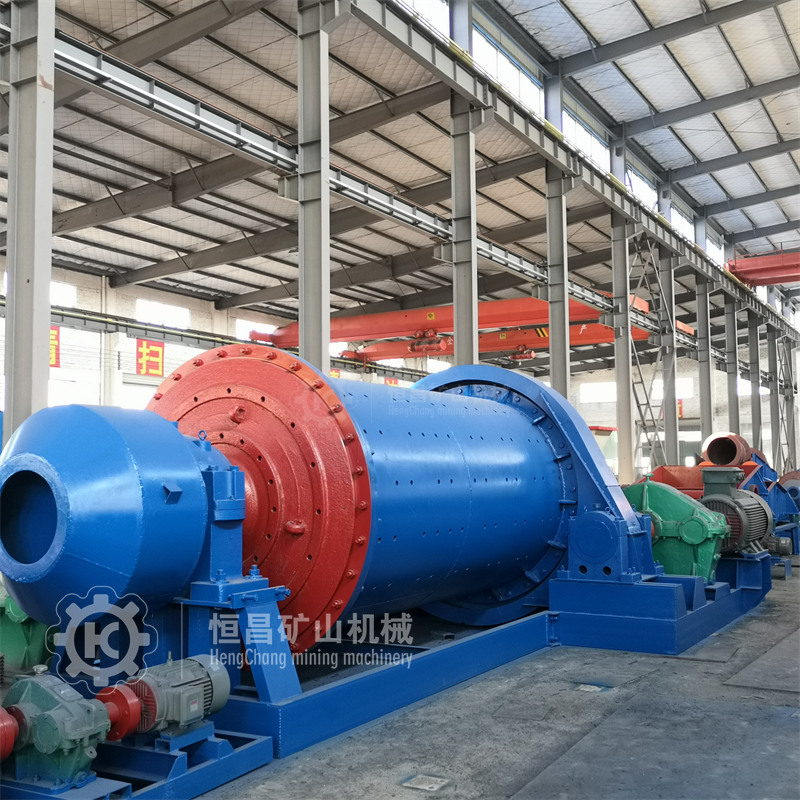
The Jiangxi Hengchang Mining Machinery gear is worth a look – I’ve seen their equipment in action in mines across Asia and Africa, and the build quality holds up even with abrasive ore. Plus their technical team is responsive if you need help with mining equipment selection.
Remember: recovery rate is where the money hides. Invest in the right equipment up front, and you’ll see it come back tenfold in higher yields.
Got a specific ore type or throughput you’re working with? drop a comment or reach out to the Hengchang team – they do custom testwork to find your optimal flowsheet.