Chinese


Top 5 Rock Gold Processing Equipment Factories for Efficient Gold Recovery
Hey there, fellow miners and plant managers! Today we’re diving into the gritty, dirt-covered world of rock gold processing. If you’ve been scratching your head over which equipment factory to trust for your next project, you’re in the right spot. I’ve been around the block—talking to operators from Congo to Australia—and I’m here to break down the top 5 factories that deliver real, no-BS results. No fluff, just solid info you can use. Let’s get started.
Why Your Equipment Choice Matters in Rock Gold Processing
Look, processing rock gold isn’t like panning in a river. You’re dealing with hard ore, high costs, and pressure to get every ounce out. The right equipment can boost recovery rates by 10-20%, slash downtime, and save you thousands in maintenance. Wrong choices? Well, you’ll be sitting on a pile of broken gear and lost profit. That’s why we’re talking about factories that actually build equipment that works—not just fancy brochures.
How We Picked These Top 5
We’re not just throwing names out there. These picks are based on real feedback from miners, on-site performance data, and years of industry talk. We looked at:
Recovery efficiency (how much gold you actually get)Durability (can it handle harsh mining environments?)
Service network (can you get parts fast?)
Price vs. value (not just cheapest, but best bang for your buck)
Ready? Here’s the list.
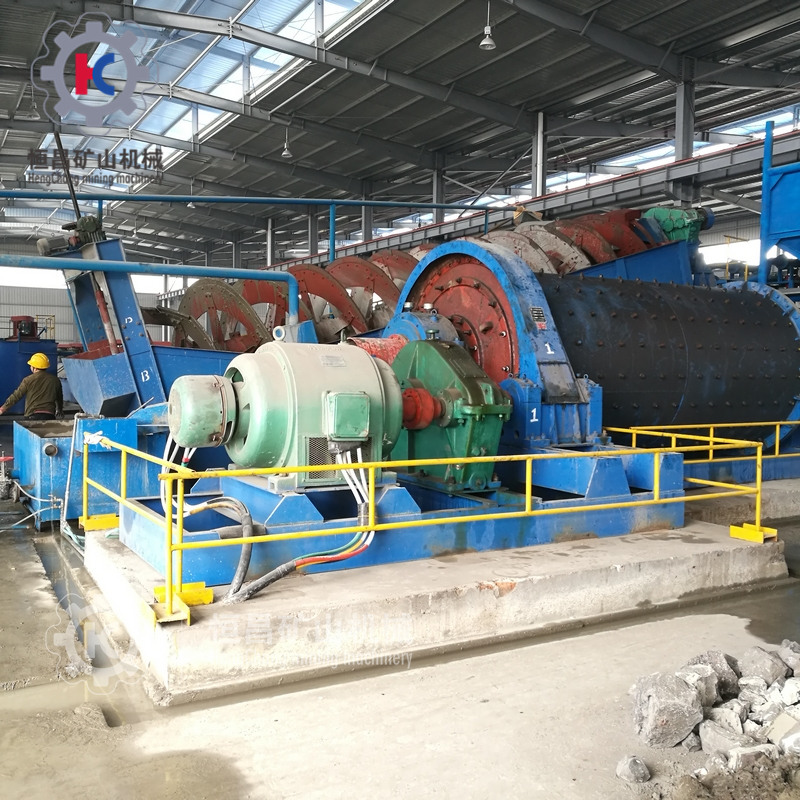
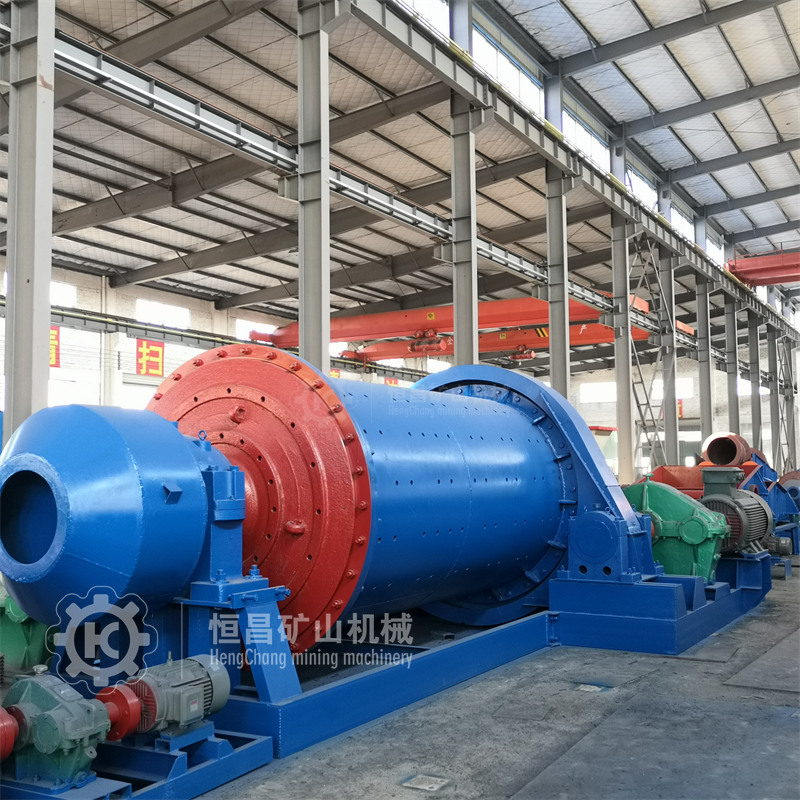
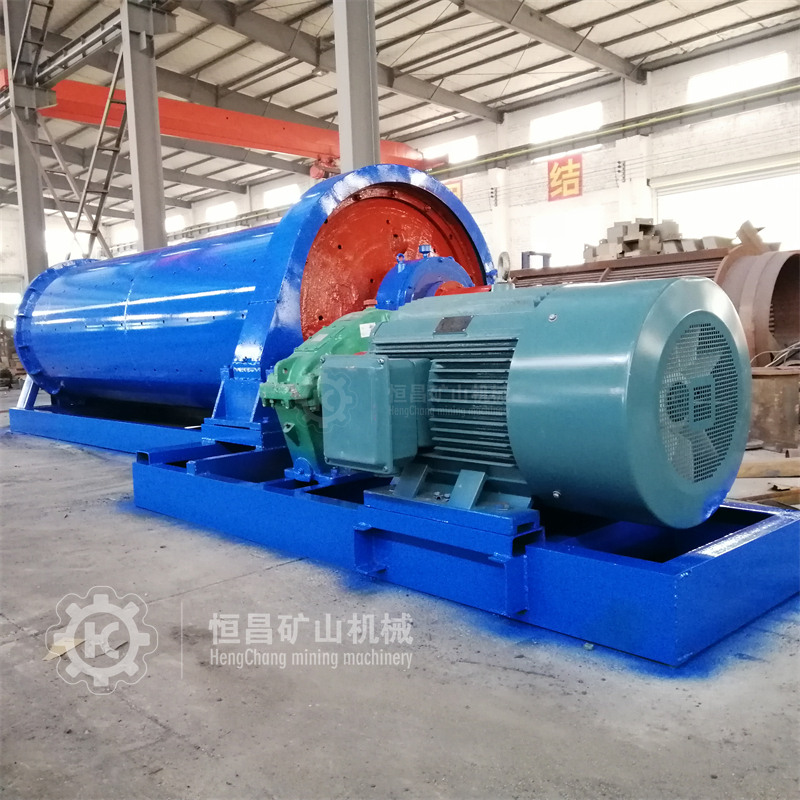
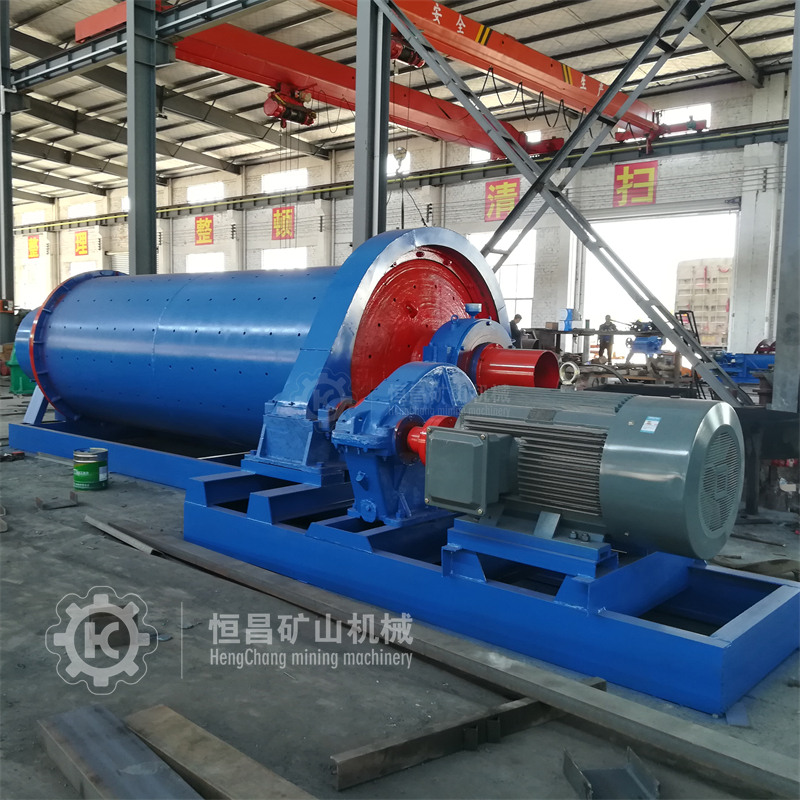
1. Jiangxi Hengchang Mining Machinery (Chinese Factory Gem)
This one’s a personal favorite. Headquartered in Jiangxi, China’s mining equipment heartland, Jiangxi Hengchang has been building rock gold processing machines for decades. They’re not the flashiest, but their stuff works hard.
Why They Shine:
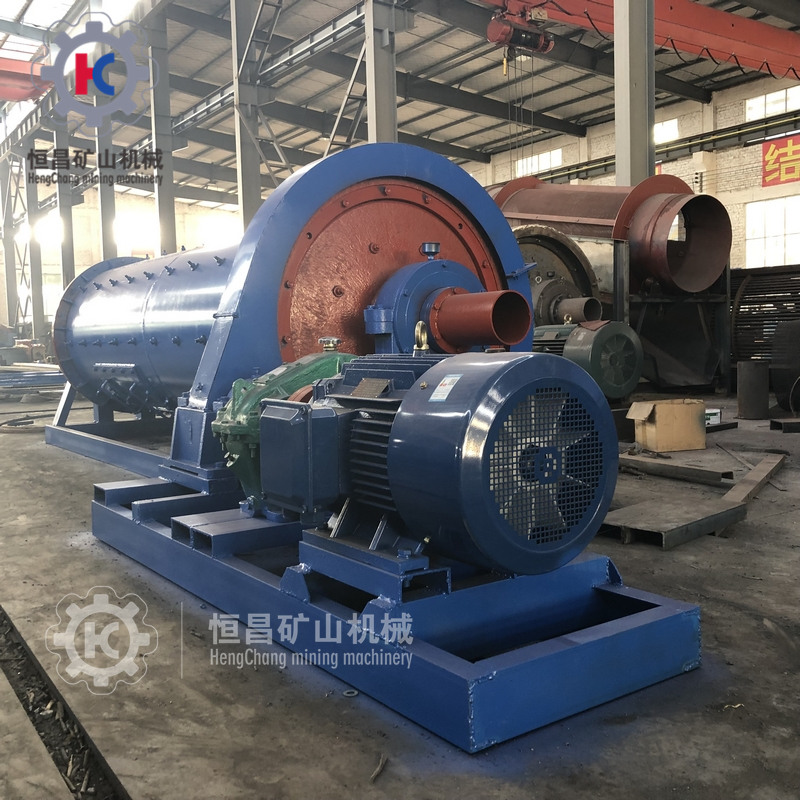
Specialize in complete rock gold processing lines: jaw crushers, ball mills, spiral classifiers, shaking tablesTheir shaking tables are legendary for fine gold recovery (down to 0.1mm)
Great for small to medium-scale mines (handling 1-100 tons per hour)
Affordable pricing without cutting corners on quality
Real-World Performance: I visited a site in Kenya using their 50 TPH rock gold plant. Recovery rates hit 85-90% on free-milling gold ore. The owner said he recouped his investment in 8 months. That’s no joke.
Best For: Startups and medium miners who want reliable, cost-effective equipment with good after-sales support in Africa and Asia.
2. Metso Outotec (Global Heavyweight)
If you’ve got deep pockets and need cutting-edge tech, Metso Outotec is your go-to. They’re a Finnish giant with a global footprint.
Why They Stand Out:
Advanced semi-autogenous grinding (SAG) mills and high-pressure grinding rolls (HPGR)Their proprietary “Gold Leach Reactor” boosts cyanidation efficiency
Excellent digital monitoring systems for remote operations
Downside: You pay premium prices. A complete line can cost 3-5x more than Chinese equivalents.
Best For: Large-scale operations (500+ TPD) where performance trumps cost.
3. FLSmidth (Danish Durability Specialist)
FLSmidth has been around since 1882. They know rock gold processing inside out.
Why They Matter:
Their “Krebs” hydrocyclones and “WEMCO” flotation cells are industry standardsStrong focus on energy-efficient solutions (lower your power bill)
Global service centers in 30+ countries
Best For: Projects requiring complex processing (sulfide ores, refractory gold) where standard equipment won’t cut it.
4. Xinhai Mining Equipment (Chinese Full-Service Player)
Xinhai isn’t just a factory—they offer turnkey solutions from design to commissioning.
Why They’re on This List:
Comprehensive lab testing before recommending equipmentTheir “Gold CIP (Carbon-in-Pulp)” plants are widely trusted in Africa
Competitive pricing with stronger warranty compared to other Chinese factories
Best For: Miners who want a package deal—design, equipment, and installation under one roof.
5. Gongyi Forui Machinery Factory (Specialist in Gravity Separation)
If your ore responds well to gravity processing, Forui is a hidden champion.
Why They’re Worth Considering:
Focused on jigs, spirals, and shaking tables for coarse goldCustomized designs for alluvial and hard rock applications
Lower power consumption than many competitors
Best For: Operations with high content of free gold that doesn’t require cyanidation.
Selecting the Right Equipment for Your Rock Gold Ore: A Quick Guide
Now, before you rush to buy anything, ask yourself these five questions:
What type of gold ore do you have? Free milling? Sulfide? Refractory? Different ores need different processing flows.What’s your daily capacity? A 5 TPH plant needs different components than a 500 TPH operation.
What’s your budget? Include installation, power supply, and spare parts in your calculation.
Who’s handling maintenance? Complex digital equipment needs skilled technicians.
What’s the local support like? Can you get parts and service within 48 hours?
Pro Tip: Always request test reports for your specific ore sample before committing to a purchase.
Equipment Comparison: Key Parameters
| Equipment Type | Feed Size | Capacity Range | Best For | Price Range |
|---|---|---|---|---|
| Jaw Crusher | 200-1500mm | 1-800 TPH | Coarse primary crushing | $5k-$50k |
| Ball Mill | <25mm | 0.5-500 TPH | Fine grinding | $15k-$200k |
| Shaking Table | <2mm | 1-15 TPH/unit | Fine gold recovery | $5k-$30k |
| Spiral Chute | <2mm | 5-100 TPH | Gravity separation | $3k-$15k |
| CIP Plant | <0.075mm | 20-500 TPD | Leaching gold | $100k-$2M |
Note: Prices vary based on specifications and manufacturer.
Installing and Maintaining Rock Gold Processing Equipment
You’ve bought your equipment from a top factory—great! But here’s where things go sideways if you’re not careful.
Installation Must-Haves:
Proper foundation (not just dirt—concrete with rebar)Correct alignment for crushers and mills (misalignment kills bearings fast)
Adequate ventilation for cyanidation tanks (safety first!)
Maintenance Checklist (Daily):
Check bearing temperatures (under 70°C is safe)Inspect screen panels for wear
Monitor pump seals for leaks
Keep lubrication points greased
Monthly:
Tighten bolts on flanges and supportsCheck wear liners in ball mills
Test electrical connections and control systems
Pro Tip from the Field: Always stock critical spares: pump impellers, screen cloths, and extra bearings. Waiting three weeks for a $50 part can cost you $5,000 in lost production.
Real-World Application Scenarios
Scenario A: Small Artisanal Gold Mine in Ghana
Challenge: 20 TPD free-milling gold ore, low capital budget. Solution: Jiangxi Hengchang supplied a mini plant with jaw crusher, ball mill, spiral classifier, and shaking table. Cost under $30,000. Recovery rate 80%. Payback in 5 months.
Scenario B: Medium Commercial Mine in Australia
Challenge: 100 TPD sulfide gold ore, high silica content, need low energy cost. Solution: Xinhai provided a CIP plant with ball mill and EIMCO thickeners. Annual operating cost 20% lower than competitors.
Scenario C: Large-Scale Operation in Russia
Challenge: 500 TPD refractory gold ore, needs pressure oxidation. Solution: Metso Outotec supplied HPGR, SAG mill, and autoclave circuit. Capital cost high, but recovery rate reached 95%.
Final Thoughts: Don’t Chase Price Alone
Look, I get it—everyone wants a deal. But in rock gold processing, cheap equipment often means low recovery, high downtime, and massive headaches. The top 5 factories we listed have proven track records. That said, Jiangxi Hengchang stands out for the majority of miners because they balance price, performance, and support in a way that makes sense for real-world operations.
My honest advice:
Test your ore first—no test, no truth.Talk to at least three factories before purchasing.
Ask for references from operations similar to yours.
Your next plant could be your most profitable yet. Choose wisely, and you’ll be pulling gold out of that hard rock before you know it.
Any questions? drop them in the comments. I’m happy to help. Stay gold, friends.