Chinese


250 TPD Tungsten Ore Processing Plant Payback Period: How to Estimate Real CAPEX, Operating Costs, Recovery Rates, and Profit Scenarios for Investors
A 250 TPD tungsten ore processing plant can pay back in 8 months—or bleed cash for 5 years. The difference is not the color of the equipment. It’s the numbers you put into the spreadsheet.
If you’re an investor, mine owner, or project manager looking at a 250-ton-per-day tungsten project, you’ve probably seen a broker’s “quick payback” estimate. Let’s be blunt: most of those estimates are too pretty. They ignore real CAPEX, hidden OPEX, poor recovery, and tungsten price swings.
This article breaks down how to estimate a realistic payback period for a 250 TPD tungsten processing plant. We’ll cover real CAPEX, operating costs, recovery rates, profit scenarios, and actual domestic and international cases. We’ll also show where Jiangxi Hengchang Mining Machinery Equipment fits into the picture—because equipment selection can make or break your payback.
What Does 250 TPD Actually Mean?
250 TPD means 250 tonnes of ore per day. If you run 24 hours, that’s about 10–12 tonnes per hour. It’s a small-to-mid scale plant.
It fits:
Small underground tungsten minesPilot-to-production projects
Tailings reprocessing
Low-grade stockpiles
Remote deposits with limited power and water
Tungsten ore is not uniform. You’re usually dealing with wolframite or scheelite. Wolframite is often gravity-separated. Scheelite usually needs flotation. Some ores need both.
Your flowsheet depends on mineralogy, liberation size, and slime content. Guess wrong, and your recovery drops. Recovery drops, payback stretches.
Real CAPEX for a 250 TPD Tungsten Plant
CAPEX is where investors get fooled. A “cheap” plant quote often excludes civil works, power, tailings, water, and working capital.
Here’s a realistic range for a 250 TPD tungsten processing plant:
| Item | Typical Range (USD) |
|---|---|
| Crushing & grinding | $250,000 – $500,000 |
| Gravity separation / flotation | $200,000 – $450,000 |
| Thickening, filtration, drying | $150,000 – $300,000 |
| Civil, electrical, piping, water | $250,000 – $600,000 |
| Tailings & environmental | $150,000 – $400,000 |
| Engineering, installation, commissioning | $200,000 – $500,000 |
| Contingency (20–30%) | $250,000 – $600,000 |
| Total CAPEX | $1.2M – $3.5M |
Add working capital for 3–6 months of OPEX. That’s another $200,000–$600,000.
Used equipment can cut 30–40% off the equipment line. But used equipment often brings downtime, spare-part delays, and recovery losses. That “saving” can cost you more than a new plant.
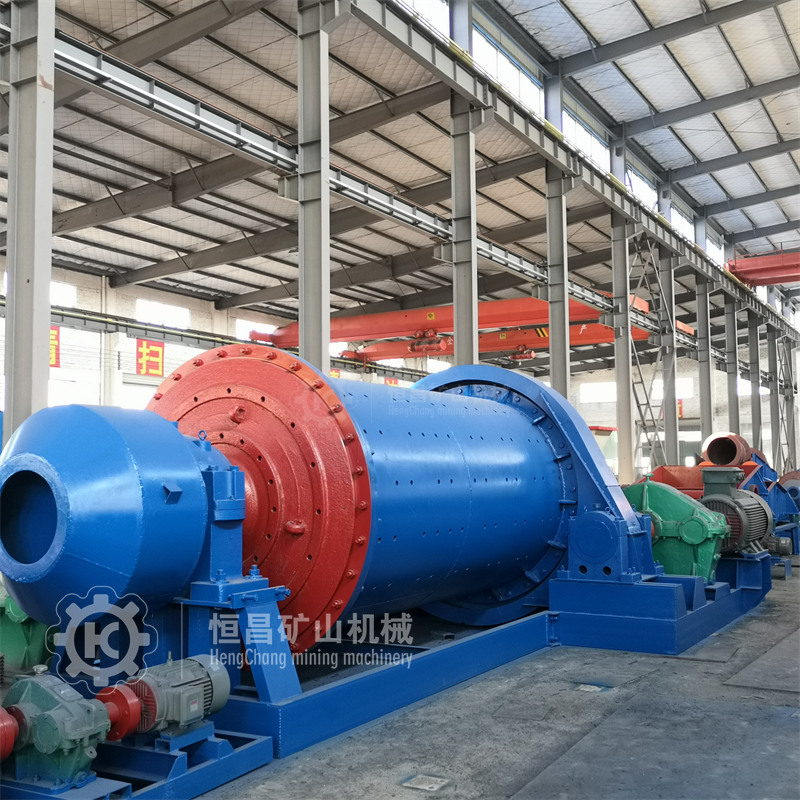
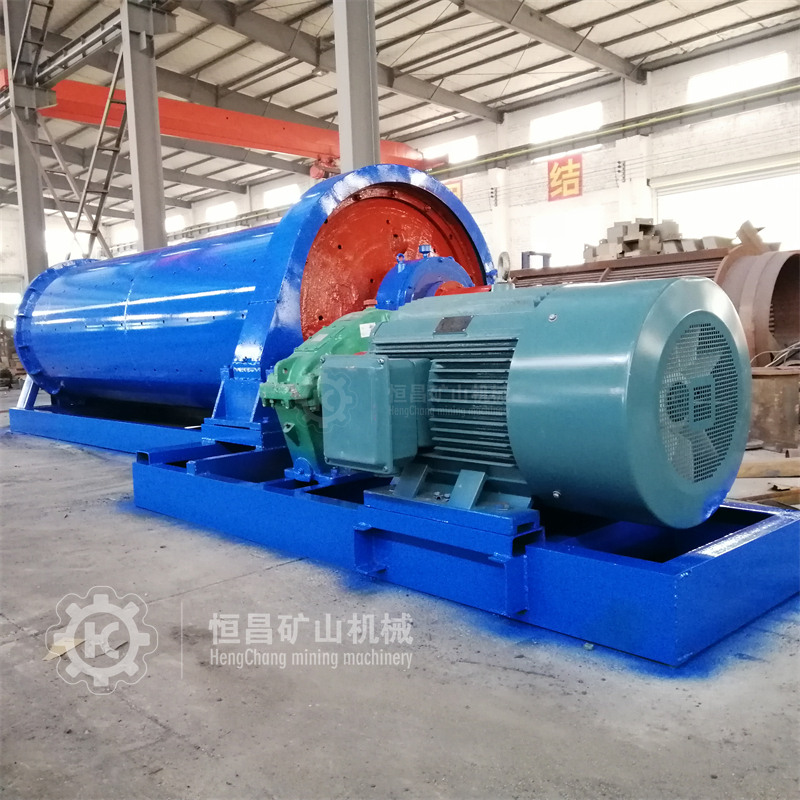
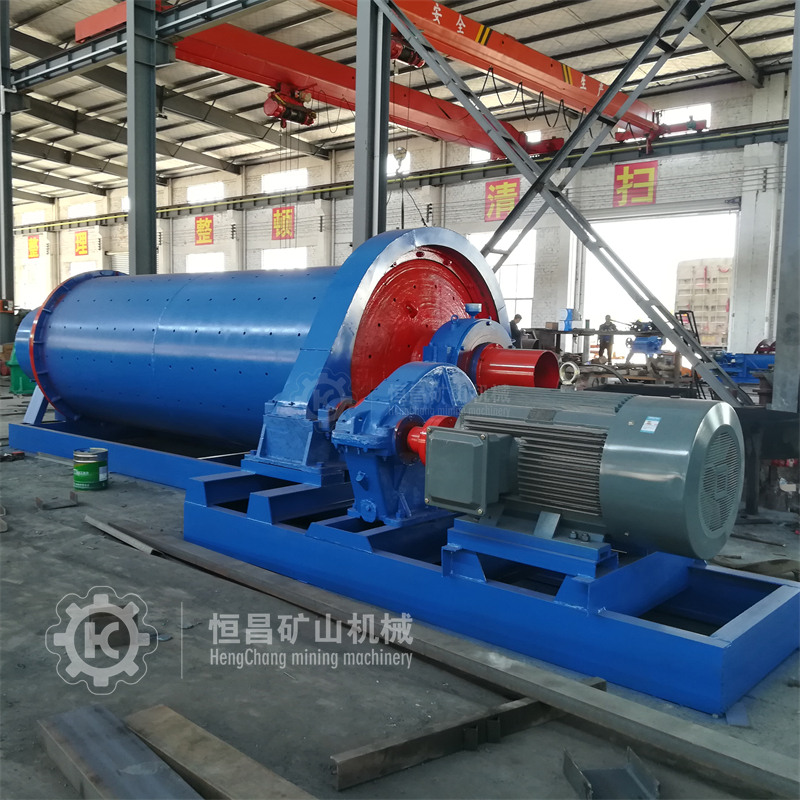
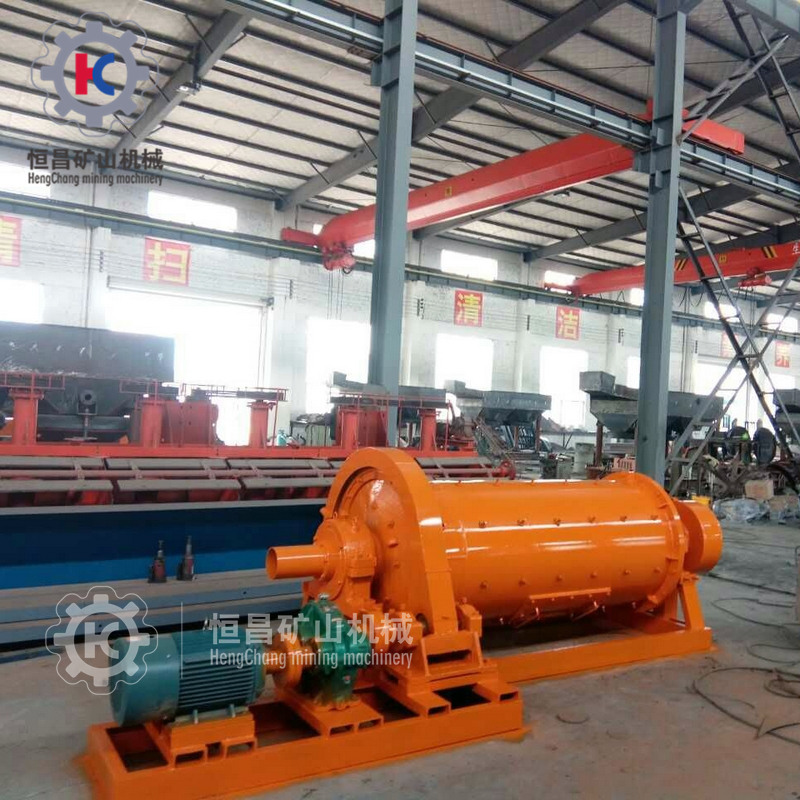
A reliable partner like Jiangxi Hengchang Mining Machinery Equipment can provide process design, equipment, installation, and commissioning as a package. That reduces the hidden integration costs that kill small projects.
Operating Costs: Where the Money Leaks
OPEX for a 250 TPD tungsten plant usually runs $30–$65 per tonne. If you include mining, add another $20–$50 per tonne.
Here’s a breakdown for plant-only OPEX:
| Cost Item | USD per Tonne |
|---|---|
| Power | $5 – $12 |
| Grinding media & liners | $4 – $9 |
| Reagents (flotation) | $3 – $10 |
| Labor | $6 – $15 |
| Maintenance & spares | $4 – $8 |
| Water, tailings, admin | $5 – $12 |
| Total | $30 – $65 |
At 250 TPD, that’s $7,500–$16,250 per day. Over 300 days, that’s $2.25M–$4.88M per year.
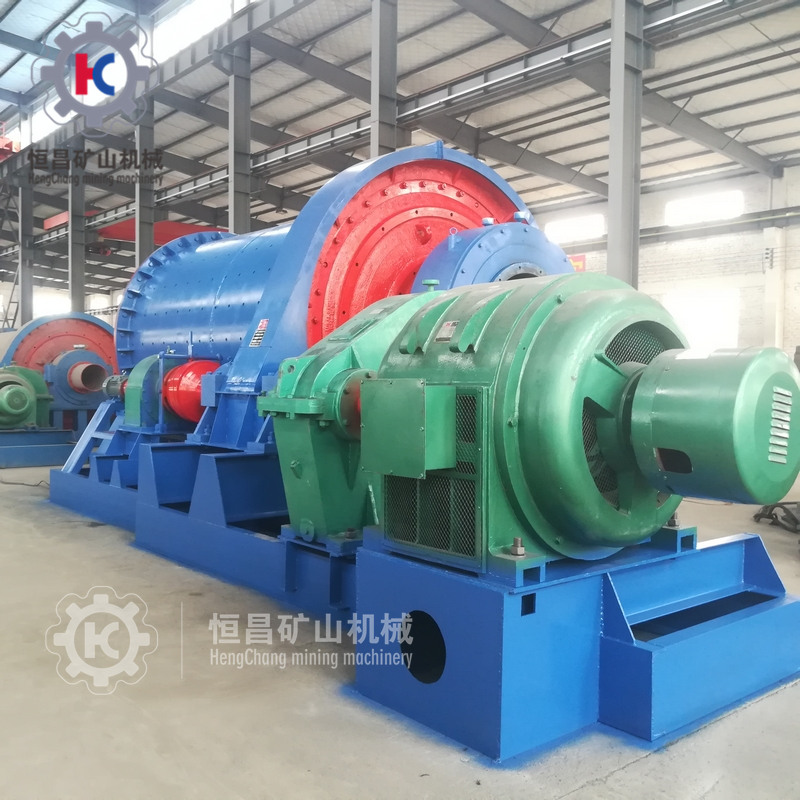
Power is a big one. Tungsten ore is hard. Grinding to liberation size can eat 25–40 kWh per tonne. If your power cost is $0.15/kWh, that’s $3.75–$6 per tonne just for grinding.
Labor depends on location. In China, a 250 TPD plant might run with 15–25 workers. In Australia or Canada, labor can be 3–5 times higher.
Don’t forget tailings management. Wet tailings dams are expensive. Dry stacking or filtered tailings can cost more upfront but save water and permitting headaches.
Recovery Rates: The Number That Decides Everything
Recovery is the most sensitive number in your model. A 5% recovery drop can wipe out your profit.
Typical recovery ranges:
Wolframite gravity separation: 70–85%Wolframite gravity + flotation/magnetic: 80–88%
Scheelite flotation: 75–90%
Combined wolframite-scheelite: 78–88%
But these are just ranges. Your actual recovery depends on:
Liberation sizeSlime content
Gangue minerals
Water quality
Operator skill
Equipment performance
You cannot assume 85% recovery because a supplier said so. You need locked-cycle testwork on your ore.
Jiangxi Hengchang Mining Machinery Equipment usually insists on mineral processing tests before recommending a flowsheet. That’s not sales talk. It’s how you avoid building the wrong plant.
Profit Scenarios for a 250 TPD Tungsten Plant
Let’s run three scenarios.
Assumptions:
250 TPD300 operating days per year
75,000 tonnes per year
Concentrate grade: 65% WO₃
Tungsten concentrate price: $18,000–$21,000 per tonne
Formula:
Annual WO₃ units = 75,000 × feed grade × recoveryAnnual concentrate = WO₃ units ÷ 0.65
Annual revenue = concentrate × price
| Scenario | Feed WO₃ | Recovery | Conc. Grade | Price / t | Annual Revenue | Annual OPEX | Gross Margin | CAPEX | Simple Payback |
|---|---|---|---|---|---|---|---|---|---|
| Low | 0.20% | 75% | 65% | $18,000 | $3.11M | $3.38M | -$0.27M | $2.5M | No payback |
| Base | 0.35% | 82% | 65% | $19,000 | $6.29M | $3.38M | $2.91M | $2.5M | ~10 months |
| High | 0.50% | 85% | 65% | $21,000 | $10.29M | $3.75M | $6.54M | $3.0M | ~6–8 months |
Important: These are pre-tax, pre-royalty, pre-financing numbers. All-in payback is usually 1.3–1.8 times longer. So the base case might be 13–18 months in reality. The high case might be 10–14 months.
The low case? It’s a money pit. If your feed grade is below 0.20% WO₃, a 250 TPD plant is usually not viable unless you have very low mining costs or you’re reprocessing tailings.
Domestic & International Success Cases
China: Jiangxi Wolframite Project – 250 TPD
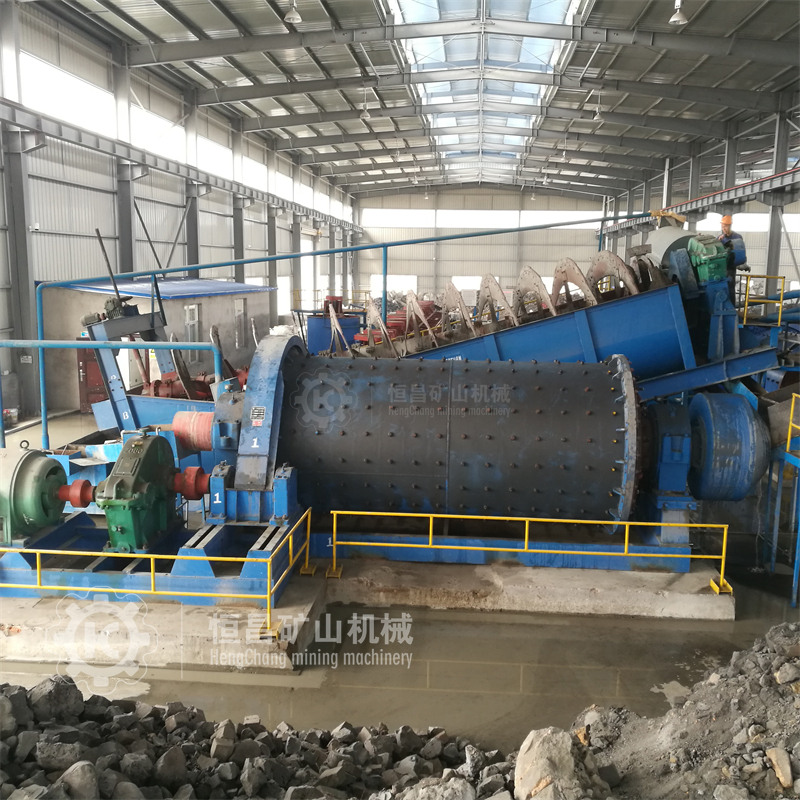
A wolframite mine in Jiangxi, China, runs a 250 TPD gravity plant. Feed grade is around 0.38% WO₃. The flowsheet uses jaw crusher, cone crusher, ball mill, jig, shaking table, and spiral chute.
Recovery: 84%. Concentrate grade: 65% WO₃.
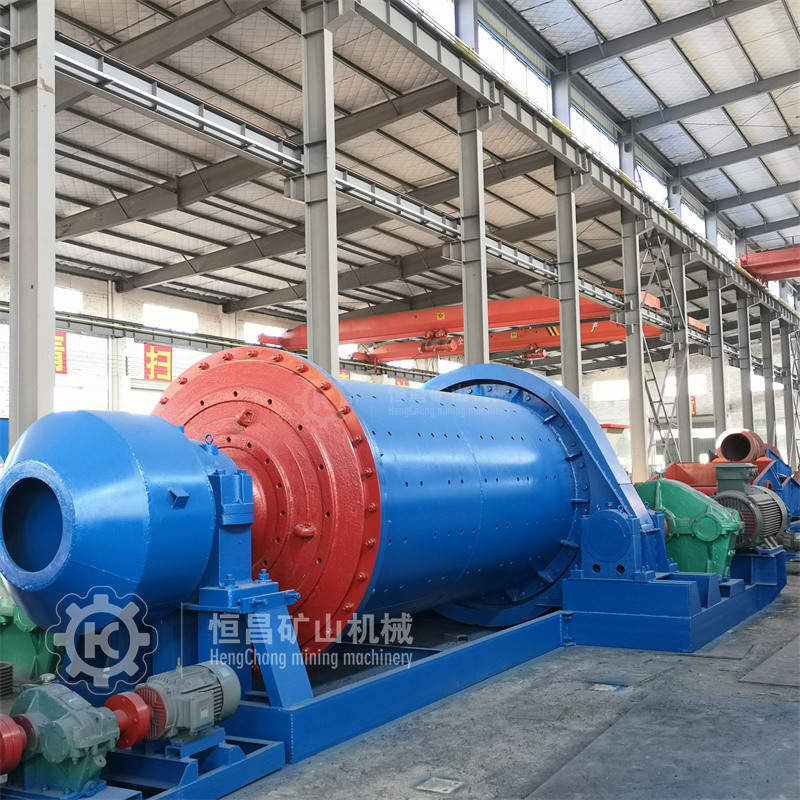
With a concentrate price of about $19,000/t, the plant paid back in 11 months before tax. The key was coarse liberation—jigs recovered a lot of tungsten before fine grinding. That saved power and grinding media.
Jiangxi Hengchang Mining Machinery Equipment supplied the gravity line and helped with the flowsheet design.
China: Hunan Scheelite Project – 200 TPD
A scheelite mine in Hunan uses flotation. Feed grade is 0.30% WO₃. Recovery is 86%. Payback was about 14 months.
The challenge was slime. Too much slime reduced flotation recovery. Adding a desliming stage and choosing the right reagent regime fixed it.
Peru: 250 TPD Wolframite Plant
A small wolframite operation in Peru runs 250 TPD at high altitude. Water is scarce, so the plant uses closed-circuit water recycling. Feed grade: 0.32% WO₃. Recovery: 82%.
The plant was built with containerized modules to reduce site construction time. Payback: 13 months at $18,500/t concentrate.
Australia: 300 TPD Scheelite Flotation Plant
A 300 TPD scheelite project in Australia uses gravity pre-concentration plus flotation. Feed grade: 0.28% WO₃. Recovery: 88%. Payback: 10 months at $21,000/t.
The high recovery came from fine grinding and a well-controlled flotation circuit. The trade-off was higher power cost. But the extra recovery paid for it.
How to Estimate Payback Like a Real Investor
Follow these steps. Don’t skip them.
Get representative samples. Drill cores or bulk samples. Not grab samples.Run locked-cycle testwork. Find your real recovery and concentrate grade.
Build a flowsheet. Gravity, flotation, or both. Match the ore.
Get firm equipment quotes. Include spare parts, installation, and commissioning.
Add 25% contingency. Something always costs more.
Model three price scenarios. $16,000, $19,000, and $22,000 per tonne.
Stress-test grade and recovery. drop recovery by 5%. See if you still profit.
Include royalties, taxes, and working capital. These are not optional.
Talk to a process equipment partner early. Jiangxi Hengchang Mining Machinery Equipment can help with testwork, design, and equipment selection.
Bottom Line
A 250 TPD tungsten ore processing plant can be a great investment—if the grade is high enough and the recovery is real.
Feed grade below 0.20% WO₃: usually no payback.Feed grade 0.30–0.35% WO₃: payback around 12–18 months all-in.
Feed grade above 0.45% WO₃: payback can be under 12 months.
CAPEX usually lands between $1.2M and $3.5M. OPEX runs $30–$65 per tonne. Recovery should be 80–88% for a well-designed plant.
Don’t trust a one-page spreadsheet. Do the testwork. Build a realistic model. Choose equipment that actually performs.
If you want to shorten your payback, start with a serious process design and reliable equipment. Jiangxi Hengchang Mining Machinery Equipment has worked on tungsten projects in China and overseas. They can help you turn a 250 TPD idea into a plant that pays.