Chinese


Cut 100 TPD Tin Plant Water Use
Water is one of those costs that sneaks up on a 100 TPD tin plant. You start with a simple gravity flow, then you add a jig, a shaking table, a pump, a tailings pond, and suddenly you are moving hundreds of cubic meters of water every day.
For a 100 TPD tin processing plant, water use is not just an environmental issue. It is a money issue. Pumping, fresh water supply, tailings dam management, permits, and downtime all add up. The good news is that most 100 TPD tin plants can cut fresh water use significantly without losing tin recovery.
The key is to treat water as part of the flowsheet, not as an afterthought.
Why a 100 TPD Tin Plant Uses So Much Water
Tin ore is usually processed by gravity separation. That means water is doing a lot of the work.
Main water users in a 100 TPD tin plant include:
Ore washing and scrubbingScreening and classification
Desliming with hydrocyclones
Jigging
Shaking table separation
Spiral chute concentration
Tailings transport
Dust control and floor washing
In many small tin plants, fresh water is used once and then sent to the tailings pond. That is simple, but it is also wasteful. If your plant is using 3 to 5 m³ of water per ton of ore, a 100 TPD plant may be pulling 300 to 500 m³ per day. That is a lot of water to pump, store, and manage.
The biggest opportunity is not finding a magic water-saving valve. It is building a proper water recycling loop.
Start With a Simple Water Balance
Before you buy any equipment, measure what you already have.
For a 100 TPD plant, that is only about 4.17 tons per hour. So a small error in pump flow can cause a big problem. Walk the plant and check:
Fresh water intakeWater added at the scrubber
Water going to jigs and tables
Water in the tailings
Water lost through leaks and spillage
Water returning from the pond or thickener
A simple bucket test and a few flow meters can show where the real losses are. In many plants, 20% to 30% of water is lost through leaks, overflowing pumps, and hoses left running. Fixing those habits costs almost nothing.
7 Practical Ways to Cut Water Use
1. Recycle Process Water
Tin gravity separation does not need drinking-quality water. It needs clean enough water with stable flow.
A thickener, settling pond, and return pump can send clarified water back to the plant. This is the single biggest water-saving step for most 100 TPD tin plants. Depending on the ore and layout, recycling rates of 70% to 85% are realistic.
2. Dewater Tailings Before Disposal

Wet tailings are heavy, hard to manage, and full of water you could reuse.
Add a dewatering screen, thickener, or filter press. The overflow goes back to the process. The underflow is drier and easier to stack or transport. This reduces fresh water demand and extends tailings pond life.
3. Upgrade Gravity Equipment
Older jigs and tables can work, but they often use more water and recover less fine tin.
Modern equipment from Jiangxi Hengchang Mining Machinery Equipment is designed to improve separation efficiency while keeping water use under control. This includes jigs, shaking tables, spiral chutes, hydrocyclones, thickeners, and dewatering screens.
Better recovery means less ore circulating. Less circulating load means less water pumped for no reason.
4. Control Slimes
Slimes are the enemy of water recycling. They make ponds muddy, block pumps, and reduce separation efficiency.
Use hydrocyclones and desliming screens to remove slimes early. Do not let fine mud travel through the whole plant. If slimes are controlled, your recycle water stays cleaner and your gravity equipment performs better.
5. Separate Clean and Dirty Water
Do not mix water that only needs cooling with water that carries tailings.
Keep clean water for pumps, motors, and washdown. Keep process water for gravity separation. Use separate sumps and return lines. This makes recycling easier and reduces treatment costs.
6. Fix Leaks and Use Variable Frequency Drives
A dripping seal or an overflowing pump can waste more water than you think.
Check slurry pumps, pipes, valves, and flanges every week. Use variable frequency drives on pumps where flow changes during the day. This saves power and water at the same time.
7. Train Operators
The best water-saving system fails if someone leaves a hose open all shift.
Give operators a simple target: fresh water per ton of ore. Post it near the control room. Reward small improvements. In small plants, operator habits often decide whether water use is 300 m³/day or 450 m³/day.
Where Hengchang Fits In
Jiangxi Hengchang Mining Machinery Equipment builds complete tin processing equipment and flowsheets for small and medium plants, including 100 TPD projects.
Their range covers:
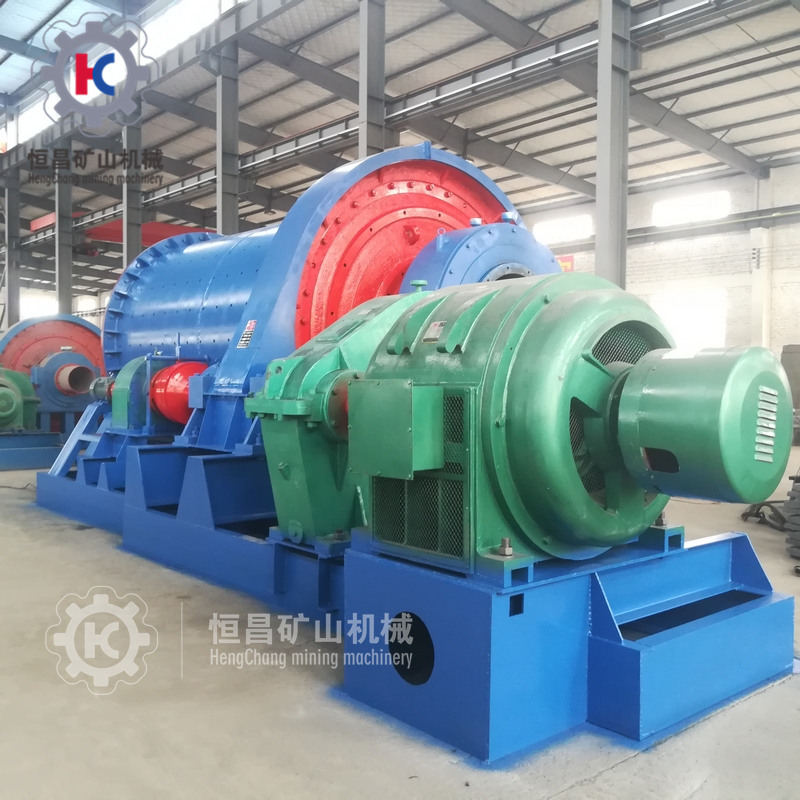
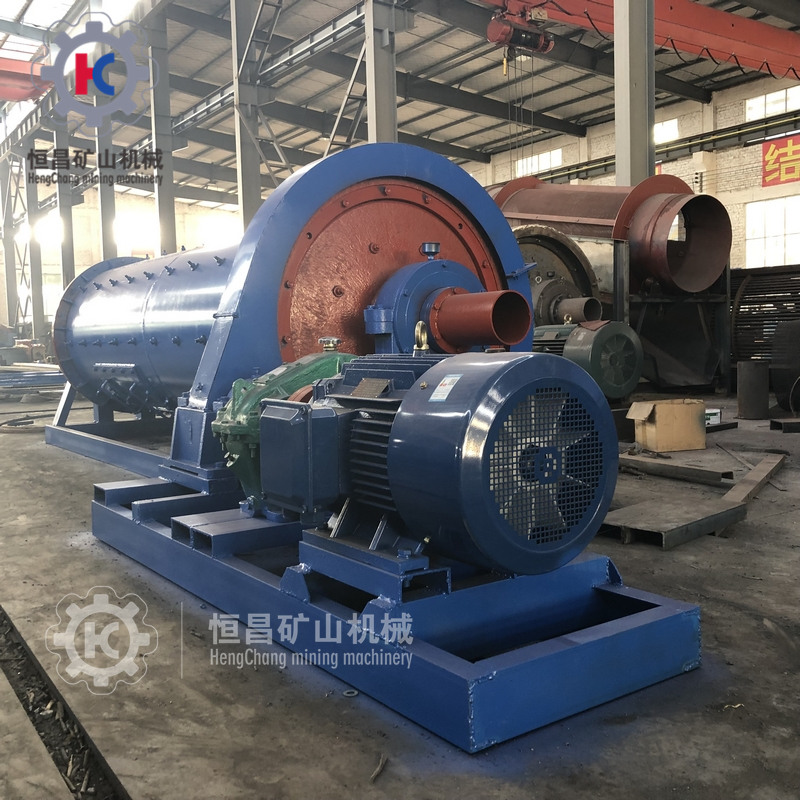
Jaw crushers and hammer crushersBall mills and rod mills
Trommels and rotary scrubbers
Jigs and shaking tables
Spiral chutes and hydrocyclones
Thickeners, filter presses, and dewatering screens
Slurry pumps and water recycling systems
The real value is not just one machine. It is the flowsheet design. Hengchang can help you match equipment size, water flow, and tailings handling so the plant runs without flooding or starving the gravity circuit.
Application Scenarios
Alluvial Tin
Alluvial tin plants often use a trommel, jig, and shaking table. Water is used for washing and separation. A settling pond with a return pump can cut fresh water use by half.
Hard Rock Tin
Hard rock tin needs crushing, grinding, and gravity separation. Water is used in grinding and classification. A thickener and filter press can recover much of the process water.
Tin Tailings Reprocessing
Old tailings can still contain tin. Reprocessing them usually requires water for slurrying and gravity separation. Because the feed is already fine, a closed water loop is very important.
Real-World Examples
Domestic Case: Yunnan, China – 100 TPD Hard Rock Tin Plant
A 100 TPD hard rock tin plant in Yunnan was using about 420 m³ of fresh water per day. The tailings were sent to a pond, and the return water was inconsistent.
After adding a thickener, filter press, and return water pump, and upgrading the jig and shaking table circuit with Hengchang equipment, the plant cut fresh water use to around 110 m³ per day. That is roughly a 74% reduction. The tailings became drier, and the gravity circuit ran more steadily because the water flow was controlled.
International Case: Bolivia – 100 TPD Tin Tailings Plant
In the highlands of Bolivia, water is scarce. A 100 TPD tin tailings project used hydrocyclones, shaking tables, and a thickener to recycle process water. The plant reused about 80% of its water and reduced fresh water intake from the nearby source. This helped the operation keep running during the dry season.
International Case: Nigeria – Alluvial Tin Project
An alluvial tin project in Nigeria used a trommel, jig, and shaking table. The site added a settling pond and a return pump to send water back to the washing section. Fresh water use dropped significantly, and the plant reduced muddy discharge to the surrounding area.
These examples show the same lesson: water savings come from the system, not from one piece of equipment.
Quick Checklist for Your 100 TPD Tin Plant
Measure your current water balanceSeparate clean water and process water
Add a thickener or settling pond
Install a return water pump
Dewater tailings with a screen or filter press
Control slimes with hydrocyclones
Upgrade to efficient gravity equipment
Fix leaks every week
Set a fresh water target per ton
Train operators to hit it
Final Thoughts
Cutting water use in a 100 TPD tin plant is not about big promises. It is about small, practical changes that add up.
Recycle what you can. Dewater what you must. Control slimes. Fix leaks. Use gravity equipment that recovers tin without wasting water. If you do those things, you can often cut fresh water use by more than half while keeping the plant stable.
If you are planning a new 100 TPD tin plant or upgrading an old one, talk to Jiangxi Hengchang Mining Machinery Equipment. A proper water balance and flowsheet design can save you money every day the plant runs.