Chinese


JXSC South Africa 60 Type Gold Centrifugal Concentrator 30 Tons Per Day Process Advantages
Hey folks, if you're in the gold mining game, especially in Africa, you know that getting the right equipment is a game-changer. Today, let's talk about a real workhorse – the JXSC South Africa 60 Type Gold Centrifugal Concentrator. This machine is built to process 30 tons per day, and trust me, it's not just about the numbers. We're going to dive into what makes this bad boy tick, why it's a favorite from South Africa to Mali, and how you can get the most out of it.
What is a Gold Centrifugal Concentrator?
Imagine a high-speed spinning bowl that separates gold from sand and gravel. That's the basic idea. The centrifugal force, which is like when you spin a bucket of water and it doesn't spill, is way stronger here. It pushes heavier materials (like gold) to the outside, while lighter materials wash away. Simple, right? But the engineering behind it is what makes it work like a charm.
The JXSC 60 Type is specifically designed for medium-scale operations. It's not a huge plant, but it's not a tiny sluice box either. It's that sweet spot for guys who want to process a decent amount without breaking the bank or needing a massive crew.
Why the JXSC 60 Type is a Game-Changer in Africa
We've seen these units working in some tough places. From the artisanal miners in Ghana to the more established operations in Tanzania, the JXSC 60 has proven itself.
South Africa: In the Witwatersrand basin, where gold is fine and often mixed with pyrite, the centrifugal concentrator shines. The 30 TPD capacity is perfect for small to medium mines that don't want to invest in huge spirals or shaking tables.Mali and Burkina Faso: These West African countries have a lot of alluvial gold. The JXSC 60 is great for cleaning up concentrates from sluice boxes. It's a fast way to get a high-grade gold product.
Zimbabwe: We've seen these used in conjunction with hammer mills. The mill grinds the ore, and then the concentrator pulls out the free gold. It's a simple, effective setup that many small-scale miners love.
The best part? It's easy to move. If you're chasing a gold seam, you can pack this up and relocate without a massive headache.
How It Works: The "Under Pressure" Principle
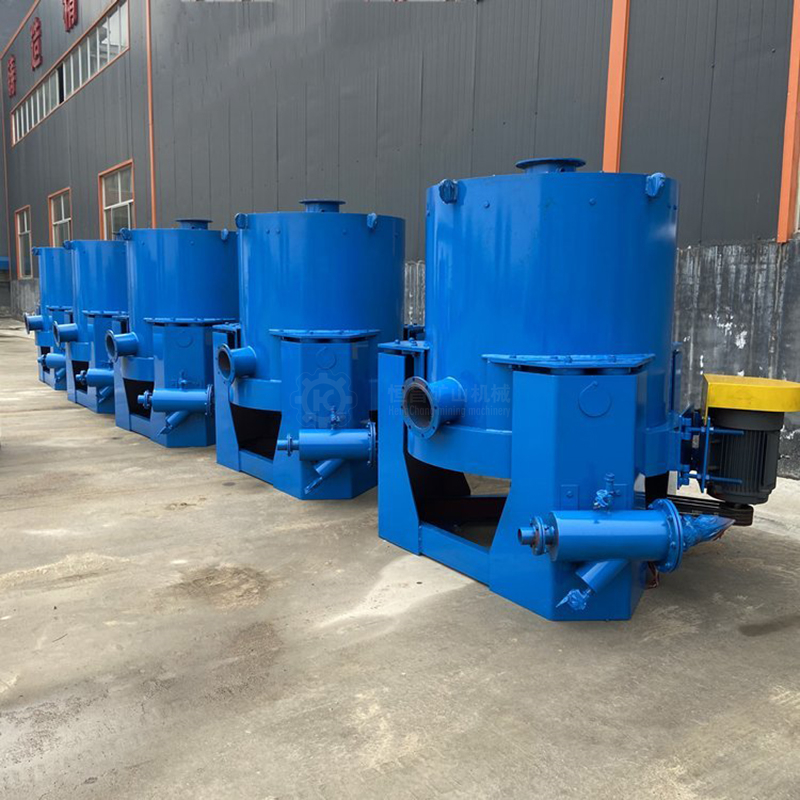
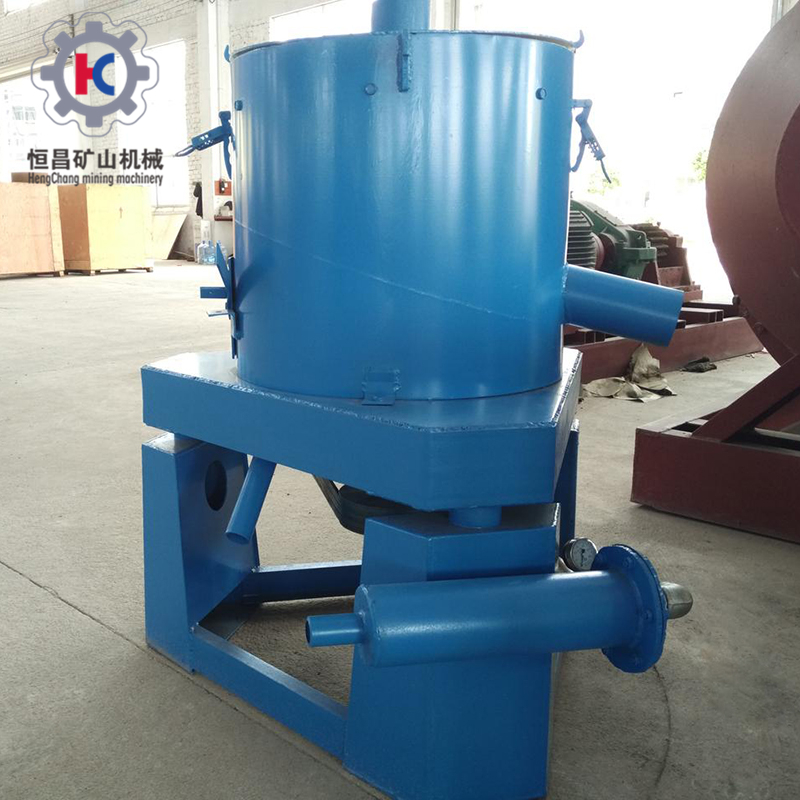
Let's keep this simple. The machine has a cone-shaped bowl that spins at high RPM. You feed the slurry (water + ore) into the top. Inside the bowl, there are ridges or "riffles" that catch the heavy particles.
The key is back pressure. Water is injected from the bottom of the bowl. This creates a fluidized bed. The heavy gold sinks into the riffles, while the lighter sand gets fluidized and washes out the top. It's like a reverse cyclone, but for gold.
Structure Features
The JXSC 60 Type is built to last. Here's what you get:
Heavy-duty steel body: Powder-coated or painted to resist rust in humid conditions.High-speed motor: Usually 5.5 kW, running at 1000-1500 RPM, depending on the setup.
Adjustable discharge valves: You can control how often you stop and "pull the plug" to collect the concentrate.
Easy-clean bowl: The inner cone is removable for deep cleaning, which is crucial when you're dealing with fine gold.
Skid-mounted base: No need for concrete foundations. Just put it on a flat surface and connect the power.
Which Ores Can You Use It For?
This is not a one-trick pony. While it's famous for gold, you can use it for:
Alluvial gold: Riverbed deposits, placer mining.Hard rock gold: After crushing and grinding, to recover free gold before cyanidation.
Platinum group metals: If you have a PGM concentrate, this can help.
Iron ore? Technically yes, but it's overkill. Stick to gold and precious metals.
The key is that the target mineral needs to be significantly heavier than the waste. Gold (specific gravity ~19) is perfect. Pyrite (SG ~5) is harder, so you need to adjust the water pressure and RPM.
The 30 TPD Advantage
Let's break down the numbers. A 30 ton per day unit operating for 10 hours gives you 3 tons per hour. That's a solid production rate for a single machine.
Here's the thing: it's not about processing the entire tonnage of a big mine. This machine is designed to be a concentrator. You feed it the primary tailings from a sluice box or a mill. It pulls out the heavy gold. Then, you're left with a high-grade concentrate (maybe 1-5% of the original feed weight) that you can smelt or sell directly.
Compare this to a shaking table. A table might process 1-2 TPH. The JXSC 60 does 3-4 TPH (depending on the feed). Plus, it's much less fiddly. No need to adjust the table's slope and water wash every five minutes.
Daily Operation and Maintenance
This is where many machines fail. You can own the best concentrator, but if you don't maintain it, it's a paperweight.
Daily Routine:
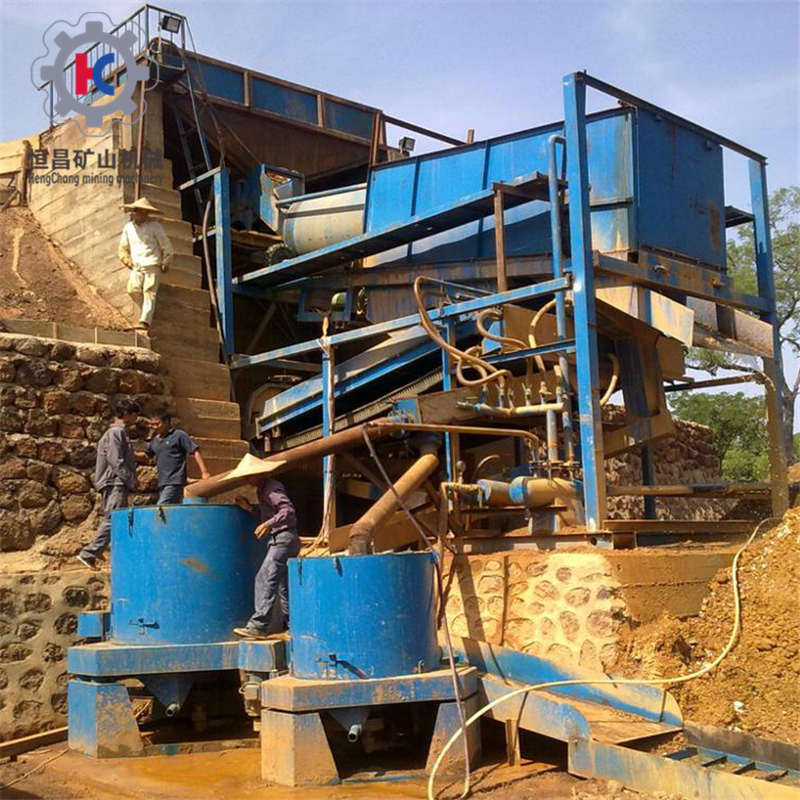
Run it: Feed the slurry. Watch the tailings. If you see a lot of heavy black sand coming out, your water pressure might be too high.
Stop and clean: Every 2-4 hours (depending on gold grade), stop the feed, shut down the motor, and drain the bowl. Scrub the inner cone with a brush.
Recover the gold: Wash out the concentrate into a pan or barrel. Run it through a small sluice or pan it manually.
Weekly Maintenance:
Lubricate the motor bearings. A grease gun is your friend.Check the V-belts. If they're loose or frayed, replace them. A slipping belt means lost RPM and recovery.
Inspect the water injection nozzles. They can get clogged with sand.
Common Mistake: People run it too long without cleaning. The bowl fills up with heavy minerals, and then gold starts to wash out. Stick to the schedule.
Cost-Effectiveness: Why Choose This Over Other Equipment?
Let's be real. A centrifuge isn't cheap. But compare it to the alternatives:
Shaking Table: Cheaper upfront, but slower and requires constant babysitting. Operator fatigue is real.Spiral Concentrator: Good for massive tonnages (100+ TPD), but it's not great for fine gold. The JXSC 60 is better for fine (-200 mesh) gold.
Slurry Jig: Jigs are good for coarse gold, but they use a lot of water and can be finicky. The centrifugal concentrator is more forgiving with feed size variations.
The JXSC 60 is the best middle ground. It gives you high recovery (often 80-95% for free gold) with a reasonable flow rate. For a small to medium mine, it pays for itself in a few months.
Application Scenarios
Where does this machine really shine?
Gold Clean-up: You're a small miner with a sluice box. You produce 10 tons of tailings a week. Run it through the JXSC 60, and you'll recover that fine gold that the sluice missed.Primary Concentration: You have a hammer mill making sand. Instead of running it through a sluice, feed it directly to the centrifuge. You'll get a higher-grade product faster.
Tailings Reprocessing: Old mine dumps with visible gold? This is perfect. Grind the tailings, feed the concentrator, and sell the gold.
Final Thoughts
The JXSC South Africa 60 Type Gold Centrifugal Concentrator is not just a machine; it's a solution. For anyone processing 30 tons per day, this is a solid choice. It's durable, efficient, and backed by JXSC's reputation in the African market.
Quick Tips for Success:
Match the RPM to your ore. Experiment with speed. Start at 1200 RPM for fine gold, 1500 for coarser material.Water is everything. Too much water blows gold out. Too little, and you get a muddy mess. Find that sweet spot.
Buy extra bowls. They're cheap and can save you downtime.
In the end, gold recovery is about physics, not magic. The JXSC 60 uses physics to its advantage. If you're looking for a gold separator equipment that can handle a decent workload without a massive investment, this is your machine.
Happy mining, folks. Go get that gold.