Chinese


JXSC Congo Gold Water Jacket Centrifuge 5TPH Processing Plant Case & Price Guide
Introduction: Why This Machine is a Game-Changer for Small-Scale Gold Miners
If you're a small-scale gold miner in Africa, especially in Congo, you know the struggle: you want higher recovery rates, but you don't have the budget for a full-scale processing plant. You need something compact, efficient, and affordable.
Enter the JXSC Gold Water Jacket Centrifuge — a machine that has been turning heads in the Congolese mining sector.
In this article, I'll walk you through a real 5TPH processing plant case from Congo, explain how this centrifuge works, what ore types it handles, and give you a practical price guide so you can make an informed purchasing decision.
Real Case: 5TPH Gold Processing Plant in Congo
Location: South Kivu Province, Democratic Republic of Congo
Ore Type: Alluvial gold (placer) with some weathered hard rock fragments
Equipment Used:
Vibrating screen (for pre-screening)
Slurry pump
Water supply system
Result:
Feed capacity: 5 tons per hourGold recovery rate: 85-92% (depending on grain size)
Concentrate grade: 15-20 g/ton
Operation: 24 hours continuous, 2 shifts
The miner replaced a traditional sluice box system and saw a 40% increase in recovery.
"Before using the centrifuge, we were losing a lot of fine gold to tailings. Now, we recover almost everything." — Local miner, Kamituga region.
How Does a Water Jacket Centrifuge Work?
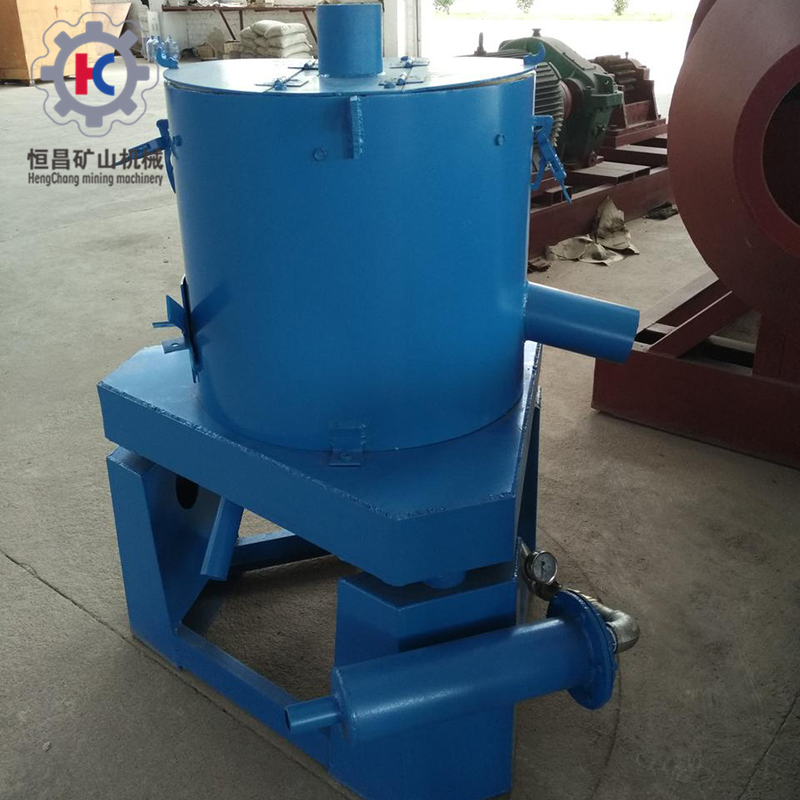
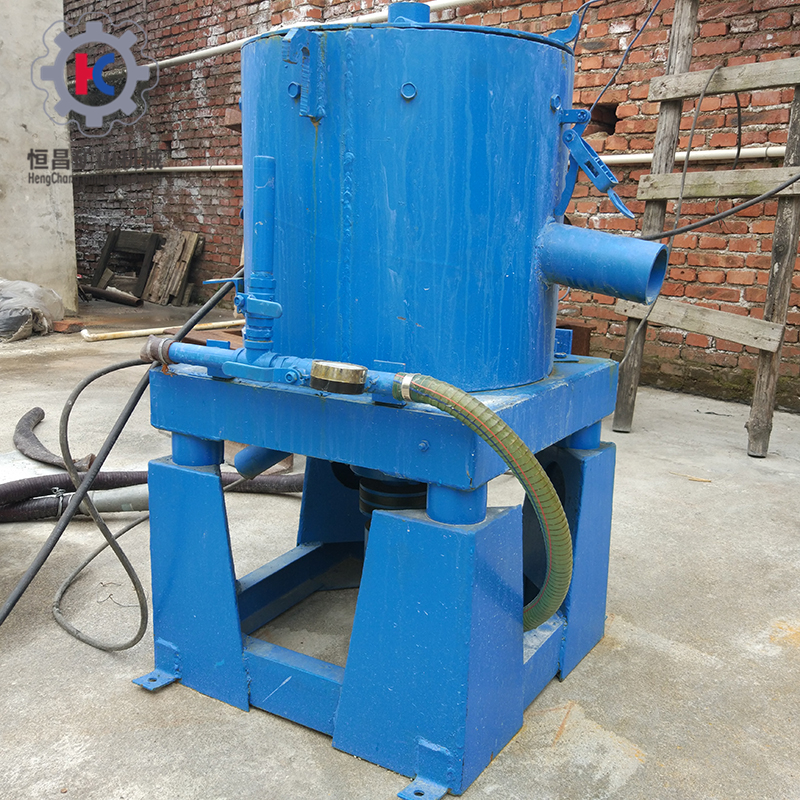
Think of it as a high-speed spinning bowl filled with water. Here's the simple breakdown:
Slurry enters the rotating drum.Centrifugal force pushes heavier gold particles to the drum walls.
Water jacket (a layer of water between the drum and the outer shell) creates turbulence that keeps light materials suspended.
Concentrate (gold + heavy minerals) accumulates at the bottom.
After a set cycle (usually 30-60 minutes), you stop the machine and manually collect the concentrate.
The water jacket is key — it prevents gold from being washed away and ensures fine gold recovery.
Key Structural Features
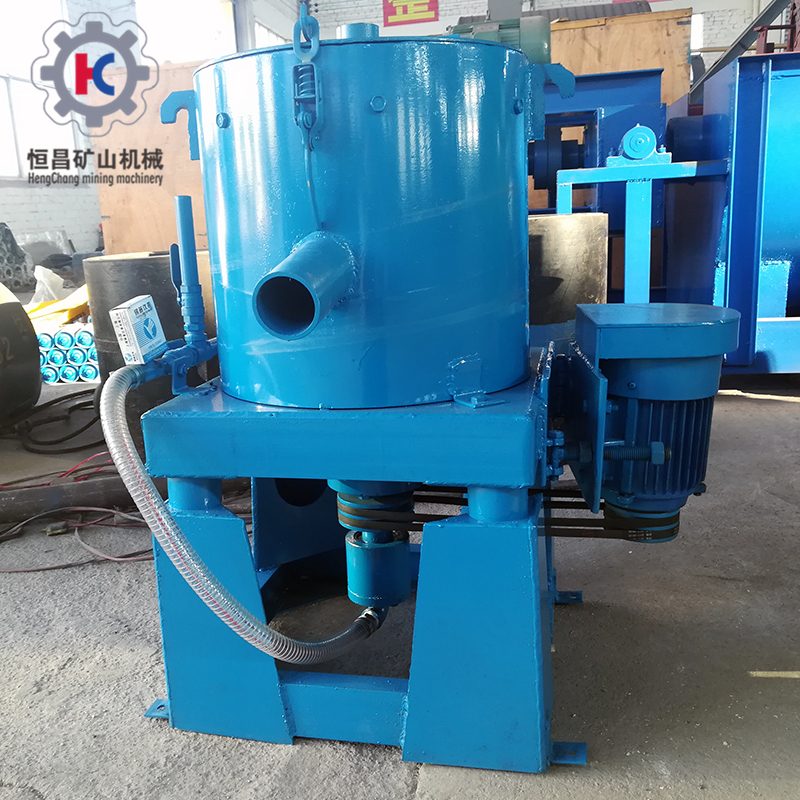
Heavy-duty steel drum — withstands constant rotation and impactWater jacket design — maintains optimal fluidized bed for better separation
Easy-access concentrate port — quick cleanout without disassembling the machine
Low-head slurry inlet — minimizes splashing and reduces energy loss
Compact footprint — fits into small sites and can be transported by pickup truck
Which Ores Can This Centrifuge Handle?
| Ore Type | Suitable? | Notes |
|---|---|---|
| Alluvial/placer gold | ✅ Excellent | Best application |
| Weathered hard rock | ✅ Good | After proper crushing & grinding |
| Quartz vein gold | ✅ Good | Requires fine grinding to <2mm |
| Tailings (reprocessing) | ✅ Very good | Recovers fine gold missed by other methods |
| Sulfide gold | ❌ Limited | Beware of heavy sulfide minerals |
Why Choose the Water Jacket Centrifuge Over Other Equipment?
vs. Sluice Box
Recovery: 85-92% vs 50-70%Works with fine gold (down to 0.1mm)
Less water required
vs. Shaking Table
Higher throughput per unit areaLess operator skill needed
No vibration noise issues
vs. Trommel + Sluice
Centrifuge captures fine gold much betterLess bulky — portable
vs. Full CIP/CIL Plant
Fraction of the costCan be set up in 1-2 days
Perfect for small to medium-scale miners
Processing Capacity & Parameters (STLB-20 Model)
| Parameter | Value |
|---|---|
| Feed capacity | 5-6 tons/hour |
| Drum diameter | 600 mm |
| Rotational speed | 400-600 RPM (adjustable) |
| Water jacket pressure | 0.2-0.4 MPa |
| Power requirement | 5.5 kW motor (single phase available) |
| Concentrate density | 15-25 g/ton |
| Recovery rate | 85-92% for liberated gold |
| Machine weight | 450 kg |
Daily Operation & Maintenance Tips
Daily Checks:
Lubricate bearings every 8 hoursCheck water jacket pressure gauge
Inspect drum for wear marks
Clean concentrate port after each cycle
Weekly:
replace worn rubber sealsTighten belt tension
Flush water jacket pipes
Monthly:
Disassemble drum for full cleaningCheck motor alignment
Pro Tip: Use clean water in the jacket. Muddy water clogs the system and reduces recovery.
Price Guide: What Should You Expect?
Prices vary based on configuration, shipping, and local taxes. Here's a rough guide for Congo and nearby African countries:
| Model | Throughput | Price (USD) |
|---|---|---|
| STLB-10 | 1-2 tph | $3,500 - $4,500 |
| STLB-20 | 5-6 tph | $6,500 - $8,500 |
| STLB-30 | 10-12 tph | $12,000 - $15,000 |
| STLB-40 | 20-25 tph | $18,000 - $22,000 |
Note: Prices exclude shipping, customs, and installation fees.
Shipping from China to Congo: Approximately $800 - $1,500 (by sea + road to Goma or Lubumbashi).
Customs & duties: Around 20-30% of machine value in DRC.
If you buy from JXSC directly, you can ask for:
Official invoice for customs clearanceSpare parts package (extra set of seals, bearings, and belts)
Installation manual in French or English
Application Scenarios Summary
| Scenario | Why it works |
|---|---|
| Small-scale placer mining | High recovery, low cost, portable |
| Reprocessing old tailings | Recovers fine gold missed by traditional methods |
| Artisanal miners upgrading | Replaces mercury use in many cases |
| Field exploration | Quick sample testing and concentration |
| Remote sites with no electricity | Can be powered by diesel generator |
Final Thoughts: Is the Water Jacket Centrifuge Right for You?
If you're mining alluvial gold in Congo, Ghana, Mali, Tanzania, or other African nations, and you're losing gold to tailings because your current equipment can't capture fines — this machine is a no-brainer.
It's affordable, easy to operate, and delivers real results — just like the 5TPH plant in South Kivu.
Before you buy, ask yourself:
Is my ore fine-gold rich? (Yes → centrifuge)Do I want higher recovery without spending millions? (Yes → centrifuge)
Do I need something portable? (Yes → centrifuge)
Contact JXSC for a direct quote — they have local agents in DRC, Zambia, and Ghana who can help with installation and spare parts.
This article was written for the team at JXSC Mine Machinery Factory — trusted by African miners since 1985.