Chinese


JXSC Zambia STLB20 Gold Centrifugal Concentrator 30TPH Recovery Rate & Working Principle
Hey there, fellow miners and plant operators! If you're reading this, chances are you're knee-deep in gold recovery— or trying to get there faster, cleaner, and with less headache. Today, I want to take you through one of the most practical workhorses in the field: the JXSC Zambia STLB20 Gold Centrifugal Concentrator. This machine is not just another piece of equipment; it's a game-changer for small to medium-scale operations looking to boost their gold recovery rates without overcomplicating things.
Let's break it down—no fluff, just facts.
What Is the JXSC STLB20 Gold Centrifugal Concentrator?
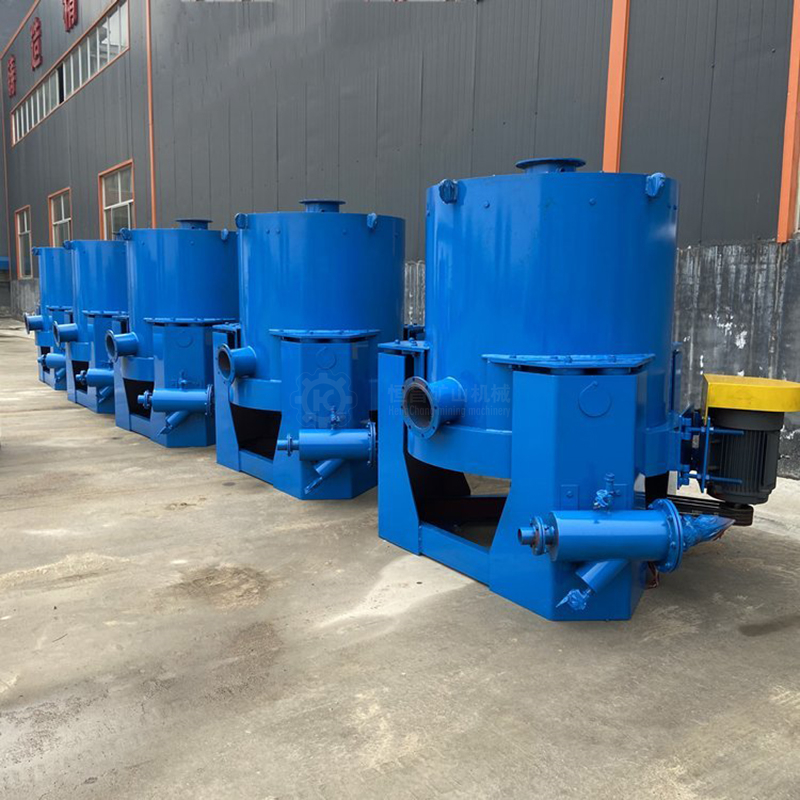
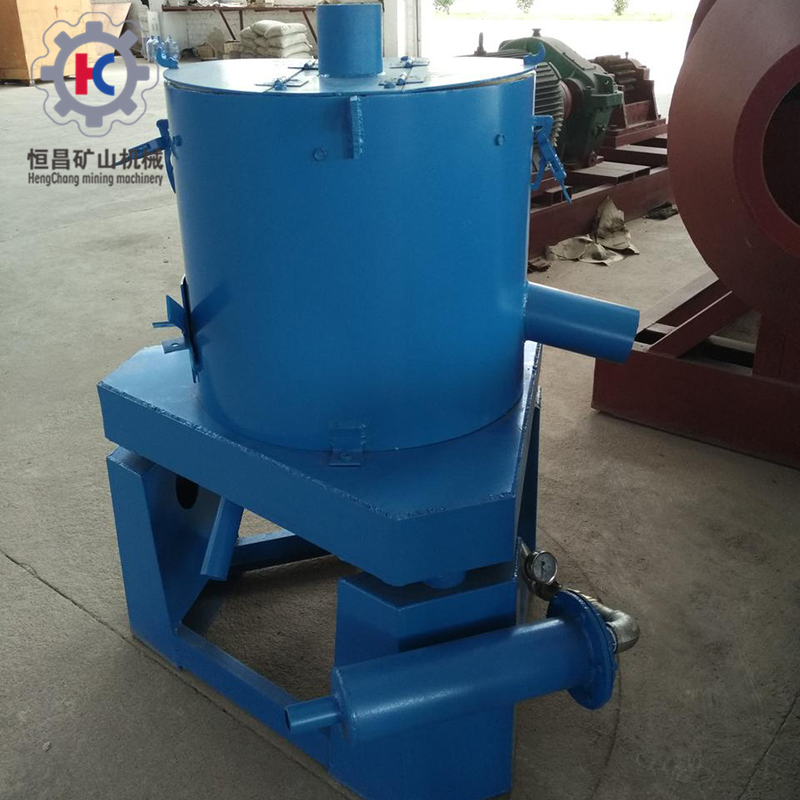
Simply put, it's a gravity separation device that uses centrifugal force to recover fine gold particles from ore or alluvial material. The STLB20 model is part of JXSC's popular STLB series, which is widely used in Africa, South America, and Asia. It's designed for 30 tons per hour (TPH) of feed material—that's massive processing capacity for a machine this size.
Max feed size: Up to 6mm (ideal for fine gold)Recovery rate: Typically 90%–95% for free gold (depending on feed conditions)
Motor power: Around 3–5 kW (low energy consumption)
Weight: ~1.5 tons (easy to transport and install)
In Zambia, where gold mining is booming but infrastructure can be rough, the STLB20 has proven itself as a reliable, low-maintenance workhorse.
Working Principle: How It Actually Recovers Gold
Okay, let's get technical but keep it simple. The STLB20 works like this:
Feed enters the rotating drum – Material (slurry) is fed into the top of the machine.High-speed rotation – The drum spins at up to 800–1000 RPM, creating a centrifugal force 60 times stronger than gravity.
Density separation – Heavier particles (gold, heavy minerals) get pressed against the drum's inner wall, while lighter waste (sand, clay) is flushed out.
Concentrate collection – Gold particles stay trapped in the riffles or grooves inside the drum. After a set time (usually 2–4 hours), you stop the machine, wash out the concentrate, and you're done.
Key point: The STLB20 doesn't crush or grind. It's purely a gravity concentrator—so it works best when your gold is already liberated (free-milling).
Designed for Tough Conditions: Applications in Africa
Zambia Case Study I've seen the STLB20 deployed in Zambia's Copperbelt and Eastern Province, where gold is often associated with quartz veins or alluvial deposits. One client there processed 30 TPH of river sand and recovered over 10 grams of gold per ton—after just a single pass. Their previous setup (simple sluices) was only catching about 50% of fines. With the STLB20, recovery shot to 92%.
Other African Applications:
Ghana – Fine gold from weathered bedrockTanzania – Artisanal gold tailings reprocessing
DR Congo – Alluvial gold in remote areas (low maintenance is key)
South Africa – Gold mine tailings (small-scale retreatment)
Structure Features: What Makes It Different
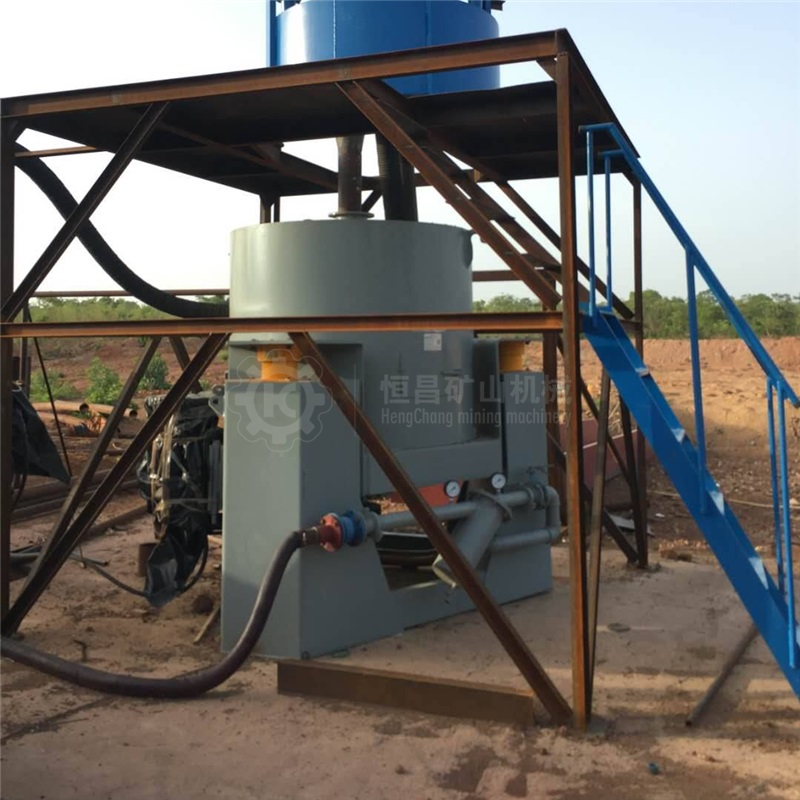
JXSC didn't just copy a generic design. Here's what sets the STLB20 apart:
| Feature | Benefit |
|---|---|
| Cast steel drum | Resists wear from abrasive material |
| Replaceable rubber lining | Cheap to replace, extends drum life |
| Hydraulic discharge system | Fast cleanup (no tools needed) |
| Oversize bearings | Handles long operating shifts |
| Compact footprint | Fits in tight spaces (mobile plants) |
One thing I love: the easy-access cleaning port. You don't need a technician to disassemble the machine—just open the hatch, flush out concentrate, and restart. That's gold time saved.
What Ores Can It Handle?
The STLB20 is versatile, but it's not a one-size-fits-all solution. Here's what it works best for:
Free-milling gold – Oxidized ore, alluvial sand, river gravelFine gold (down to 0.1mm) – Better than sluices for small particles
Gravity-recoverable gold – Not for refractory or sulfide-bound gold
Tailings reprocessing – If gold is already liberated
Not ideal for:
Heavy clay (clogs the drum)High sulfide content (need flotation or leaching first)
Processing Capacity & Performance Parameters
Here's a quick reference:
Feed type: Slurry (20%–30% solids recommended)Max particle size: 6mm (oversize needs screening)
Concentrate discharge interval: Every 2–4 hours (adjustable)
Drum rotation speed: 800–1000 RPM
Water consumption: ~10–15 m³/hour (for fluidization)
Gold recovery: 90%–95% for free gold (laboratory tests)
Real-world example:
A client in Zambia feeding 30 TPH of alluvial sand (assay 2g/t) recovered 56 grams of gold per shift (8 hours). That's about 3.5g/ton recovered—not bad.
Daily Operation & Maintenance: Keep It Running
Nobody wants a breakdown in the field. Here's how to keep the STLB20 happy:
Daily checks:
Lubricate bearings every 8 hours (grease nipples are easy to reach)
Inspect rubber lining for tears (cheap to replace)
Check water flow – too little and gold won't fluidize; too much and you lose fines
Verify drum speed – use a tachometer to ensure consistent RPM
Weekly maintenance:
Clean the drum thoroughly after every 50 hours of operationCheck belt tension – loose belts cause vibration
Inspect discharge valve for leaks (replace seals if needed)
Pro tips:
Install a slurry screen (1mm mesh) before the concentrator to block oversize rocks—this saves your drum from damage.Always pre-screen material >6mm. The STLB20 isn't a crusher.
How It Compares to Other Gold Recovery Methods
| System | Recovery Rate (Fine Gold) | Cost | Maintenance | Best For |
|---|---|---|---|---|
| JXSC STLB20 | 90–95% | Medium | Low | 30 TPH, fine gold |
| Shaking table | 80–85% | Low | Medium | <5 TPH, coarse gold |
| Sluice box | 40–60% | Very low | Low | Bulk material, rough recovery |
| Ball mill + cyanide | 95%+ | High | High | Refractory gold, large scale |
Bottom line: If you're processing 30 TPH of alluvial or free-milling ore and want high recovery without breaking the bank, the STLB20 beats shaking tables for throughput and sluices for recovery. It's the sweet spot.
Application Scenarios: Where to Use It
Mobile gold plants – Mount it on a trailer with a vibrating screen and you have a standalone recovery module.Artisanal mining cooperatives – In Zambia, groups pool resources to buy one machine, sharing concentrate cleanup shifts.
Tailings retreatment – Recover gold that was missed by previous operators (I've seen 30%–50% extra recovery in some tailings).
Pilot testing – Test your deposit's gravity-recoverable gold before investing in a full plant.
Final Thoughts: Is the STLB20 Right for You?
If you're dealing with 30 TPH of free-milling gold and want a reliable, low-maintenance concentrator that delivers 90%+ recovery rates, the JXSC Zambia STLB20 is a no-brainer. It's built for tough African conditions, easy to operate, and backed by a manufacturer that understands mining on the ground—not just in a catalog.
Remember:
Feed size ≤6mmRegular cleaning every 2–4 hours
Pre-screen your material
Test your ore first if unsure
The STLB20 won't fix every problem—if your gold is locked in sulfides, you'll need a different process. But for gravity-recoverable gold, it's one of the best tools in your shed.
Got questions about your specific ore? drop a comment below or reach out to your local JXSC dealer. And if you're in Zambia, come see the machine in action—I promise, it'll turn your tailings into treasure.
Happy mining, and may your recovery rates be high!