Chinese


JXSC Ghana Gold CIL Plant Equipment: 10TPH Processing, Cost, and Case Study Analysis
Introduction
Are you looking to set up a gold CIL (Carbon in Leach) plant in Ghana or any other African country? If so, you're in the right place. In this article, we'll dive into the world of CIL plants, specifically focusing on the 10TPH (tons per hour) processing capacity. We'll cover everything from the equipment used, its cost, and real-world case studies to help you make an informed decision. Let's get started!
What is a CIL Plant?
A CIL plant is a type of gold processing facility that uses a combination of leaching and adsorption processes to extract gold from ore. The "CIL" stands for Carbon in Leach, which means that activated carbon is added directly to the leach slurry to adsorb the dissolved gold. This method is highly effective and widely used in the gold mining industry.
Equipment Used in a 10TPH CIL Plant
1. Crushing and Grinding
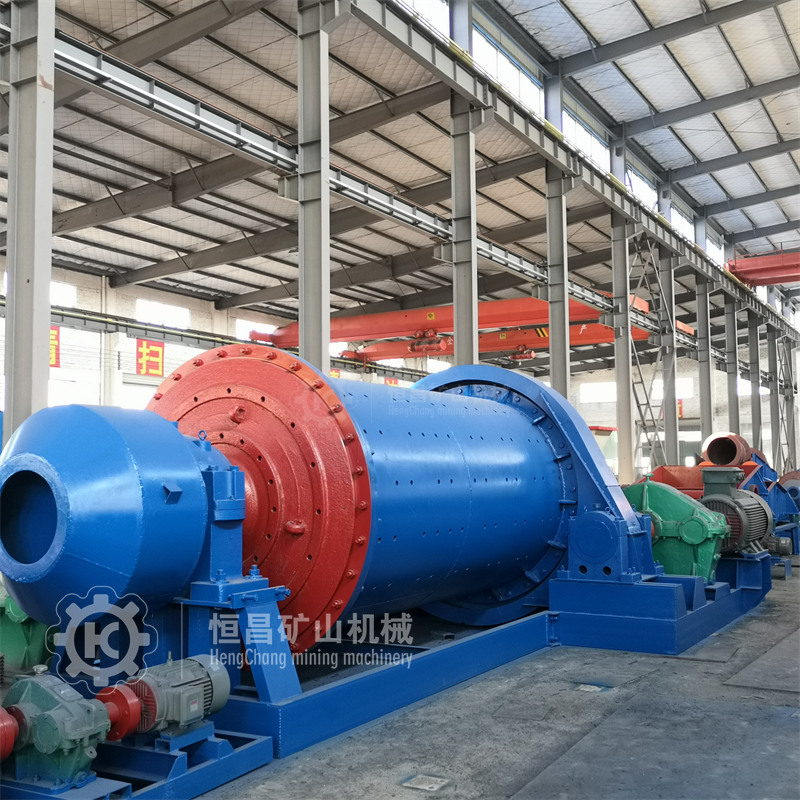
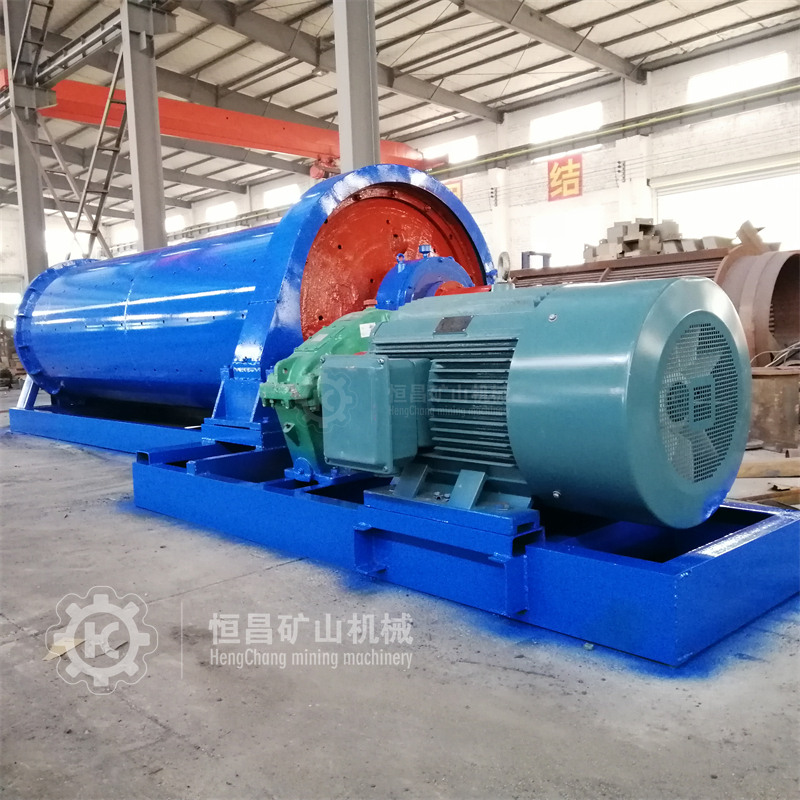
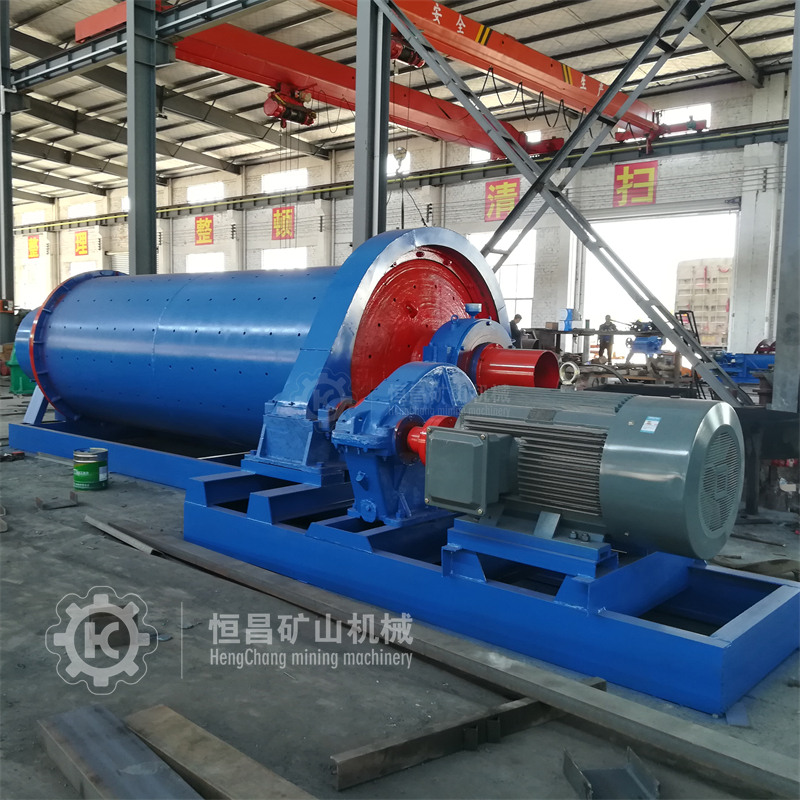
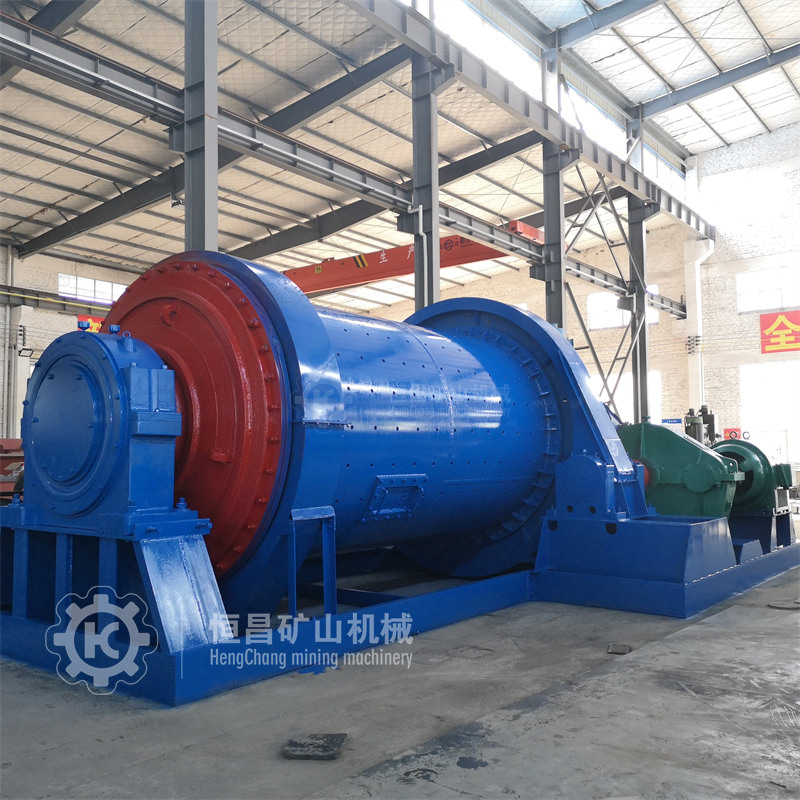
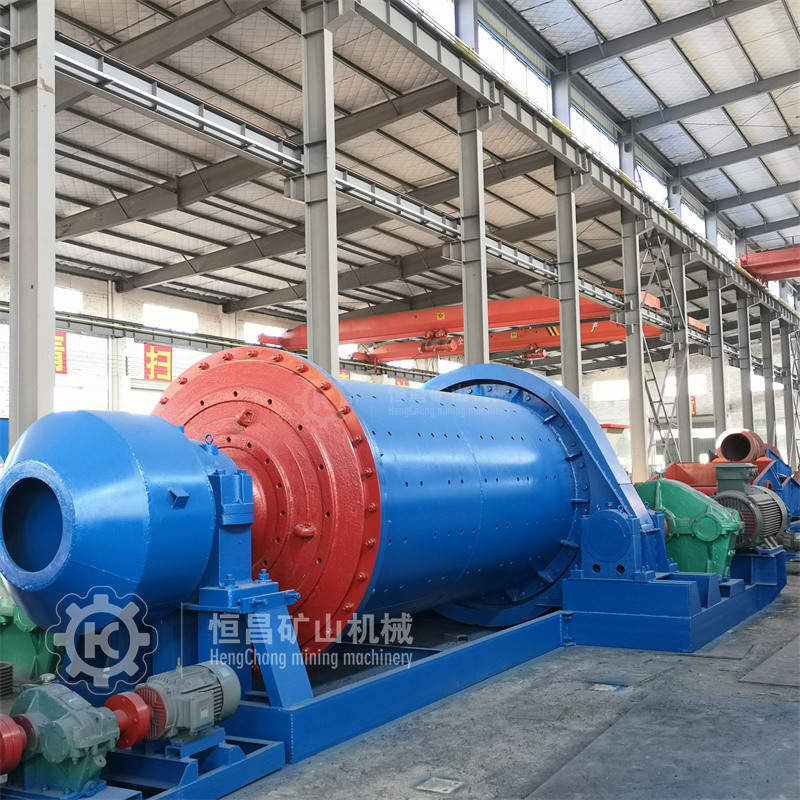
Jaw Crusher: Used to break down large pieces of ore into smaller, manageable sizes.Ball Mill: Grinds the ore into a fine powder, making it easier to extract the gold.
2. Leaching and Adsorption
Leaching Tank: Where the gold is dissolved using a cyanide solution.Activated Carbon Tanks: Used to adsorb the dissolved gold onto the carbon.
3. Elution and Electrowinning
Elution Column: Extracts the gold from the activated carbon.Electrowinning Cell: Uses an electric current to deposit the gold onto cathodes.
4. Tailings Management
Thickener: Separates the solid waste from the liquid.Filter Press: Further dries the tailings for safe disposal.
Case Studies: CIL Plants in Africa
Ghana: A Success Story
In Ghana, one of our clients, a small-scale gold miner, successfully set up a 10TPH CIL plant using JXSC equipment. The plant has been operational for over two years, and the results have been impressive. The client reports a significant increase in gold recovery rates, with minimal downtime and maintenance costs.
Zimbabwe: Overcoming Challenges
In Zimbabwe, another client faced challenges with their existing CIL plant. After switching to JXSC equipment, they saw a 20% increase in gold recovery and a 30% reduction in operating costs. The robust design and high-quality materials used in JXSC equipment made a significant difference.
How Does a CIL Plant Work?
1. Ore Preparation
The ore is first crushed and ground to a fine powder.This step is crucial as it increases the surface area of the ore, making it easier to leach.
2. Leaching
The ground ore is mixed with a cyanide solution in a leaching tank.The cyanide dissolves the gold, creating a gold-cyanide complex.
3. Adsorption
Activated carbon is added to the leach slurry.The gold-cyanide complex is adsorbed onto the carbon.
4. Elution and Electrowinning
The loaded carbon is placed in an elution column, where the gold is stripped off using a hot caustic solution.The gold-rich solution is then passed through an electrowinning cell, where the gold is deposited onto cathodes.
5. Tailings Management
The remaining slurry is thickened and filtered to separate the solid waste from the liquid.The tailings are then safely disposed of, and the water is recycled.
Advantages of Using a CIL Plant
High Recovery Rates
CIL plants are known for their high gold recovery rates, often exceeding 90%.Efficient Process
The combined leaching and adsorption process is highly efficient and reduces the need for additional steps.Cost-Effective
While the initial setup cost can be high, the long-term operating costs are relatively low, making it a cost-effective solution.Environmentally Friendly
Modern CIL plants use advanced technologies to minimize the environmental impact, including the safe handling and disposal of cyanide.Handling and Maintenance
Daily Operations
Regularly check the levels of cyanide and pH in the leaching tanks.Monitor the performance of the activated carbon and replace it as needed.
Keep the equipment clean and free from blockages.
Maintenance Tips
Follow the manufacturer's recommended maintenance schedule.Regularly inspect and lubricate moving parts.
Keep spare parts on hand to minimize downtime.
Comparing CIL Plants with Other Methods
CIL vs. CIP (Carbon in Pulp)
CIL: Combines leaching and adsorption in a single step, making it more efficient.CIP: Leaches the gold first, then adsorbs it onto carbon in a separate step, which can be less efficient.
CIL vs. Heap Leaching
CIL: Suitable for higher-grade ores and offers faster processing times.Heap Leaching: Better for lower-grade ores and requires less capital investment but takes longer.
Conclusion
Setting up a 10TPH CIL plant can be a game-changer for your gold mining operations. With the right equipment, like those provided by [江西恒昌矿山机械设备], you can achieve high recovery rates, efficient processing, and cost savings. Whether you're in Ghana, Zimbabwe, or any other African country, the benefits of a CIL plant are clear.
If you're ready to take the next step, contact [江西恒昌矿山机械设备] for a consultation and start your journey to more profitable and sustainable gold mining. Happy mining!