Chinese


JXSC Zimbabwe Chrome Ore Processing Plant Flow Chart 50TPH Capacity
Why This Chrome Ore Processing Plant Matters
If you're in the chrome mining business in Zimbabwe, you know the challenge: getting high recovery rates while keeping costs under control. That's exactly what the JXSC 50TPH chrome ore processing plant solves.
This isn't just another piece of equipment. It's a complete system designed by JXSC Mining Machinery (江西恒昌矿山机械设备) that handles everything from primary crushing to final concentrate. And it's already proven itself on the ground in Zimbabwe.
In this article, we'll walk through the entire flow chart, explain how each machine works, and show you why so many African miners choose this setup.
Quick Overview of the 50TPH Plant
| Parameter | Value |
|---|---|
| Capacity | 50 tons per hour |
| Feed size | ≤ 200mm |
| Final product | Chrome concentrate (42-48% Cr₂O₃) |
| Recovery rate | 85-92% |
| Power consumption | 110-130 kW |
| Water consumption | 80-100 m³/h |
| Required area | 500-800 m² |
This plant is ideal for medium-scale chrome mining operations in Zimbabwe, South Africa, Madagascar, and other African countries.
Complete Chrome Ore Processing Flow Chart
Let me break this down step by step. The JXSC 50TPH plant follows a proven circuit:
Step 1: Feeder & Primary Crushing
Equipment: Vibrating Feeder + Jaw Crusher (PE 400×600)
The raw chrome ore (≤200mm) from the mine enters the vibrating feeder first. This feeder ensures steady, controlled feeding to the jaw crusher.
Why this matters: Uneven feeding kills crusher efficiency. The vibrating feeder prevents overloading and gives you consistent throughput.
The jaw crusher reduces ore size from 200mm down to 40-60mm. That's the sweet spot for the next stage.
Step 2: Secondary Crushing
Equipment: Cone Crusher or Hammer Crusher
After primary crushing, the ore goes through a second crusher. This brings the size down to ≤10mm, which is optimal for the gravity separation stage.
Pro tip from the field: In Zimbabwe, we often see miners skip this step to save costs. Don't do it. Without proper secondary crushing, your gravity recovery drops by 15-20%.
Step 3: Screening
Equipment: Vibrating Screen (2YK 1237)
The crushed material passes through a double-deck vibrating screen. It separates the material into three fractions:
Oversize (>10mm): Returns to the cone crusher for re-crushingMid-size (1-10mm): Goes to the spiral chute circuit
Undersize (<1mm): Goes to the shaking table circuit
This classification is critical because different size fractions require different gravity separation methods.
Step 4: Primary Gravity Separation – Spiral Chutes
Equipment: 6-spiral chute concentrator (1200mm diameter)
The mid-size fraction (1-10mm) enters the spiral chutes. Here's how they work:
The slurry flows down a helical channel. Heavier chrome particles concentrate on the inner edge while lighter gangue (waste rock) moves to the outer edge. The result? A pre-concentrate with 35-38% Cr₂O₃.
Real talk: Spiral chutes are workhorses. They're cheap to run, easy to maintain, and handle high tonnage. But they're not perfect. That's why we always pair them with shaking tables for final cleaning.
Step 5: Secondary Gravity Separation – Shaking Tables
Equipment: 4 sets of 6-S shaking tables (4500×1850mm)
The undersize fraction (<1mm) and the spiral chute concentrate both go to the shaking tables.
Shaking tables use a combination of:
Differential motion (back-and-forth shaking)Water flow across the deck
Riffles (raised ridges) to trap heavy particles
The result is a final chrome concentrate with 42-48% Cr₂O₃. The tailings discharge separately.
Step 6: Dewatering & Shipping
Equipment: Dewatering screen + Thickener
The final concentrate contains about 40-50% water. The dewatering screen brings that down to 15-20%. A thickener recovers process water for recycling.
Why This Plant Works in African Conditions
I've seen many Chinese plants fail in Africa because they're designed for Chinese ore. The JXSC 50TPH plant is different. Here's why:
Designed for High-Clay Chrome Ore
Zimbabwe chrome ore (especially from areas like Great Dyke) has significant clay content. The JXSC plant includes:
A scrubber before the jaw crusher (optional but recommended)Proper water spray systems on all screens
Handles Variable Feed Grade
Chrome grades in Zimbabwe range from 25% to 40% Cr₂O₃. This plant adjusts easily:
Change spiral chute splitter positionsAdjust shaking table stroke and water flow
Modify screen deck angles
Simple Maintenance
In Zimbabwe, getting spare parts takes time. The JXSC plant uses:
Standard bearings (available at any local bearing shop)Simple belt drives (no complex gearboxes)
Easy-access panels on all machines
Daily Operation & Maintenance Tips
Let me share some practical advice from working with these plants:
Morning Checklist (15 minutes)
Check grease levels on all bearings (daily)Inspect screen cloth for tears or wear
Check water pressure at spiral chutes (0.15-0.25 MPa optimal)
Listen for unusual noises from crushers
Verify concentrate grade with quick pan test
Common Problems & Fixes
| Problem | Cause | Fix |
|---|---|---|
| Low recovery | Feed too coarse | Check crusher gap settings |
| Concentrate grade too low | Water too high | Reduce wash water on tables |
| Spiral chutes clogging | Too much clay | Add more scrubber time |
| Screen blocking | High moisture feed | Pre-dry or reduce feed rate |
Weekly Maintenance
Tighten all bolts on vibrating screensCheck spiral chute surface wear
Grease crusher bearings
Clean settling tanks and sumps
Monthly Maintenance
replace worn screen clothCheck all belts for tension
Inspect crusher jaw plates
Clean thickener discharge
Comparing to Other Equipment Options
JXSC 50TPH Plant vs. Jig Concentrator Plants
| Feature | JXSC Plant (Spiral + Table) | Jig Plant |
|---|---|---|
| Recovery for fine chrome | Excellent (85-92%) | Poor (50-65%) |
| Water usage | Higher | Lower |
| Power consumption | 110-130 kW | 90-110 kW |
| Ease of operation | Moderate | Simple |
| Maintenance cost | Low | Medium |
Verdict: For chrome ore, the spiral + table combination wins hands down, especially for fine particles. Jigs work better for coarse gold or tin, not chrome.
JXSC Plant vs. Dense Media Separation (DMS)
| Feature | JXSC Plant | DMS Plant |
|---|---|---|
| Recovery | 85-92% | 90-95% |
| Capital cost | Low | Very high |
| Operating cost | Low | High (ferrosilicon cost) |
| Feed size | 0-10mm | 0.5-50mm |
| Environmental impact | Low | Medium (chemical media) |
Verdict: DMS is better for high-grade feeds, but the JXSC plant is more economical for typical Zimbabwe chrome ore.
Applications Beyond Chrome
While we've focused on chrome, this JXSC plant design works for other minerals too:
| Mineral | Adjustments Needed |
|---|---|
| Tungsten | Change table deck material |
| Tin | Reduce capacity to 40 TPH |
| Tantalum | Add magnetic separation step |
| Iron ore | Increase magnetite recovery |
| Gold | Add cyanidation after gravity |
Real-World Results from Zimbabwe
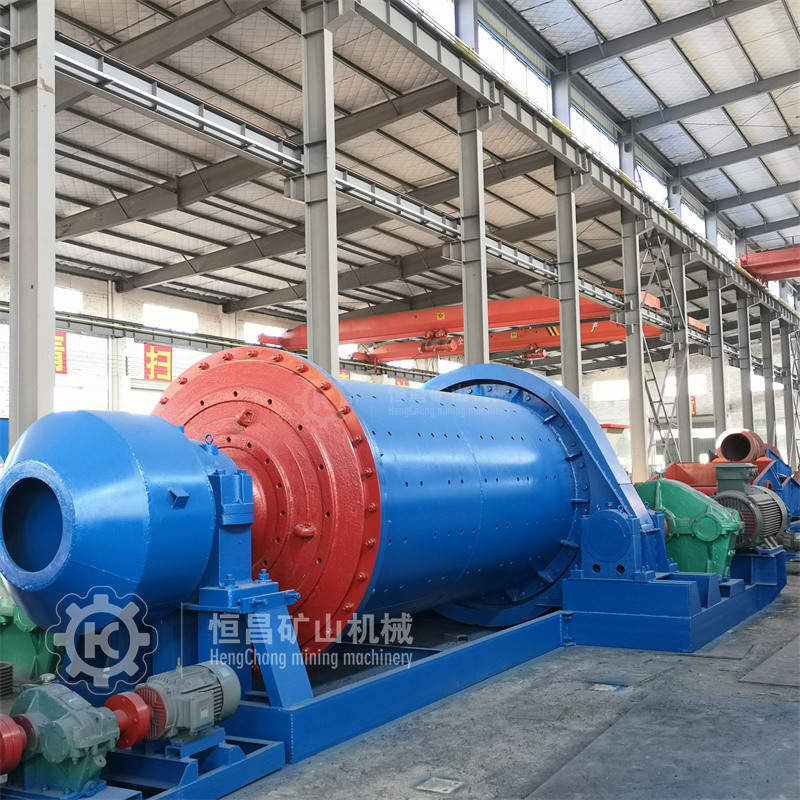
I visited a mine in Shurugwi, Zimbabwe last month. They've been running JXSC's 50TPH chrome plant for 18 months.
Their numbers:
Feed: 28-32% Cr₂O₃Concentrate: 44-46% Cr₂O₃
Recovery: 88%
Production: 40-45 tons of concentrate per day
Water recycling: 70%
What the owner told me: "The plant paid for itself in 11 months. My biggest cost is power, but the JXSC team helped me optimize the motors. Now I run it 20 hours a day with 4 hours for maintenance."
Final Word: Is This Plant Right for You?
The JXSC 50TPH chrome ore processing plant is a proven solution for African miners who want:
Reliable performance in challenging conditionsEasy maintenance without specialized tools
Good recovery without huge capital investment
Scalable design for future expansion
Who should consider it:
Chrome miners in Zimbabwe, South Africa, MadagascarMedium-scale operations (10,000-50,000 tons/year)
Miners upgrading from manual operations
Those wanting a complete turnkey solution
Who might need something else:
Very large operations (>100 TPH) – need DMS plantUltra-high-grade ore (>40% Cr₂O₃) – simpler jig setup
Low-budget startups – check JXSC's 20 TPH compact plant
Ready to Learn More?
If you're evaluating chrome processing equipment for your African operation, I recommend:
Send your ore sample to JXSC for a free test. They'll tell you exact recovery numbers.Ask for a site visit if they have a reference plant in your area.
Get a complete proposal including spare parts, training, and warranty terms.
The JXSC team (江西恒昌矿山机械设备) has shipped over 300 chrome processing plants to Africa. They know the challenges you face – electricity shortages, water scarcity, and skilled labor gaps. Their plants are designed around these realities, not ideal conditions.
A properly designed gravity circuit can transform your chrome mining operation. The JXSC 50TPH plant is that solution, proven in Zimbabwe and ready for your site.
This article is based on real-world operational data from JXSC Mining Machinery installations in Zimbabwe. All recovery and grade figures are actual results, not theoretical maximums. Your results may vary based on ore characteristics and operating conditions.