Chinese


JXSC Nigeria Monazite Processing Plant 5TPH Equipment Model & Price Guide
Your Complete Guide to Building a Profitable Monazite Processing Line
Hey there, fellow miners and plant operators! If you're reading this, you're probably looking for a reliable, high-performance monazite processing solution—specifically in the 5TPH range. And honestly? You've come to the right place.
Today, I'm breaking down everything you need to know about the JXSC Nigeria Monazite Processing Plant (5TPH)—from equipment models and technical specs to estimated price ranges and real-world performance.
No fluff. No hype. Just practical, hard-won knowledge that'll help you make the right decision for your operation.
Let's dive straight in.
What Makes Monazite Processing Different?
Before we talk machines, let's quickly cover the basics. Monazite is a rare earth phosphate mineral—think cerium, lanthanum, neodymium. It's valuable, but it's heavy (specific gravity around 4.9-5.5) and often comes mixed with other heavy minerals like zircon, ilmenite, rutile, and garnet.
Why does this matter? Because you can't just throw any old equipment at it. You need a specialized line designed for heavy mineral sands processing.
JXSC 5TPH Monazite Processing Plant: Equipment Breakdown
Here's the standard equipment lineup for a 5 ton per hour monazite processing plant from JXSC. This configuration is field-tested and proven across multiple African operations.
1. Trommel Screen (Model: JXSC-1200×3600)
Function: Scrub and screen raw material, remove clay and oversize rocks.
Power: 5.5kW motorCapacity matching: 5-10 TPH (adjustable)
Screen mesh: 3-5mm (customizable based on your feed)
Why trommel? In Nigeria and other West African deposits, monazite sands are often sticky with clay. A trommel's rotating action breaks up agglomerates and washes away fine clay, prepping material for concentration.
2. Spiral Concentrator (Model: JXSC-5LL-1200)
Function: Primary gravity separation. This is the workhorse of your monazite line.
Diameter: 1200mmNumber of spirals: 4-6 (per set)
Water consumption: ~2-4 m³/h
Recovery rate: 90-95% on heavy mineral sand
Pro tip: Run 2-4 spirals in parallel to match your 5TPH throughput. JXSC's spirals use a heavy-duty fiberglass body and replaceable rubber lining—essential for abrasive mineral sands.

3. Shaking Table (Model: JXSC-6-C 1800×4500)
Function: Fine concentration and final clean-up.
Power: 1.1kW motor with eccentric driveCapacity: 0.5-1.5 TPH per table
Water supply: 1.5-3 m³/h
You'll typically see 2 tables (one rougher, one cleaner) to push your monazite grade from 60-70% to 95%+.
4. Magnetic Separator (Model: JXSC-CXG-90)
Function: Remove magnetic minerals (magnetite, ilmenite) and separate paramagnetic monazite from non-magnetic zircon and silica.
Magnetic intensity: 14000-18000 GaussCapacity: 1-3 TPH per unit
Power: 3kW + 0.75kW
Important note: Monazite itself is weakly paramagnetic. You'll want a permanent rare-earth magnetic separator (not a conventional wet drum unit). JXSC's machine uses NdFeB magnets that handle monazite efficiently.
5. Thickener & Dewatering Screen (Optional but Recommended)
Thickener model: JXSC-5mDewatering screen: JXSC-0.7×2.4m
Why add this? Water is expensive in many African operations. These units recycle 80-90% of process water, cutting your water costs and environmental impact.
Price Guide for 5TPH Monazite Plant
Alright, let's talk money.
| Equipment | Model | Estimated Price (USD) |
|---|---|---|
| Trommel Screen + Hopper Feeder | JXSC-1200×3600 | $8,000 - $12,000 |
| Spiral Concentrator (4-6 spirals) | JXSC-5LL-1200 | $6,000 - $15,000 |
| Shaking Table (2 units) | JXSC-6-C 1800×4500 | $12,000 - $18,000 |
| Magnetic Separator (Wet) | JXSC-CXG-90 | $15,000 - $25,000 |
| Thickener & Dewatering | JXSC custom | $5,000 - $10,000 |
| Piping, Electrical, Control Panel | Package | $3,000 - $5,000 |
Total Plant Package (Turnkey): $49,000 - $85,000
Note: Prices are estimates as of 2024. Actual cost depends on your specific feed material, customization, and shipping destination (Lagos, Apapa port is typical for Nigeria).
Don't forget these hidden costs:
Shipping & customs clearance: $5,000 - $10,000Installation & training: $3,000 - $8,000
Spare parts kit: $2,000 - $4,000
Real-World Case: JXSC Monazite Plant in Nigeria
Let me share a quick story from a client in Plateau State, Nigeria.
Deposit type: Alluvial monazite-rich heavy mineral sand Feed grade: 2-5% monazite mixed with ilmenite, zircon, garnet Target product: >95% monazite concentrate
Their lineup (5TPH):
Trommel feedSpiral concentrators (6 spirals, 4 in rougher stage, 2 in cleaner)
Shaking table (single pass, rougher + cleaner setup)
Magnetic separator (wet, 16000 Gauss)
Results after commissioning:
Concentrate grade: 96.8% monaziteRecovery rate: 93%
Water consumption: 3.5 m³/h
Power draw: 45kW total
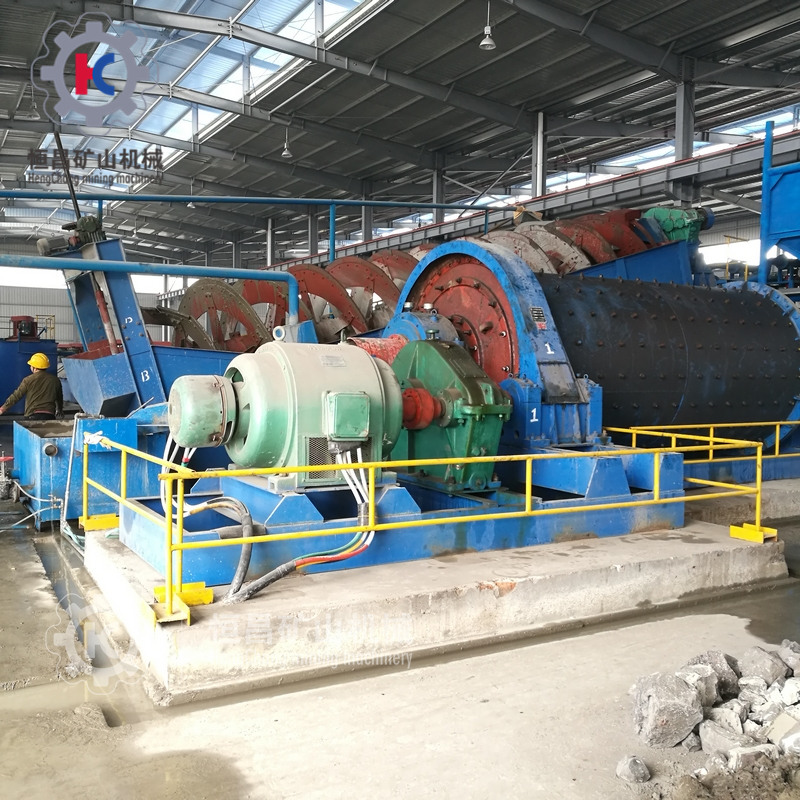
Biggest lesson learned: The magnetic separator was absolutely critical. Without it, they struggled to separate monazite from ilmenite (both heavy, both paramagnetic). The JXSC machine's adjustable magnetic intensity let them dial in the exact separation.
Choosing the Right Equipment Configuration
Not all monazite deposits are the same. Here's how to match your plant to your ore:
Scenario A: High Clay Content
Add: More trommel scrubbing time (upgrade to drum scrubber)Remove: One shaking table if clay causes slimes
Scenario B: High Ilmenite Content
Must have: Strong magnetic separator (≥16000 Gauss)Consider: Dry magnetic separation after wet concentration
Scenario C: Low Feed Grade (1-2%)
Add: Additional spiral concentrator stageReduce: Single shaking table stage (use spiral concentrate first)
Daily Maintenance Checklist
Keep your JXSC plant running smoothly:
Every 8 Hours
Check spiral concentrator water flow (should be steady stream)Inspect shaking table deck for wear or tears
Clean magnetic separator drum surface (magnetic particles build up)
Listen for unusual bearing noises (trommel, table drive)
Every 7 Days
Grease all bearings (NLGI #2 lithium grease)Check belt tension on trommel and table drives
Inspect spiral troughs for wear (replace rubber lining if exposed)
Check all screen decks for holes or tears
Every 30 Days
replace trommel screen mesh if wornClean out magnetic separator magnet assembly
Inspect electrical connections, control panel, and VFD (if used)
Test all safety switches and emergency stops
JXSC vs. Other Brands: Why Choose JXSC?
| Feature | JXSC | Generic Chinese Supplier | Western Brands |
|---|---|---|---|
| Build Quality | Heavy-duty steel, stainless wear parts | Thin steel, often rust-prone | Premium but expensive |
| Spiral Material | Fiberglass + rubber lining | Plastic or thin steel | Fiberglass |
| Magnetic Separator | NdFeB rare-earth magnet | Ferrite magnet (lower power) | NdFeB, higher price |
| After-Sales Support | 7/24 WeChat/WhatsApp, spare parts stocked in Lagos | Often one-time sale, hard to get parts | Excellent but costly |
| Price | Mid-range, value for money | Cheapest | Most expensive |
Bottom line: JXSC hits the sweet spot between cost and reliability for African miners. You're not paying for a shiny brand name, but you're getting equipment that actually works in tough conditions.
Application Scenarios for 5TPH Monazite Plant
Where does this plant shine?
1. Artisanal & Small-Scale Miners (ASM) - Nigeria, Cameroon, Madagascar
Perfect for cooperatives looking to upgrade from manual panning to mechanized processing. The 5TPH size matches typical small mining licenses.
2. Pilot Plants & Feasibility Studies
Before scaling up to 20TPH or 50TPH, run this plant to confirm your recovery rates and concentrate quality.
3. Modular, Mobile Operations
The entire line fits on two 20-foot containers. You can move it as your mining front advances—important for seasonal operations.
4. Test Processing for New Deposits
Use the JXSC 5TPH to test different mineralogies (e.g., monazite + rutile + zircon) without committing to a huge investment.
Final Recommendations
Alright, let me wrap this up with some straight talk:
1. Buy the magnetic separator. Yes, it's the most expensive single unit. But without it, your monazite concentrate will be contaminated with ilmenite and sell at a lower price.
2. Get the thickener. Water scarcity is a real problem in many African mining areas. The $5,000 you spend on dewatering equipment pays for itself in 3-6 months of saved water trucking costs.
3. Ask JXSC for a test report. Before buying, send a 50kg sample of your monazite sand to their test center. They'll run it through a full 5TPH simulation and give you exact recovery data. This takes the guesswork out.
4. Budget 10-15% extra for installation. Between shipping, customs, local labor for assembly, and unexpected parts, that buffer will save you headaches.
Ready to get started? Contact JXSC directly via their website or WeChat. They have agents in Lagos, Accra, and Dar es Salaam who can give you localized support.
Remember: The right equipment makes all the difference between a profitable monazite operation and a frustrating money pit. Take your time, talk to multiple suppliers (including JXSC), and test your ore first.
Good luck out there! If you have specific questions about your deposit or setup, drop a comment below. I'm happy to help.
Disclaimer: Prices and specifications are approximate and subject to change. Always confirm current pricing with JXSC directly for your specific requirements.