Chinese


Copper Ore Processing Equipment Selection Guide: Types, Models & Cost Analysis
If you're in the mining business, you already know that choosing the right equipment is half the battle won. Whether you're a plant manager, a procurement officer, or a newcomer to copper ore processing, this guide is for you. Let's talk about real-world equipment, how they work, and what you should consider before making a purchase.
Why Equipment Selection Matters in Copper Ore Processing
Copper ore is not uniform. It comes in different grades, hardness levels, and mineral compositions. The wrong equipment can lead to low recovery rates, high energy consumption, and frequent breakdowns. That's why understanding the ore properties and processing requirements is critical.
For example, a Jiangxi Hengchang Mining Machinery jaw crusher might handle a high-hardness ore efficiently, while a cone crusher could be better for finer crushing stages. The key is to match the machine to the material.
Types of Copper Ore Processing Equipment
1. Crushing Equipment
Crushing is the first step. The goal is to reduce large chunks of ore to a manageable size.
Jaw Crushers: Ideal for primary crushing. They handle large, hard rocks and are built to last. Jiangxi Hengchang offers a range of jaw crushers with capacities from 1-800 t/h.
Cone Crushers: Used for secondary or tertiary crushing. They produce finer output with less energy.
Hammer Crushers: Good for medium-hard ores. They're simple to maintain.
2. Grinding Equipment
Once crushed, the ore must be ground into a fine powder.
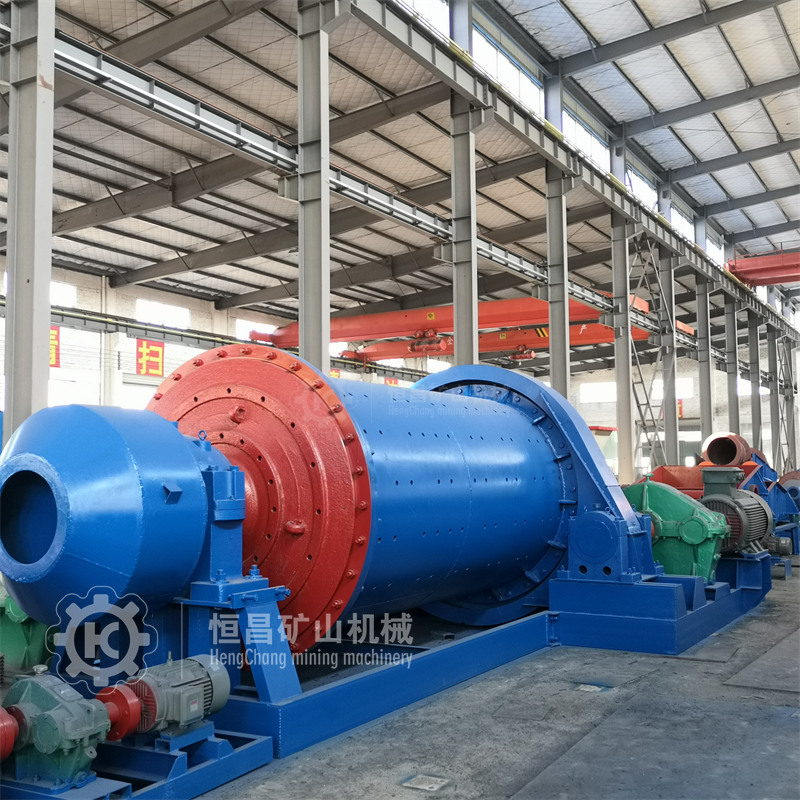
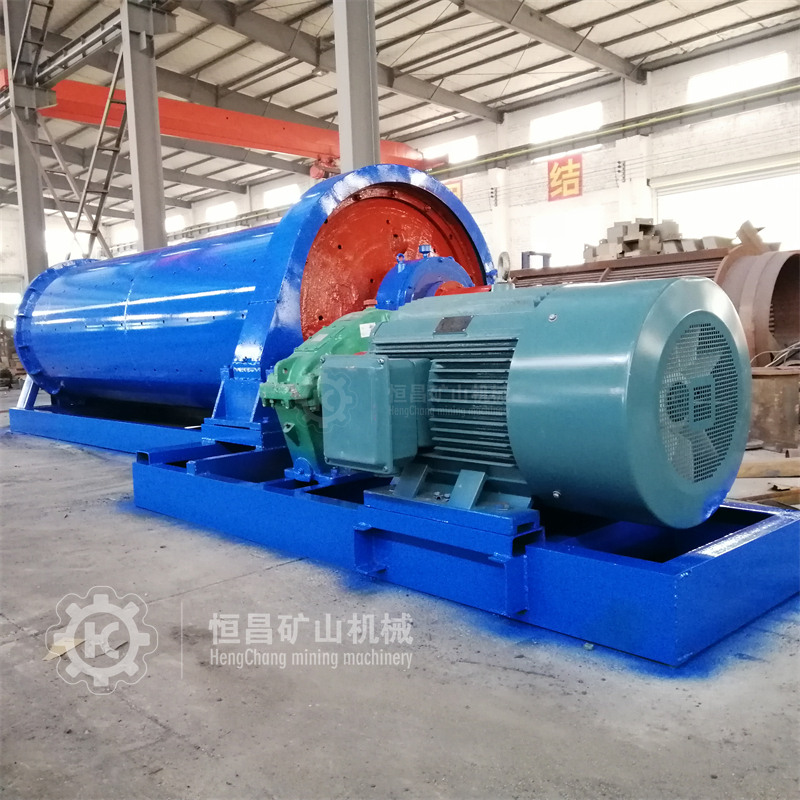
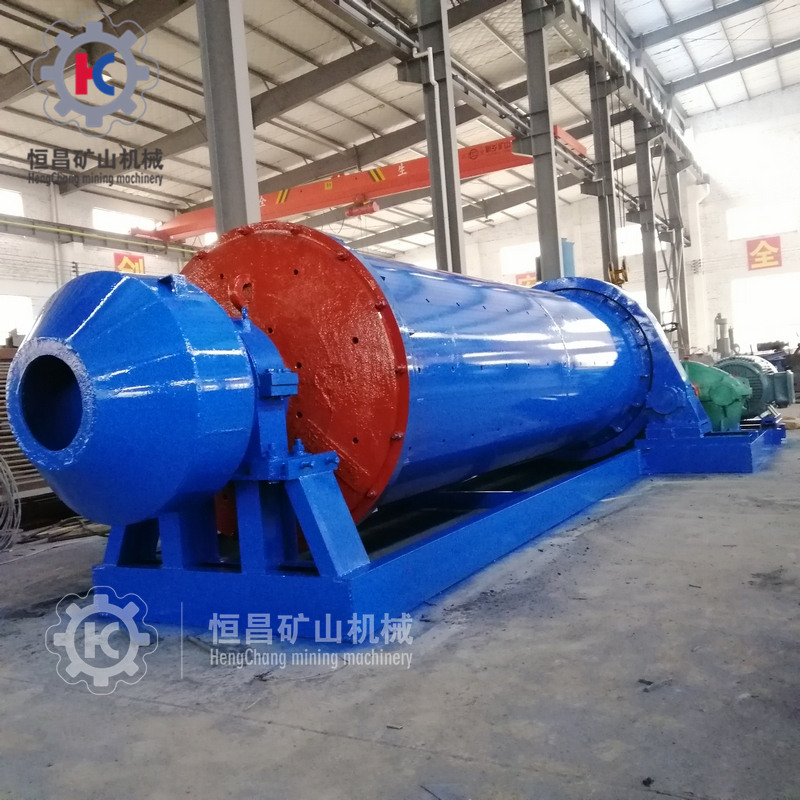
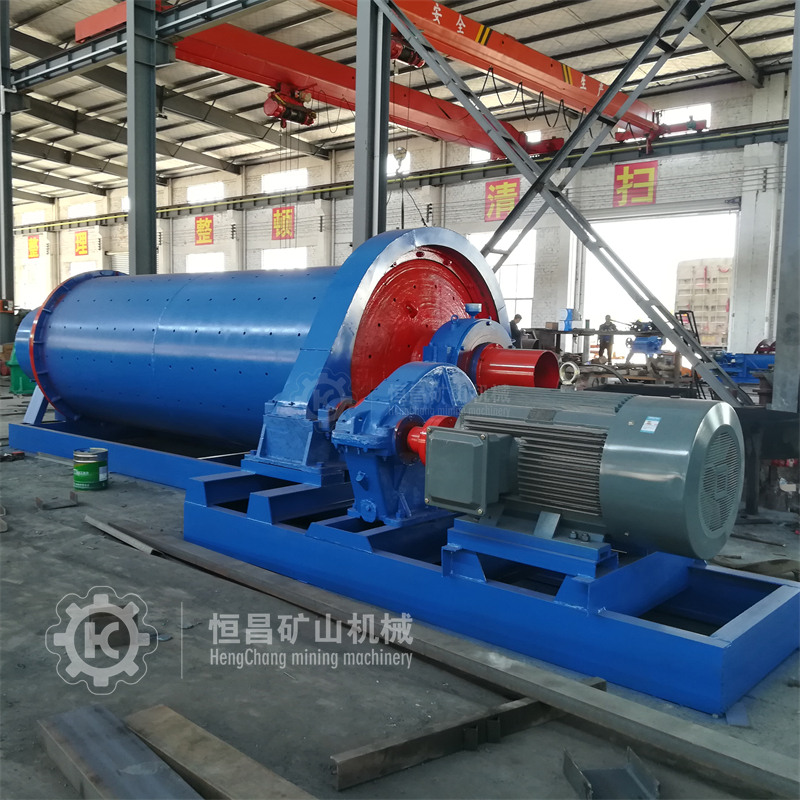
Ball Mills: The workhorse of copper ore processing. They grind material using steel balls. A typical ball mill from Hengchang can handle 0.65-615 t/h.
Rod Mills: Suitable for coarse grinding. They produce a narrower particle size distribution.
3. Flotation Equipment
Copper ore is often concentrated using froth flotation.
Flotation Cells: They separate copper minerals from waste rock. The key is air bubble attachment to copper particles.
Flotation Machines: Jiangxi Hengchang manufactures XJK and SF series flotation machines, widely used in copper plants across South America and Africa.
4. Dewatering Equipment
Water must be removed after flotation.
Thickeners: Concentrate and tailings are thickened to reduce water content.
Filter Presses: Produce dry cakes for easy transport.
Working Principle Explained Simply
Let's take a ball mill as an example.
Inside the drum, steel balls are lifted by rotating motion. As they fall, they crush and grind the ore. The finer particles exit through a discharge screen. This process repeats thousands of times per minute.
The flotation machine works differently. It injects air into a slurry tank. Copper minerals attach to air bubbles and rise to the surface, forming a froth. The froth is then scraped off, leaving behind waste rock.
Structural Features You Should Know
Jiangxi Hengchang jaw crushers have a deep crushing cavity for larger feed sizes. The toggle plate design protects the machine from overload.Their ball mills feature a high manganese steel liner that lasts longer. The discharge grate design ensures uniform particle size.
Flotation cells from Hengchang use a self-priming air system, eliminating the need for an external blower.
Which Ores Can These Machines Process?
Copper ore processing equipment is versatile. It can handle:
Sulfide ores – Most common. Use flotation.Oxide ores – Need leaching or flotation with sulfidization.
Mixed ores – Combination of sulfide and oxide.
Hengchang machines have been tested on copper ore from Chile, Zambia, and the Philippines. They perform well on ores with 0.5%–3% copper content.
Processing Capacity Parameters
Here's a quick reference:
| Equipment Type | Capacity Range (t/h) | Typical Power (kW) |
|---|---|---|
| Jaw Crusher | 1–800 | 15–160 |
| Ball Mill | 0.65–615 | 18–4500 |
| Flotation Machine | 0.15–20 (per cell) | 1.5–37 |
These numbers vary based on ore hardness and required fineness.
Daily Operation & Maintenance Tips
Check wear parts weekly: Jaw plates, ball mill liners, and flotation impellers wear out quickly.Lubricate regularly: Use the correct grease for bearings.
Monitor temperature: Overheating can indicate a problem.
Clean flotation cells daily: Blockages reduce recovery.
Keep a spare parts inventory: Downtime costs money.
A Jiangxi Hengchang user in Indonesia reported a 40% reduction in downtime after switching to their machines, thanks to easier maintenance access.
Comparison with Other Equipment
Ball Mill vs. Rod Mill:
Ball mills are more common for copper.Rod mills are better for coarse grinding but use more energy.
Jaw Crusher vs. Impact Crusher:
Jaw crushers handle harder ores.Impact crushers produce more fines but wear faster.
Flotation Cell vs. Magnetic Separator:
Flotation is best for sulfide copper.Magnetic separation works for magnetic copper minerals like bornite.
Application Scenarios Summary
Small-scale mines: Use a jaw crusher + ball mill + small flotation cells. Hengchang offers modular plants that are easy to transport.Medium to large plants: Cone crushers for secondary crushing + multiple ball mills + flotation banks.
Remote locations: Choose equipment with low water and power requirements.
Final Thoughts
Selecting copper ore processing equipment is not just about price. It's about matching machine capability to ore characteristics. Jiangxi Hengchang Mining Machinery provides reliable equipment with global support. Whether you're crushing, grinding, or flotation, their machines offer durability and efficiency.
Before you buy, always test your ore. Get a feasibility study done. And don't forget to budget for spare parts and training.
If you found this guide useful, share it with your team. And if you're in the market for new equipment, consider Jiangxi Hengchang for your next project.
Keywords: copper ore processing equipment, flotation machine selection, ball mill for copper, jaw crusher models, mineral processing equipment cost.