Menu Icon
Logo
Mining Machinery

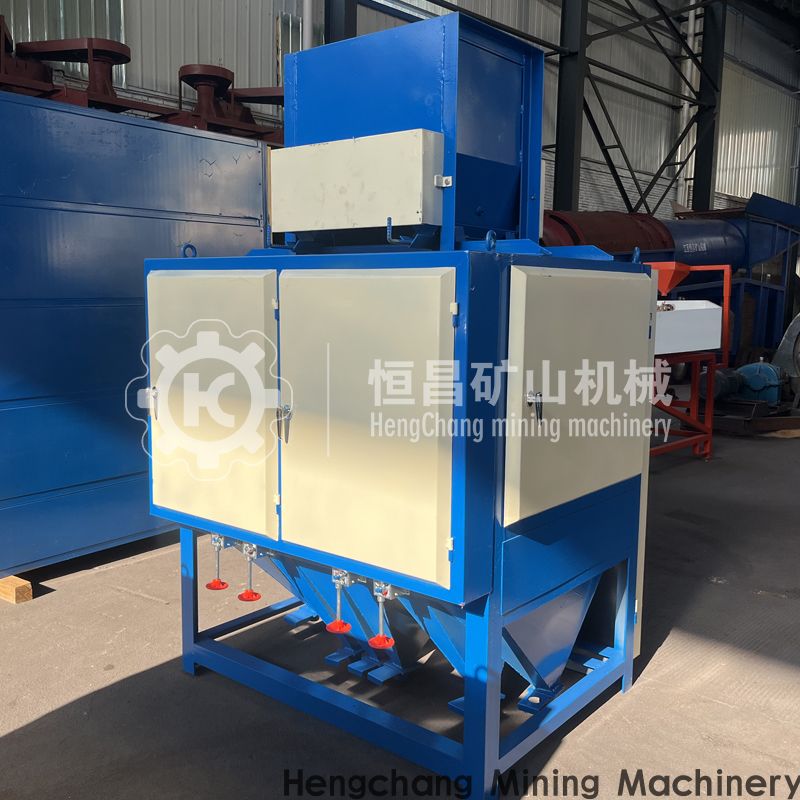
    Electrostatic Separator Introduction

    Dry electrostatic separator separates minerals by conductivity via corona discharge. Perfect for purifying tungsten tin concentrate after magnetic separation, no water required, high separation efficiency.

    SHARE TO:

    photobank (2).jpg

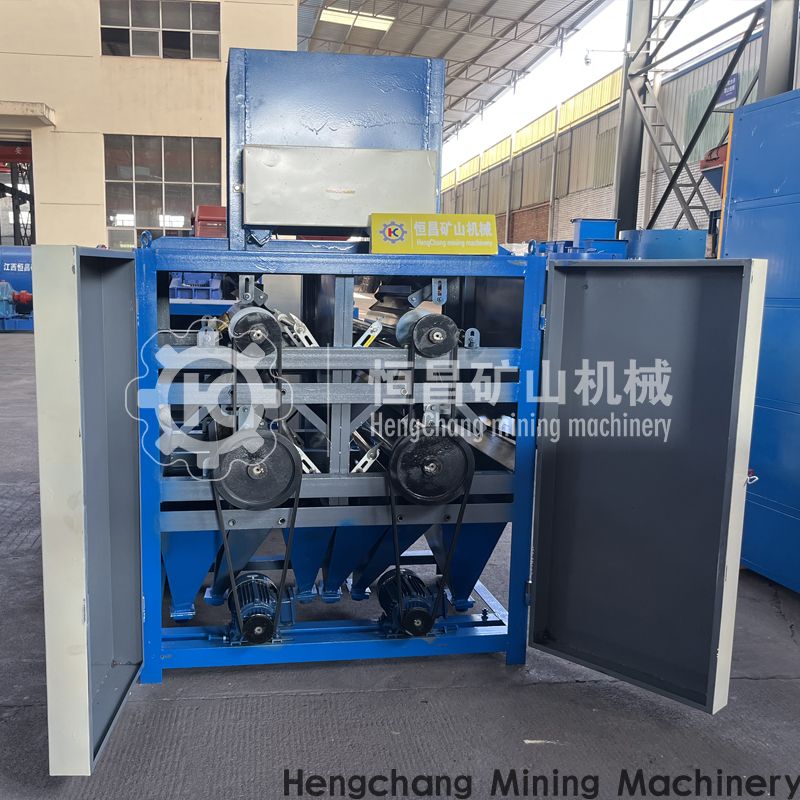
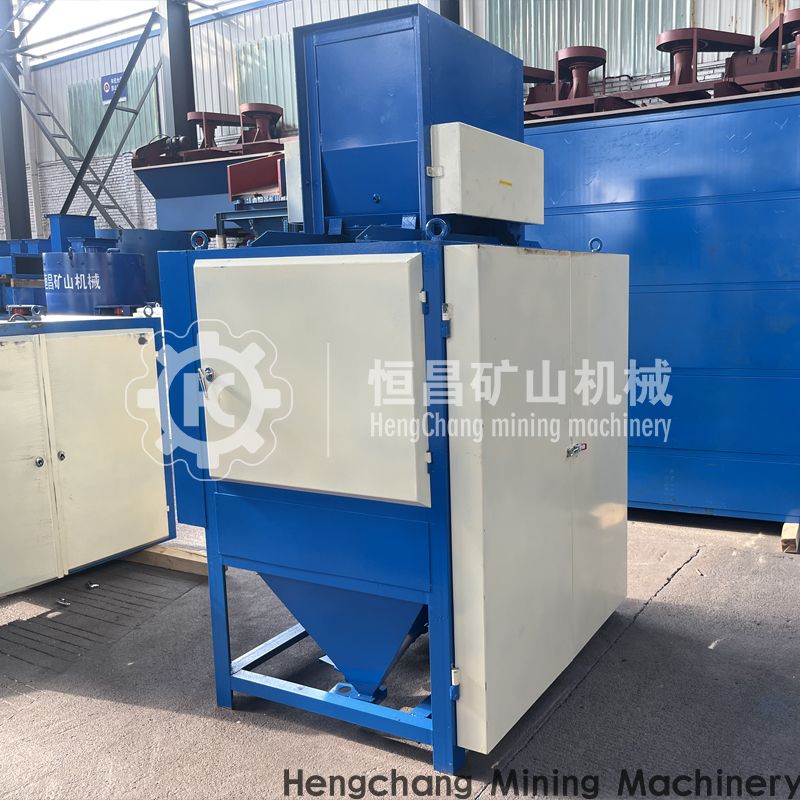
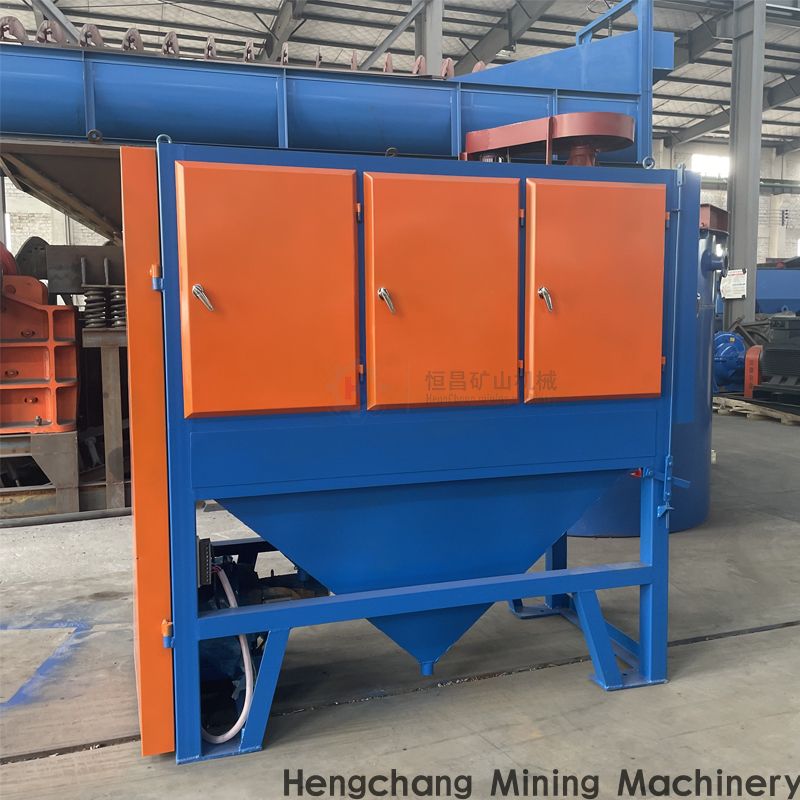
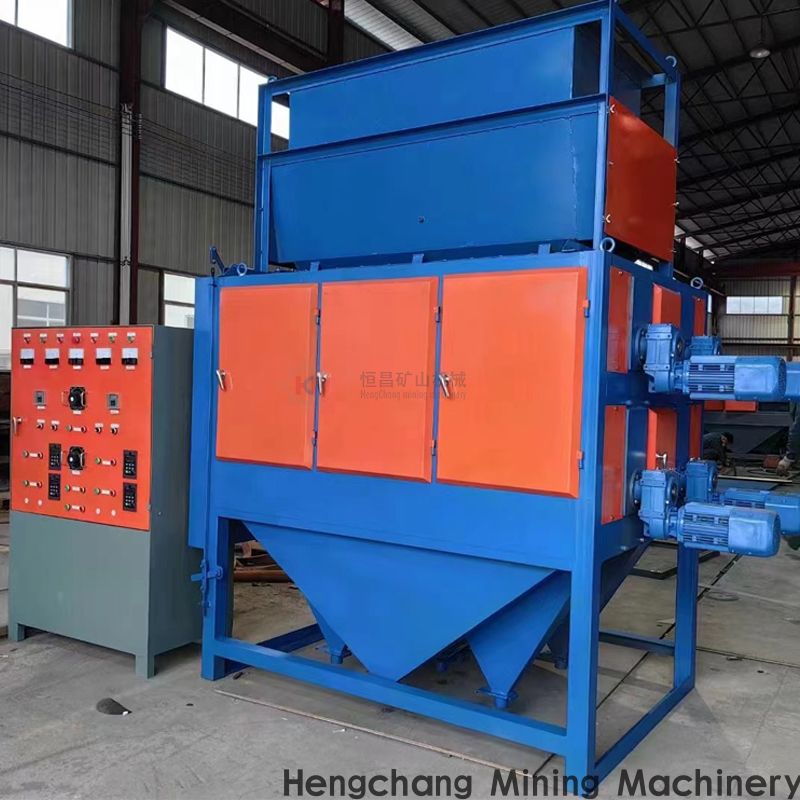
    Electrostatic separator, also known as high-tension electrostatic mineral separator, is a dry beneficiation equipment specially applied for the fine purification of heavy mineral concentrates after gravity separation and magnetic separation procedures, which is extensively adopted to separate mixed ores including wolframite, cassiterite, ilmenite, rutile, zircon and monazite. Different from magnetic separators that separate minerals relying on magnetic discrepancies, this machine realizes mineral sorting based on the distinct electrical conductivity of various mineral particles, and the whole separation process requires no water, making it an ideal choice for dry upgrading of tungsten-tin mixed concentrates.
    photobank (1).jpg

    Its core separation principle originates from the different charge-releasing capacity of conductive and non-conductive minerals under a high-voltage electrostatic field. During operation, mineral particles evenly pass over a rotating grounded metal roller, where a high-voltage electrode generates corona discharge to attach identical static charges to all ore grains at first. Once conductive mineral particles such as wolframite and ilmenite contact the conductive roller surface, their static charges will be quickly conducted to the ground, eliminating the electrostatic adsorption force between particles and the roller; under the combined effect of gravity and centrifugal force from the rotating roller, these conductive minerals fall off the roller in advance and are collected as conductive concentrates. In contrast, non-conductive minerals like cassiterite and zircon cannot rapidly release static charges, so they remain firmly adsorbed on the roller surface and keep rotating along with the roller until a cleaning brush scrapes them off at the back of the roller to form non-conductive products. Operators can adjust the voltage of auxiliary electrodes to alter the electric field strength flexibly, so as to optimize separation precision and effectively lift the grade of target tungsten and tin minerals.


    Related Product

    Related Case

    Related Solution