Chinese


JXSC Ghana Gold Centrifugal Concentrator 30TPH Price & Process Flow for Alluvial Mining
Why Small-Scale Miners in Ghana Are Switching to This Machine
If you're working alluvial gold in Ghana, you know the struggle. Too much clay, not enough water, and a constant battle to get decent recovery rates. I've talked to dozens of miners in Obuasi, Tarkwa, and the Upper East region, and the story is always the same: "We need something that handles sticky material, uses less water, and doesn't cost an arm and a leg."
That's exactly where the JXSC Ghana Gold Centrifugal Concentrator steps in.
This isn't some fancy lab toy. It's a rugged, field-tested machine designed for African conditions. And at 30 tonnes per hour, it hits the sweet spot for medium-scale operations.
Let me walk you through how it works, what it costs (spoiler: it's way less than imported brands), and why Ghanaian miners are swapping their mercury setups for this.
What Makes the JXSC 30TPH Centrifugal Concentrator Special?
First, the basics. A gold centrifugal concentrator uses high-speed rotation to create centrifugal force – up to 200 G's. This force pushes heavy gold particles to the wall of the rotating bowl, while lighter sand and gravel wash out.
The JXSC model is built specifically for alluvial mining – think riverbeds, old terraces, and floodplains. It's not for hard rock crushing (that's a different beast). Here's what sets it apart:
Gravity-fed design – no pumps needed for most setupsHigh recovery – typically 90-95% for free gold down to 74 microns
Low water usage – around 1.5-2 m³ per ton, compared to 4-6 m³ for sluice boxes
Rugged build – all steel, welded frame, corrosion-resistant
The 30TPH model is their best-seller in Ghana. Not too big, not too small. Just right for a crew of 5-8 people.
Case Studies: Real Miners Using This Machine in Ghana
Case 1: Small-scale operation in Prestea A group of seven miners was using a modified trommel with mercury. Recovery? Maybe 60%. They switched to a JXSC 30TPH with a shaking table. First month: recovery jumped to 88%. They cut mercury completely. The machine paid for itself in 4 months.
Case 2: Medium-scale setup in Bibiani This operation had two old-style jigs. They were wearing out fast. They replaced one jig with the JXSC concentrator. Processing time dropped from 8 hours to 3 hours for the same tonnage. The gold they recovered was finer – stuff that was going out the tailings before.
Case 3: Alluvial operation in the Volta Region High clay content was killing their recovery. Trommels clogged, screens blinded. The JXSC concentrator, with its fluidized bed design, handled the clay without issue. They added a simple scrubber ahead of the concentrator, and recovery stayed consistent.
How Does the Process Flow Work? (Step-by-Step)
Let's say you've got a typical alluvial deposit. Here's the simple flow:
Excavation – Backhoe or excavator feeds into a hopperScrubbing – If clay is heavy, run it through a trommel scrubber or washing drum
Screening – Remove oversize (+10mm material) – this goes to waste
Slurry feeding – The -10mm material is fed into the concentrator (gravity or pump)
Concentration – The spinning bowl captures gold, tailings wash out
Concentrate cleanup – After a batch cycle (typically 1-2 hours), stop the machine, flush the concentrate into a pan or shaking table

That's it. No mercury, no chemicals. Just water, gravity, and centrifugal force.
What Kind of Ore Works Best?
This machine loves:
Alluvial gold – river sand, gravel, terrace depositsPlacer gold – fine gold, flour gold, nuggets up to 5mm
Old tailings – many miners are reprocessing old dumps with this machine
Low-grade deposits – if the grade is 0.1-0.5 g/t, the high recovery makes it viable
It doesn't work well for:
Hard rock – you need crushing firstSulfide-bearing ore – chemical leaching might be needed
Very fine gold (<20 microns) – a shaking table or enhanced gravity separator is better
Price: What Does a 30TPH JXSC Centrifugal Concentrator Cost?
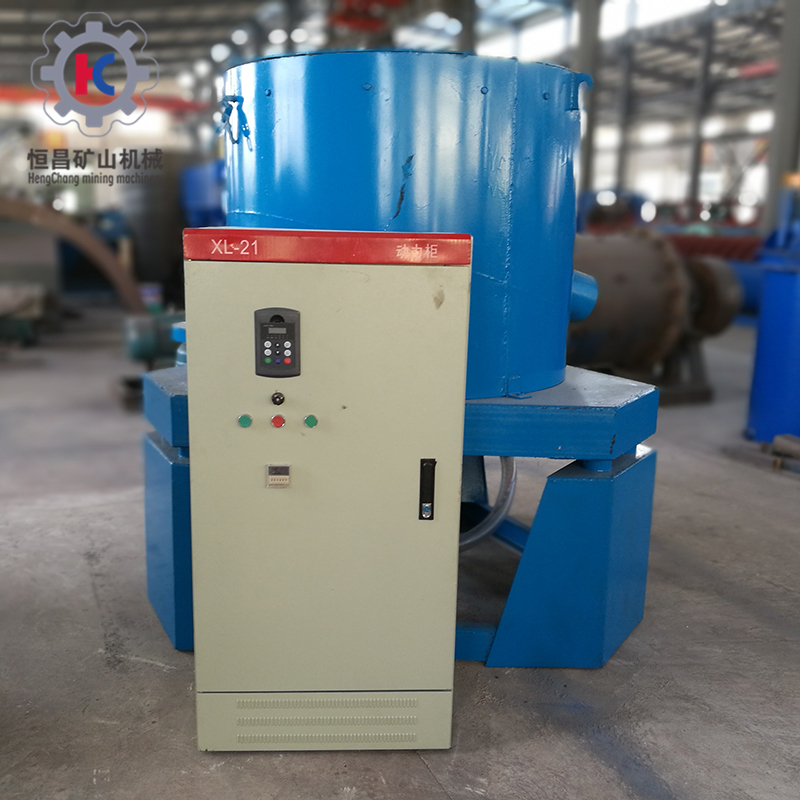
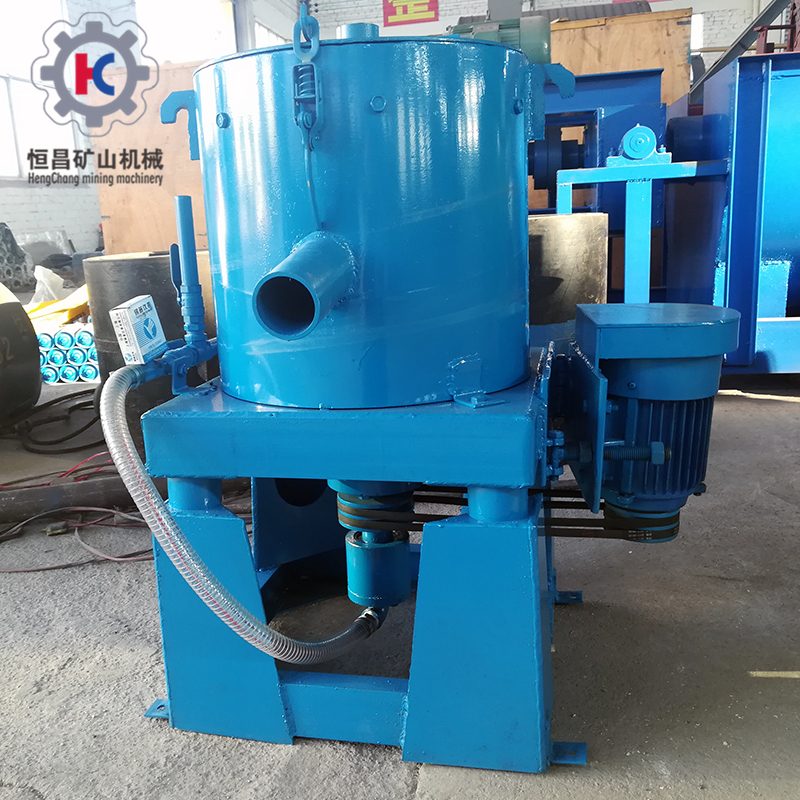
This is the big question. Prices vary depending on:
Motor type (electric vs. diesel)Control system (manual vs. PLC)
Accessories (feed chute, tailings pipe, etc.)
Shipping to Ghana (port charges, customs)
A ballpark figure: USD $8,000 – $15,000 for a brand-new JXSC 30TPH unit.
Compare that to a similar capacity Knelson concentrator (Canadian brand) – you're looking at $25,000-$40,000. The JXSC gives you 70-80% of the performance at 30-40% of the cost.
Pro tip: Buy directly from the factory. JXSC has agents in Ghana, but if you can deal direct, you'll save on middleman costs.
How to Maintain It (Simple Tips for Long Life)
This machine is low-maintenance, but neglect kills it. Here's what I tell every operator:
Rinse after each shift – Run clean water through for 5 minutes to flush out sandCheck rubber components – The bowl lining and seals wear out every 6-12 months. replace them early.
Lubricate bearings – Every 50 hours, grease the main bearing
Balance the bowl – If it vibrates, check for uneven wear or material buildup
Inspect drive belt – A slipping belt means less G-force and lower recovery
Most problems come from abuse – letting it run dry, feeding oversize material, or ignoring vibrations. Treat it right, and it'll run 5-10 years.
Comparison: Centrifugal Concentrator vs. Sluice Box vs. Jig
| Feature | JXSC Concentrator | Sluice Box | Jig |
|---|---|---|---|
| Recovery rate | 90-95% | 50-70% | 75-85% |
| Water usage | Low | High | Medium |
| Handling clay | Good | Poor | Fair |
| Fine gold capture | Excellent | Poor | Moderate |
| Maintenance | Moderate | Low | High |
| Cost per TPH | Medium | Low | High |
For alluvial gold with fine particles, the concentrator wins every time.
Where to Use the JXSC 30TPH in Ghana
This machine fits into:
Primary processing – standalone unit for small minesSecondary processing – after a trommel or scrubber to recover fine gold
Tailings reclamation – many sites have old dumps with 0.2-0.5 g/t gold, which is profitable with this concentrator
Demonstration plants – for training new miners or testing deposit viability
Final Word: Is It Worth the Investment?
Look, no machine is perfect. The JXSC 30TPH has limits – it's not for massive hard rock operations, and it needs a consistent feed. But for a Ghanaian small-scale miner processing alluvial gold?
Absolutely.
The price is right. The recovery is excellent. It's built for African conditions. And it reduces or eliminates the need for mercury – which is good for your health and the environment.
If you're serious about upgrading your operation, give this machine a serious look. Contact JXSC directly or find a local agent in Ghana. Ask about the 30TPH model, talk about your deposit type, and get a quote.
Your gold recovery will thank you.
Need help deciding if a centrifugal concentrator fits your deposit? drop a comment or message. I've worked with hundreds of operations across Africa – happy to help with equipment selection.