Chinese


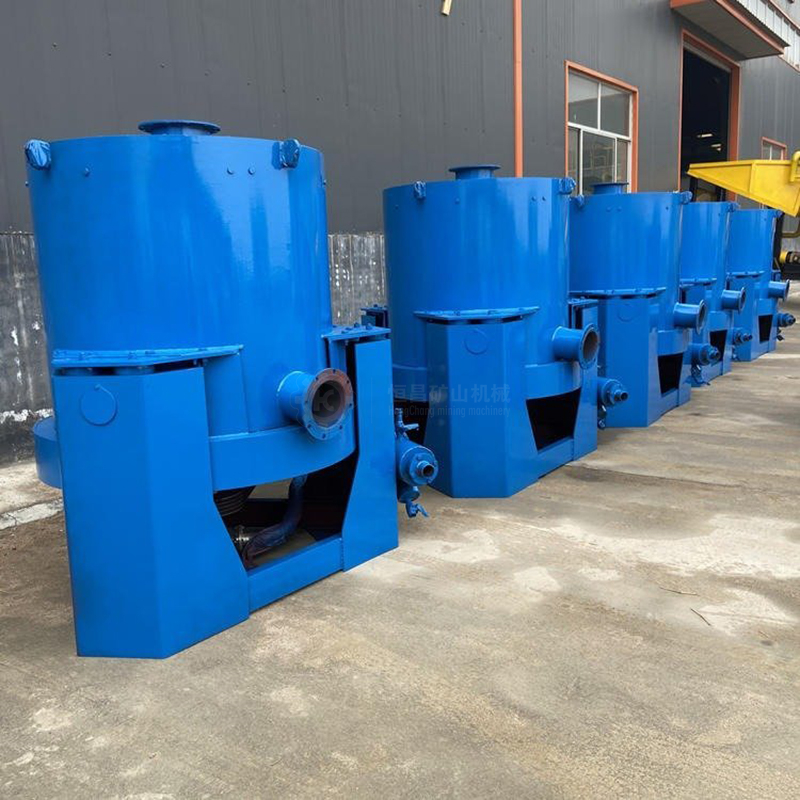
JXSC Ghana Nelson Gold Centrifuge 30TPH Price Advantages for Alluvial Plant
If you’re running an alluvial gold operation in Ghana—or anywhere in West Africa—you know the struggle: high clay content, tricky fine gold recovery, and equipment that just can’t keep up with the dirt.
That’s exactly why the JXSC Ghana Nelson Gold Centrifuge (30 TPH) has become a hot topic among plant managers and mine owners. It’s not just another centrifuge. It’s built for the real-world dirt you deal with.
In this article, we’ll break down:
What this machine is and how it worksReal use cases in African countries (Ghana, Mali, Sudan, etc.)
Price range and what you get for your money
Why it beats other gold recovery equipment
Maintenance tips from the field
Let’s dive in.
What Is a Nelson Gold Centrifuge?
A Nelson gold centrifuge (also called a Knelson-type concentrator) is a gravity separation device that recovers fine and coarse gold using centrifugal force. The JXSC Ghana version is tailored for 30 tons per hour throughput—a sweet spot for medium to large alluvial plants.
Key components:
Rotating bowl with fluidization waterConcentrate discharge system
Automatic or semi-automatic control panel
Heavy-duty frame for rough site conditions
How It Works (No Jargon, Just Real Talk)
Imagine a high-speed washing machine spinning mud. The heavy stuff (gold) gets pushed to the walls. Lighter sand and clay wash out.
Step-by-step:
Slurry (sand + water + gold) enters the centrifuge bowl spinning at high RPM.Centrifugal force pushes heavy gold particles toward the “rifle” grooves.
Fluidization water loosens the bed so fresh gold can keep settling.
Tailings (waste) discharges continuously.
Concentrate (gold + heavy minerals) is collected periodically.
Result? Up to 90–95% recovery for fine gold (down to 10 microns), plus all coarse nuggets.
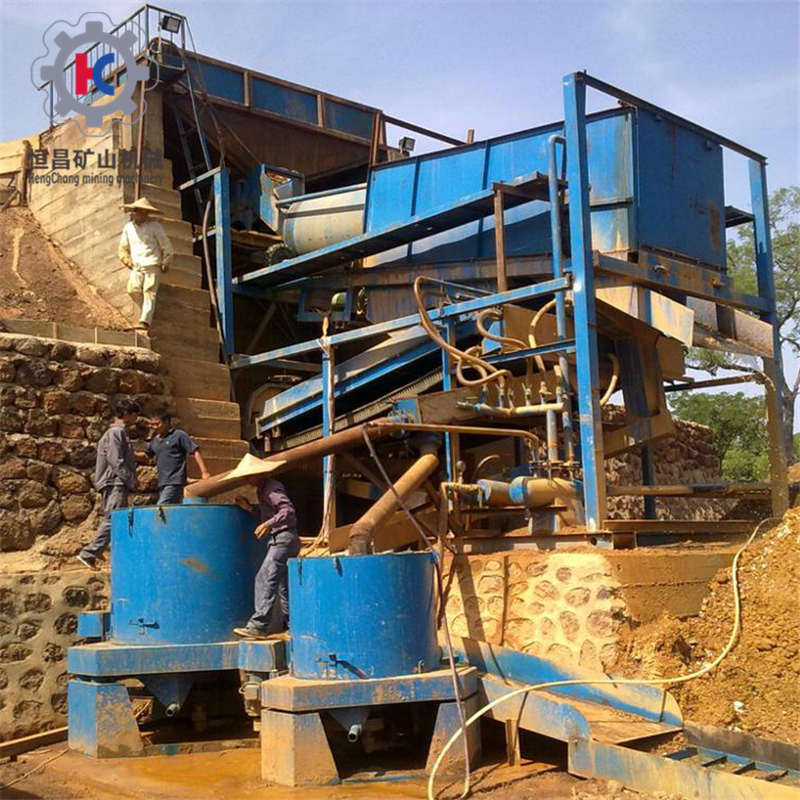
Real-World Use Cases Across Africa
This isn’t just a “paper machine.” JXSC centrifuges are running right now in some of the toughest alluvial sites.
| Country | Application | Why It Works |
|---|---|---|
| Ghana | Small- to medium-scale alluvial plants (Obuasi, Tarkwa) | Handles 30 TPH, recovers fine gold even with heavy clay |
| Mali | Riverbed operations (Kayes region) | Low water consumption + high recovery in remote sites |
| Sudan | Artisanal mining upgrades | Simple operation, no chemicals, local operators trained in 1 day |
| DRC | Alluvial & saprolite gold | Durable design, easy spare parts access |
| Cameroon | Mixed alluvial + weathered rock | Versatile for varying feed grades |
Example from Ghana: A plant near Dunkwa-on-Offin was losing ~0.5g/ton in their sluice tailings. After adding a JXSC 30TPH Nelson centrifuge, they recovered an extra 2.5g per ton of tailings. That’s $150+ extra per ton at current gold prices.
Price Range & What You Get
Let’s talk money. This is the part everyone wants to know.
JXSC Ghana Nelson Gold Centrifuge 30TPH – Estimated Price Range:
Base model (manual concentrate discharge): $18,000 – $22,000Semi-automatic model with PLC: $25,000 – $30,000
Full package (with pump, screen, piping): $35,000 – $42,000
Prices vary based on motor (diesel vs electric), control system, and local taxes (VAT, import duty).
What’s included?
Centrifuge bowl & drive assemblyControl panel (or manual valves)
Tool kit & spare parts kit
Why This Centrifuge Beats Other Methods
vs. Sluice Boxes
| Factor | Sluice Box | JXSC Nelson Centrifuge |
|---|---|---|
| Fine gold recovery | 30–50% | 85–95% |
| Operator skill needed | Moderate | Low (trained in 1 day) |
| Maintenance | High (matting wears out) | Low (few moving parts) |
| Space requirement | Large | Compact (2x2 meters) |
vs. Jigs
Jigs work well for coarse gold but struggle with fine gold (under 100 microns). The centrifuge excels at fines.
vs. Spiral Concentrators
Spirals need a consistent feed and flow. The centrifuge handles pulsing flow and variable solids.
vs. Other Centrifuges (generic brands)
JXSC uses thicker bowl steel (10mm vs 6mm) for longer lifeBetter bearing seals – fewer breakdowns in dusty sites
Local support in Ghana, Mali, Nigeria, and Ivory Coast
Processing Capacity & Parameters
Model: JXSC 30TPH (also available: 15, 20, 40, 50 TPH)Feed size: 0–6mm (larger with pre-screen)
Capacity: 25–35 tons/hour of solids
Water needed: 50–80 m³/hour
Motor: 22–30 kW (electric) or matching diesel engine
Weight: ~1,500 kg
Recovery rate: 90–95% for free gold (down to 10 microns)
Pro tip: Feed with a trommel or vibrating screen to remove oversize (+6mm). This protects the centrifuge and boosts recovery.
Daily Operation & Maintenance (From Real Field Experience)
You don’t need a PhD. But you do need to follow these basics.
Daily checks:
[x] Listen for bearing noise (grinding = bad)
[x] Look for bowl leaks (gaskets wear after 3–6 months)
[x] Monitor amps on motor (spikes indicate overload)
Weekly:
Clean out the concentrate discharge pipeInspect rifle grooves for wear (replace every 6–12 months)
Grease bearings (every 80 working hours)
Monthly:
Full inspection of bowl, seals, valvesTest water flow meters
Check drive belt tension
Field story: One operator in Mali ran 8 months without maintenance because “it’s strong.” The bowl wore down 15% inside. A simple weekly check would have saved $2,000 in replacement cost.
What Ores Work Best?
This centrifuge is not a magic bullet for every mineral. But for these ores, it’s a star:
| Ore Type | Suitability | Notes |
|---|---|---|
| Alluvial gold | Excellent | Sweet spot – 90%+ recovery |
| Placer gold (river) | Excellent | Works with clay, sand, gravel |
| Eluvial gold | Very good | Need to remove +6mm first |
| Saprolite (weathered rock) | Good | Pre-grind to –6mm |
| Hard rock (vein) | Not ideal | Need ball mill first, then use centrifuge as rougher |
Application Scenarios Summary
Primary recovery plant – replace sluices or jigs entirelyTailings retreatment plant – Recover gold your current system misses
Semi-mobile plant – Mount on trailer for seasonal operations
Artisanal upgrade – Help local miners increase recovery from 20% to 80%
Exploration & pilot plant – Verify gold grades before building full-scale
Final Thoughts: Is It Worth the Price?
Short answer: Yes – if you have fine gold or high clay content.
The JXSC Ghana Nelson Gold Centrifuge 30TPH isn’t the cheapest option upfront. But when you factor in:
90%+ recovery vs 40% for sluicesLower labor cost (less panning and retreatment)
Longer equipment life
Local service support
…the payback period can be 3–6 months for a well-run alluvial plant.
If you’re serious about improving your gold recovery without adding chemicals or complexity, this is the machine to consider.
This article was brought to you by the team at [JXSC Mine Machinery] – manufacturers of high-quality mineral processing equipment since 1985. For test reports, pricing, or a custom quote for your alluvial plant in Ghana, Mali, Sudan, or anywhere in Africa, contact your local JXSC dealer or visit jxscm.com.