Chinese


JXSC Ghana 20型 Gold Centrifuge 5-10TPH Processing Plant Case
Hey there, fellow miners and equipment enthusiasts! If you're reading this, chances are you're knee-deep in the gold rush — literally or figuratively. Whether you're a mine owner in Ghana, a technician in Tanzania, or a procurement officer sizing up equipment for your next project, you've probably heard the buzz about JXSC Ghana 20型 Gold Centrifuge and its 5-10TPH processing plant. But what's the real deal? Is it just another shiny machine, or does it actually deliver the goods?
Let me break it down for you — no fluff, just straight talk from the field. I've been around African mining sites from Kumasi to Dodoma, and I've seen what works and what doesn't. Today, I'm going to give you a no-BS walkthrough of this centrifuge plant. Think of it as your crash course in gold recovery that actually pays off.
What's the JXSC Ghana 20型 Gold Centrifuge All About?
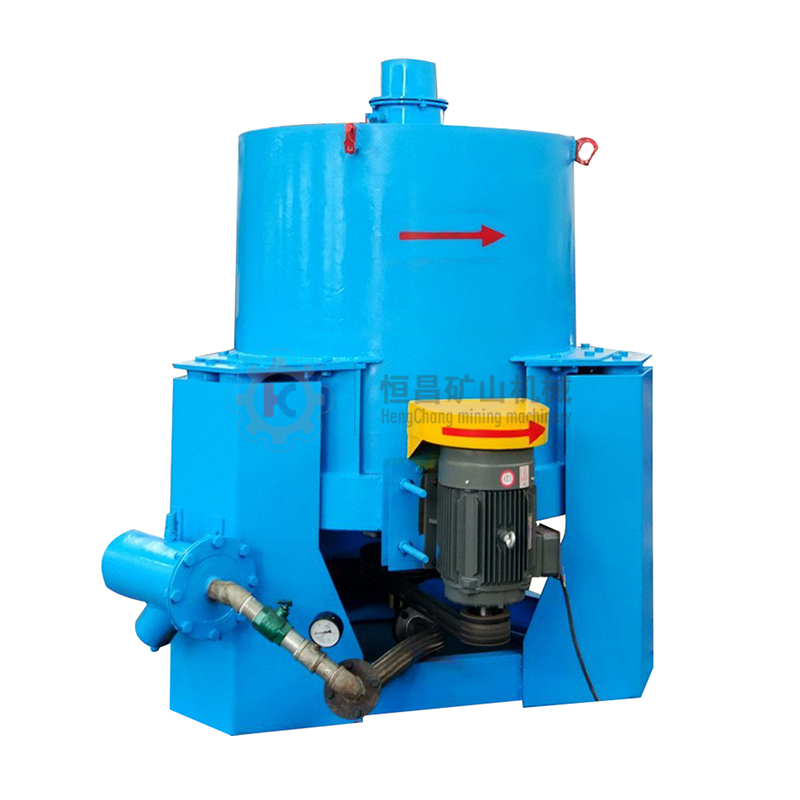
First things first — the JXSC Ghana 20型 is not your grandpa's sluice box. It's a centrifugal concentrator designed for small-to-medium scale gold operations. The "20型" refers to its model size, and the 5-10TPH means it can handle 5 to 10 tons of material per hour. That's a sweet spot for many African operations — not too big to break the bank, but big enough to justify your investment.
This machine is built by JXSC, a Chinese manufacturer that's been making waves in the African mining scene. And when I say "making waves," I mean they've got units running from Ghana to Mali, from Kenya to the DRC. It's not a theoretical product — it's proven.
How It Works (in Plain English)
Imagine a giant spinning bowl — that's the centrifuge. You feed the material (usually alluvial or hard-rock crushed ore) mixed with water into the top. The bowl spins at high speed, creating centrifugal force. The heavy gold particles get thrown against the walls and trapped in specially designed grooves, while the lighter waste material flows out as tailings.
Here's the kicker: unlike traditional methods where you lose fine gold, the centrifuge catches those tiny specks. We're talking particles as small as 0.1mm. In Ghana, where gold is often fine and difficult to recover by panning, this is a game-changer.
Structure Features That Matter
Durable Build: The bowl is made of high-strength steel with a wear-resistant lining. In the African heat and dust, that matters.Simple Design: No complex hydraulics or electronics that break down in remote areas. It's mechanical — the kind of thing a local mechanic can fix with basic tools.
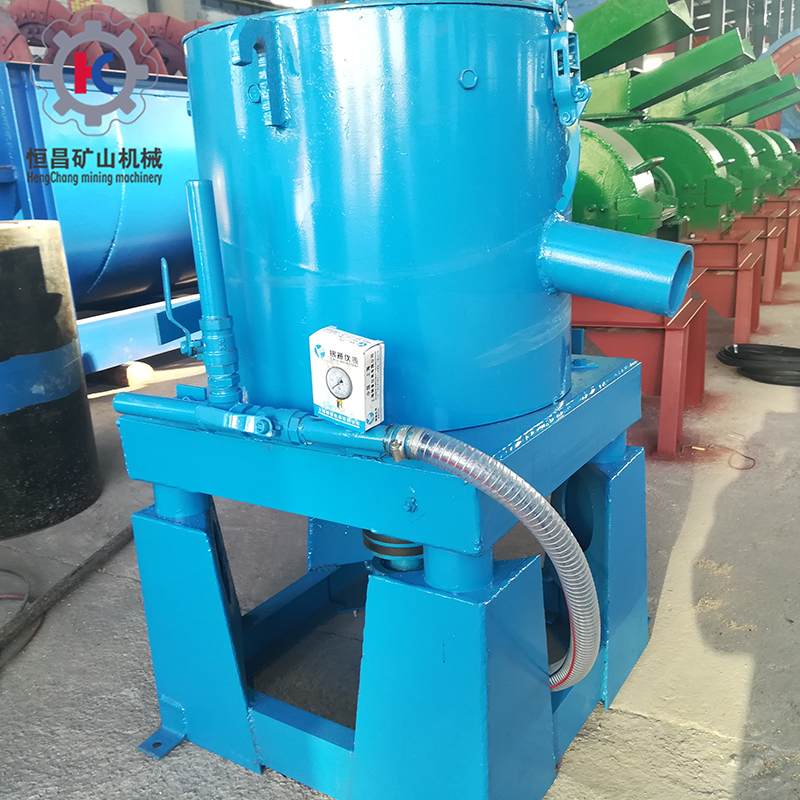
Continuous Discharge: Some centrifuges require you to stop and clean out the concentrate. The JXSC 20型 has an automatic discharge system, so you keep running.
Case Study: Ghana Operation — Real Numbers, Real Results
I visited a site near Obuasi, Ghana, where a small team was running a JXSC 20型 plant. Here's what they were doing:
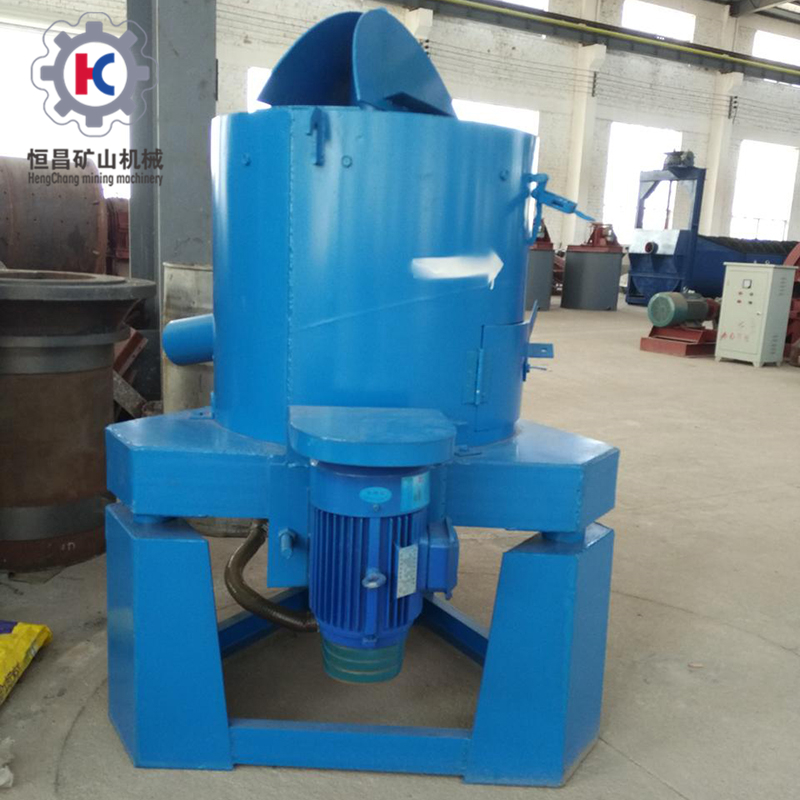
Setup: The plant consisted of a feeder, a trommel screen, the centrifuge, and a water pump. Total footprint: about 20m².
Daily Output: They processed 8 tons per hour for 10 hours a day (80 tons). Recovery rate: 92-95% for free gold. That's compared to about 60-70% with their old setup.
Gold Recovery: In one week, they recovered 2.3kg of gold. With gold at $2,000/oz, that's roughly $148,000 per month.
The operator, a guy named Kwame, told me: "Before, we were chasing gold but leaving half behind. Now, every gram counts."
Other African Use Cases
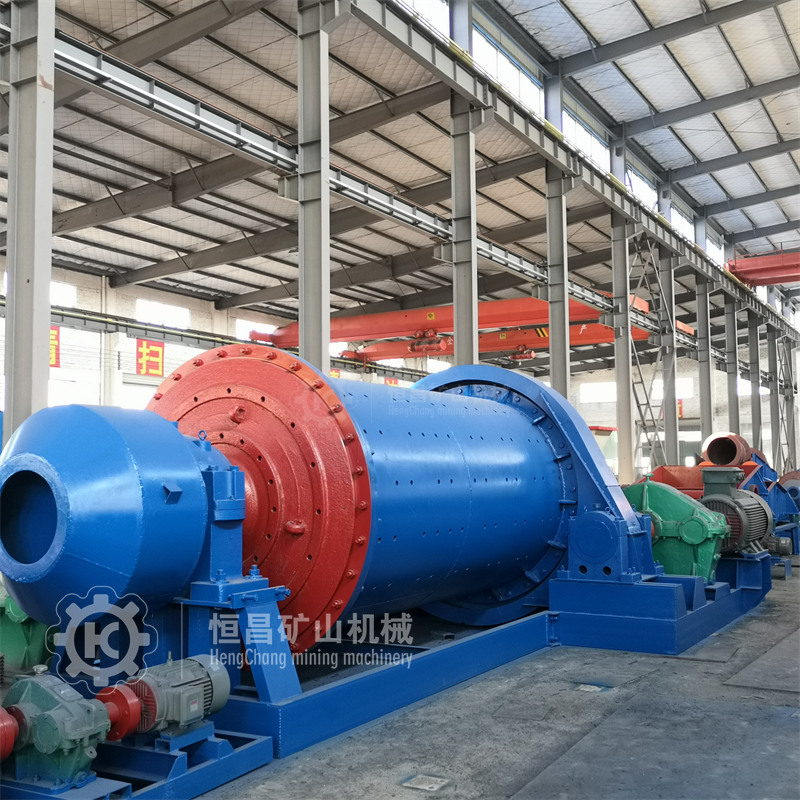
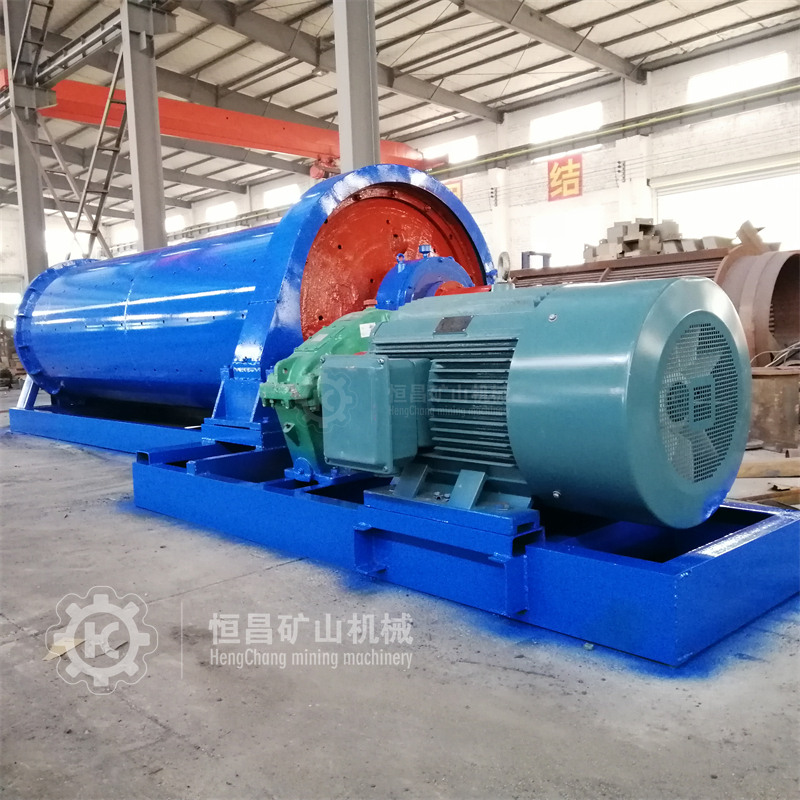
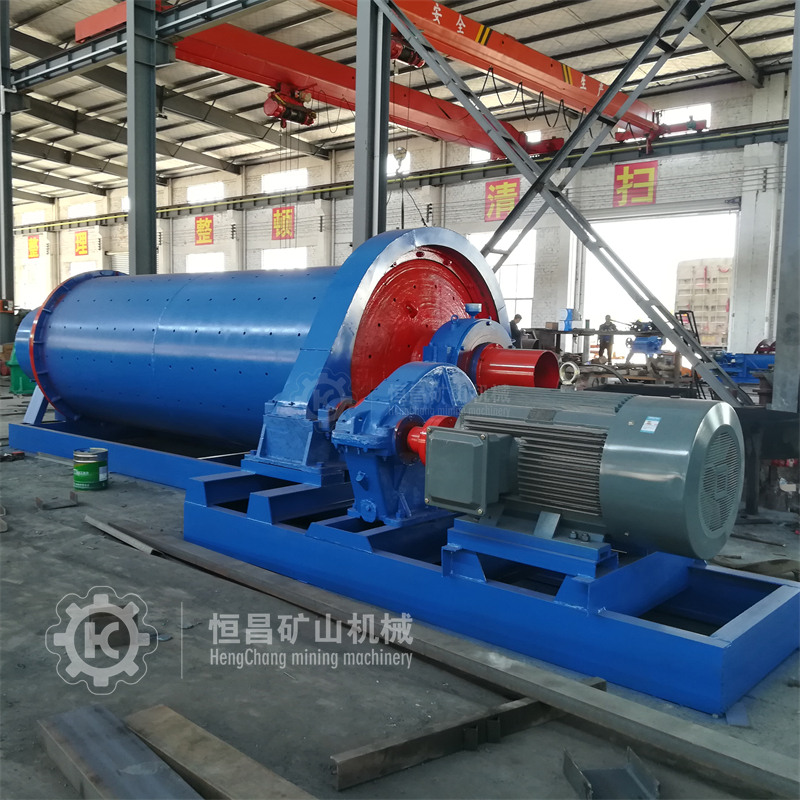
Tanzania: Hard-rock gold ore processed through a ball mill and then fed to the centrifuge. Fine gold recovery improved from 50% to 85%.Mali: Used in an artisanal operation for alluvial deposits. The centrifuge replaced mercury, which was a health hazard.
DRC: Copper-gold ore. The centrifuge helped separate gold before copper flotation, reducing reagent costs.
What Ores Does It Work For?
Gold is the star, but not the only one. The JXSC 20型 handles:
Alluvial gold (river gravel, sand)Placer gold (old riverbeds)
Hard-rock gold (crushed ore)
Tin, tungsten, tantalum — anything heavy and valuable
Recycling — recovering gold from old tailings
Does it work for iron? No. For diamond? Not really. But for precious metals and heavy minerals, it's a beast.
Processing Parameters (What You Need to Know)
| Parameter | Value |
|---|---|
| Capacity | 5-10 TPH |
| Bowl Speed | 400-600 RPM |
| Water Consumption | 3-5 m³/hour |
| Motor Power | 7.5 kW (10 HP) |
| Recovery Rate | 90-95% for free gold |
| Maximum Feed Size | 5-6 mm after grinding/screening |
| Weight | 1,200 kg |
Pro Tip: Don't feed it with big rocks. You need a trommel or screen before it. The 5mm max size is crucial — oversize material will damage the grooves and reduce recovery.
Operation and Maintenance — Keeping It Running
Daily Checks
Water supply: Too little = poor recovery. Too much = material blows out. Adjust to get a smooth flow.Vibration: If it's shaking like a washing machine on spin cycle, check the bearings and bolts.
Discharge: Listen for the automatic discharge. If it's sticking, clean the outlet.
Bowl wear: Check grooves for wear every week. Once they're too flat, recovery drops.
Common Mistakes I See
Ignoring water quality: Muddy water can clog the grooves. Use clean water if possible.
Skipping maintenance: In Africa, dust is the enemy. Keep it clean, and it'll run for years.
JXSC 20型 vs. Other Gold Recovery Methods
| Method | Recovery Rate | Cost | Ease of Use | Best For |
|---|---|---|---|---|
| JXSC 20型 Centrifuge | 90-95% | Moderate (≈ $12,000-18,000) | Easy | Fine and coarse gold |
| Sluice Box | 60-70% | Low | Very easy | Coarse gold only |
| Shaking Table | 85-90% | Moderate | Moderate | Clean-up and fine gold |
| Mercury Amalgamation | 70-80% | Low (but toxic) | Easy but dangerous | Alluvial gold |
| CIL/CIP Plant | 95-99% | Very high | Complex | Large operations |
Verdict: The centrifuge is the sweet spot for 5-10 TPH operations. It's cheaper than a full CIL plant but far more efficient than sluices or mercury.
Conclusion: Is the JXSC Ghana 20型 Right for You?
Here's the bottom line:
If you're processing 5-10 tons per hour and want to recover both coarse and fine gold, this is your machine.If you're using sluice boxes and losing fine gold, this upgrade will pay for itself in weeks.
If you're in Ghana, Tanzania, Mali, or anywhere with alluvial or hard-rock gold, the JXSC 20型 is proven.
But don't take my word for it — get a sample of your ore and run a test. JXSC offers free test runs at their Ghana facility. Bring 50kg of your material, and they'll tell you the exact recovery rate.
Final tip: When you're ready to buy, make sure you get the right model for your ore type. JXSC has variations for different feed sizes and water conditions. And don't forget spare parts — orders take time in Africa, so stock up on bowl liners and bearings.
That's all, folks. Go get that gold — and leave no gram behind.
Got questions? drop them in the comments, or DM me. I'm happy to help with your 选矿设备选型 (mineral processing equipment selection). And if you need specs or pricing on the JXSC 20型, just ask.