Chinese


JXSC Zambia 120型 Gold Centrifugal Concentrator 200TPD Plant Case Price
Hey there, fellow miners and plant managers. If you're running a gold operation in Africa—especially in Zambia, Ghana, or Mali—you know the struggle. You want high recovery, low operating cost, and equipment that doesn’t break down after a month. But finding the right machine for your hard rock or alluvial gold can be a headache.
That’s where the JXSC Zambia 120型 Gold Centrifugal Concentrator comes in. I’m going to walk you through a real plant case: 200 tons per day, using this rugged machine. We’ll talk about the price, how it works, what it’s best for, and why it’s become a favorite among African small-to-medium scale operators.
Let’s dive in.
What Is the JXSC Zambia 120型 Gold Centrifugal Concentrator?
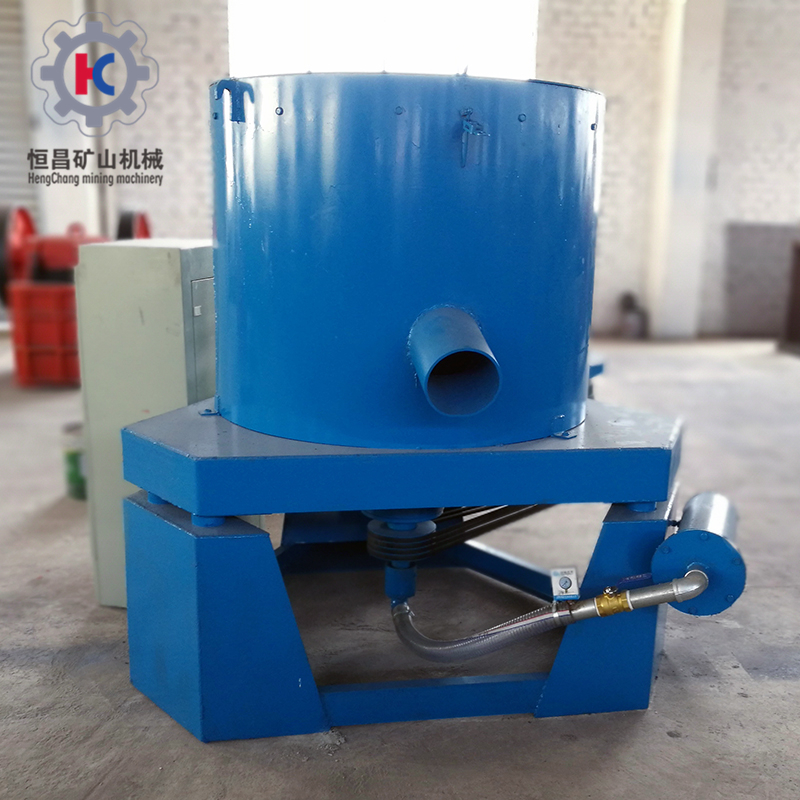
First, the basics. The "120型" refers to the model—a high-capacity centrifugal concentrator designed for fine gold recovery. It’s built by JXSC Mine Machinery Factory, a Chinese manufacturer with a solid reputation in the African market. This machine is the workhorse of the 200TPD plant we’re talking about.
Key specs at a glance:
Processing capacity: Up to 20 tons per hour (single unit). For a 200TPD plant, you’d typically use 2–3 units in parallel.Feed size: 0-4mm (screened material). Can handle up to 6mm with proper pre-screening.
Gold recovery: 85-95% for fine gold (>75 microns), up to 99% for coarse gold.
Power: 7.5kW motor, 380V/50Hz (standard for African mains).
Weight: ~1.8 tons per unit.
The "Zambia" in the name isn’t just marketing—it’s a reference to the fact that this model was optimized for Zambian copper-gold ores, which often have high clay content and fine gold particles.
Real Case: 200TPD Gold Plant in Zambia
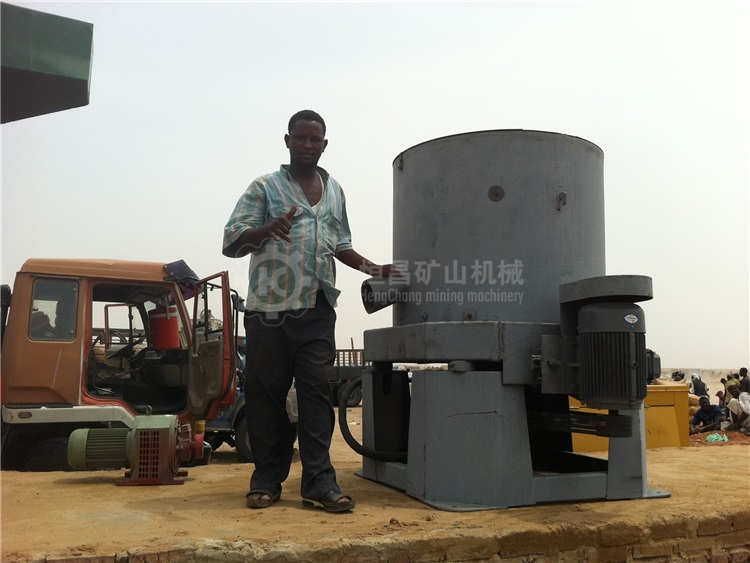
Let me paint you a picture. I visited a client’s site near Kitwe, Zambia, last year. They’re processing gold from a weathered copper-gold deposit. The ore is about 1.2 grams per ton. Not rich, but they’re doing 200 tons per day. The plant consists of:
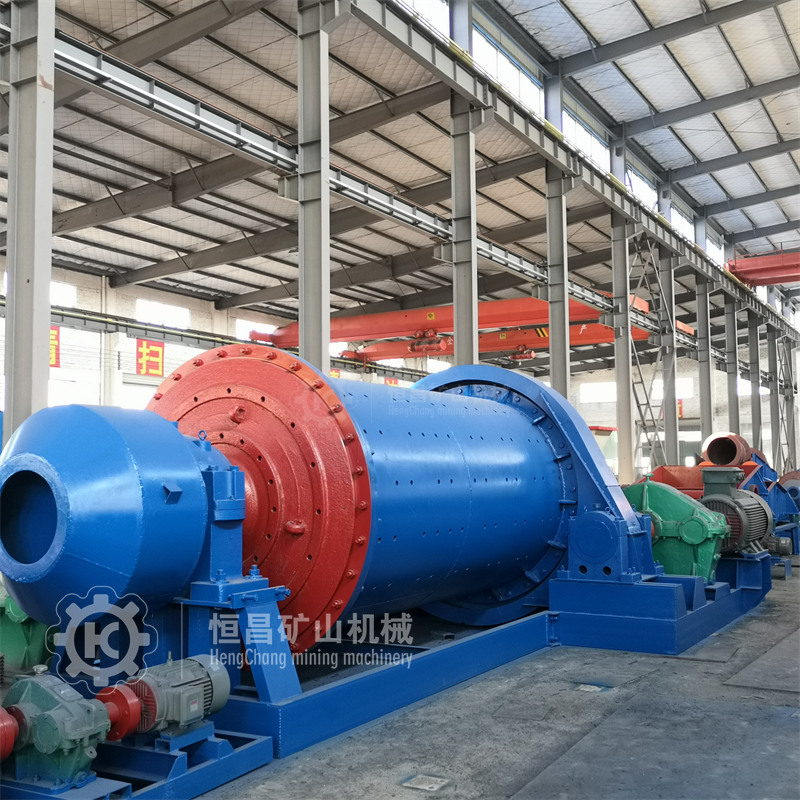
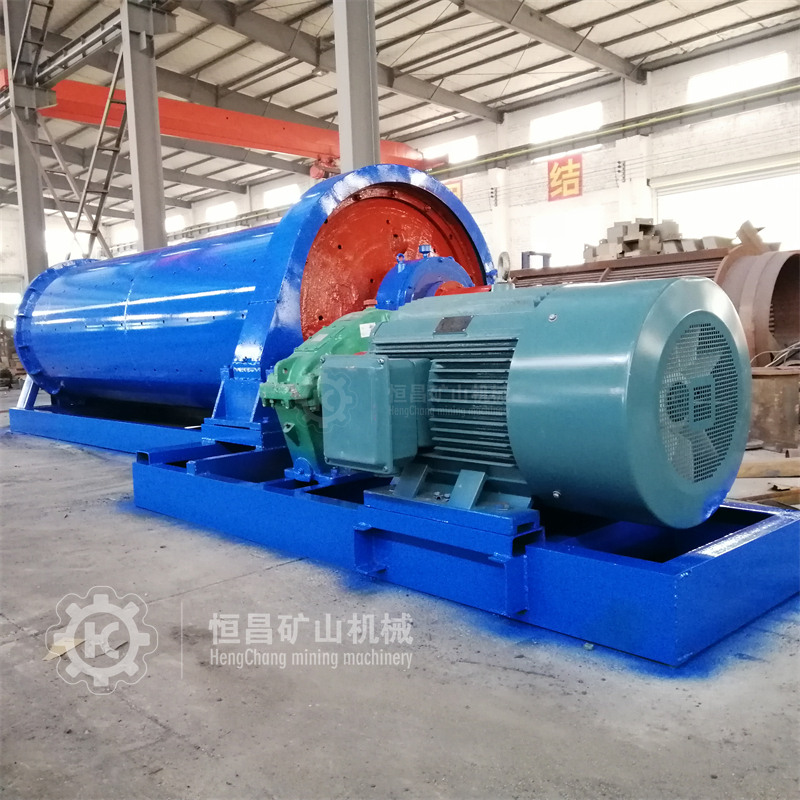
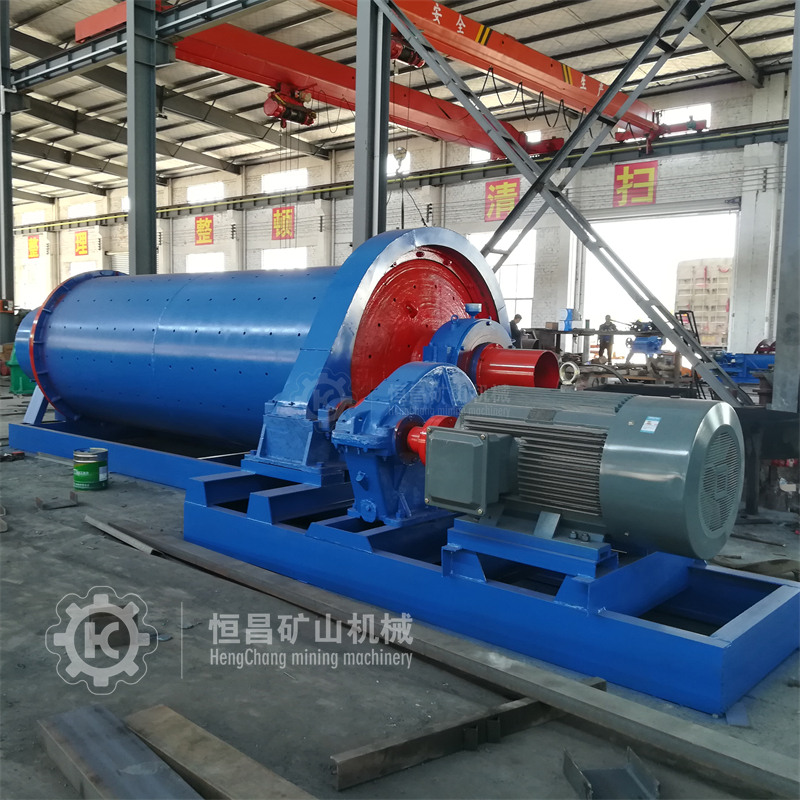
Jaw crusher (PE 400x600)Ball mill (1200x2400)
Spiral classifier
3 units of JXSC 120型 centrifugal concentrators
Shaking tables for final clean-up
The flow is simple: crush-grind-classify-concentrate. The 120型 machines run 20 hours a day, with 4 hours of cleaning (using a built-in flush system). Their average recovery rate: 91%, consistently. That’s impressive for a 1.2 g/t ore.
The owner told me: "We tried Knelson-type concentrators before. They were expensive and needed a lot of maintenance. These JXSC machines are simpler. My local mechanic can fix anything within an hour."
That’s the real value—reliability and ease of maintenance for African conditions.
How Does It Work? (The Simple Science)
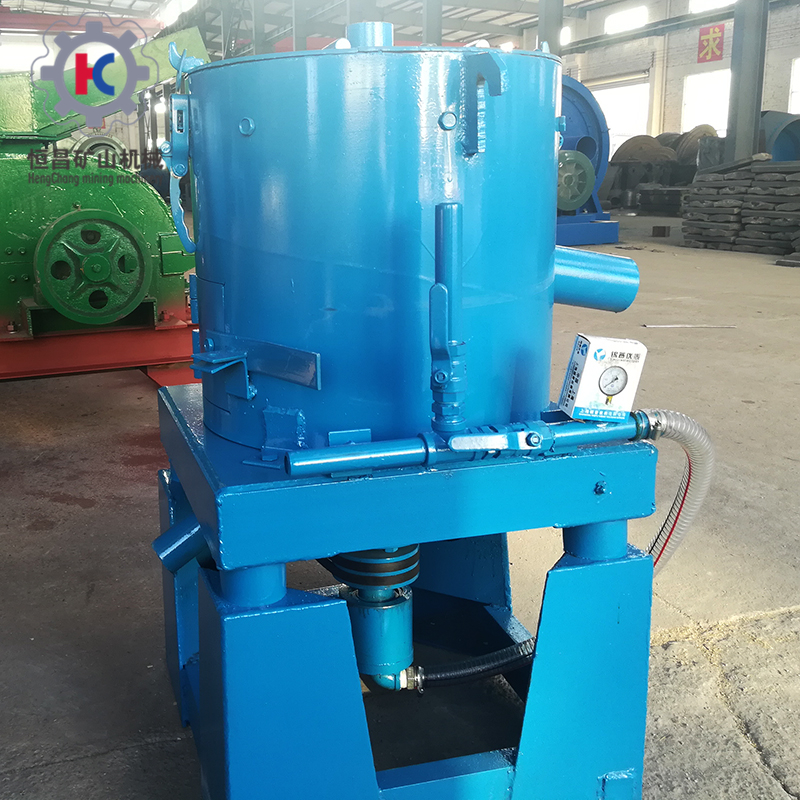
You don’t need a degree in metallurgy to understand this. The centrifugal concentrator uses a spinning bowl to create a high-G force. The slurry (water + ground ore) flows into the bottom of the bowl. The rotation forces the heavy gold particles (specific gravity ~19) against the bowl wall, where they get trapped in a ribbed groove system. The lighter waste material (gangue) overflows and goes to tailings.
The key components:
Bowl: Stainless steel, with replaceable rubber lining for wear resistance.Motor: Direct drive, no belt. Less moving parts = less breakdowns.
Control panel: Digital display for RPM and water flow. You can adjust the G-force for different ore types.
Pro tip: For African operators, always run the bowl at 60-80% of the maximum RPM. Too high and you’ll trap fine sand, decreasing recovery. Too low and gold will wash out.
What Ores Can It Handle?
This machine is a chameleon. Here’s what I’ve seen it successfully process:
| Ore Type | Examples | Recovery Notes |
|---|---|---|
| Alluvial gold | River sands, placers | Excellent. Add pre-screening for >6mm. |
| Hard rock gold | Quartz veins, sulfide ore | Good, but grind to <4mm. |
| Copper-gold | Mixed sulfide oxides | Works. Desliming before the concentrator helps. |
| Placer platinum | Stream deposits | Yes, but adjust RPM for PGE density. |
| Tailing re-processing | Old mining waste | Very effective. But remove magnetite first. |
What it doesn’t handle well:
High-silver ores (silver is lighter, recovery drops).Extremely fine “invisible” gold (microns <20µm)—you’ll need a leach circuit for that.
Advantages Over Competitors
You might ask: Why JXSC instead of a Knelson, Falcon, or a cheap Chinese copy?
Here’s the honest breakdown:
| Feature | JXSC 120型 | Knelson (CD12) | Chinese copy brands |
|---|---|---|---|
| Price (approx.) | $12,000–15,000 | $35,000–45,000 | $6,000–8,000 |
| Throw-away cost | Replaceable bowl liner | Entire bowl replacement | Low-quality materials |
| Maintenance | Local shop can repair | Factory service required | Often fails after 3 months |
| Spare parts in Africa | Yes, warehouse in South Africa | Limited | None |
| Recovery for fine gold | 85-95% | 90-98% | 60-80% |
The JXSC is the Goldilocks choice. Not as expensive as Western brands, but not as unreliable as the bottom-shelf Chinese copies. For a 200TPD plant, the total investment in 3 units + shipping + commissioning is about $45,000–55,000—roughly the price of one used Knelson.
Price: What to Expect
Let’s talk money. The price of a single JXSC 120型 centrifugal concentrator (new) in 2024:
FOB China (Shanghai): $11,800–13,500CIF to Dar es Salaam, Tanzania: $14,000–16,000 (includes shipping/insurance)
Delivered to Lusaka, Zambia: $15,500–18,000 (includes local transport + import duties)
For a 200TPD plant, the concentrator package is:
3 units of 120型 concentrators: $35,400–40,500Shipping to Zambian border: $4,000–6,000
Commissioning engineer (5 days on-site): $2,500–3,500 (including per diem)
Total concentrator investment: $42,000–50,000 for a complete system.
Note: Always ask for a detailed quote including spare parts (a set of bowl liners, rubber seals, and a spare motor). That’ll add about $1,500 but save you weeks of downtime.
Daily Operation and Maintenance
If you’re a plant manager, this is your checklist:
Daily (every shift):
Check RPM stability (target: 1200-1600 RPM, depending on ore density).Inspect feed slurry density (should be 30-40% solids).
Listen for unusual noises—if you hear a grinding sound, stop immediately (likely a stuck rock in the bowl).
Measure tailings gold content at least once per week.
Weekly:
Open the bowl, remove the concentrate. Expect 5-10 kg per unit per day.Clean the rubber grooves with a soft brush. Hard water builds scale.
Grease the bearings (2 pumps per zerk fitting).
Monthly:
replace the bowl liner if worn >5mm (measure with a caliper).Check belt tension (if fan belt is used).
Test the automatic flush system.
Pro tip for African conditions: Install a simple pressure gauge on the water inlet pipe. Many plants lose recovery because water pressure drops at night (when municipality pumps aren’t running). The concentrator needs at least 2 bar.
Why This Machine Works for African Gold Miners
I’ve been to plants in Ghana, Mali, Tanzania, and Zambia. The common problems are:
Erratic power supply — JXSC’s motor can tolerate ±15% voltage variation.Unskilled labor — The control panel has big buttons labeled in pictograms, not English.
Moisture and dust — The machine has an IP54-rated electrical box. That’s critical in humid African mines.
Remote location — Spare parts are stocked in Johannesburg, Nairobi, and Lusaka. You can get a new bowl liner in 3 days vs. 3 weeks from Germany.
One operator in Ghana told me: “I saved $30,000 buying this instead of a Knelson. I used the extra money to buy a Toyota Hilux for the site.” That’s the kind of practical thinking you need.
How to select the Right Centrifugal Concentrator for Your Plant
Not every gold plant needs a 120型. Here’s a simple selection guide based on your feed quality:
| Your daily tonnage | Concentrator model | Units needed | Budget range |
|---|---|---|---|
| < 50 TPD | JXSC 80型 | 1 | $8,000–12,000 |
| 50–150 TPD | JXSC 100型 | 1–2 | $10,000–20,000 |
| 150–300 TPD | JXSC 120型 | 2–3 | $20,000–50,000 |
| > 300 TPD | JXSC 150型 + flotation | 4–5 | $50,000+ |
The JXSC 120型 is the sweet spot for 200–300 TPD plants that want a balance of recovery and cost. If your gold is mostly coarse (>500µm), you can even skip the ball mill and feed the crusher product directly to the concentrator. That’s a huge saving in Capex.
Application Scenarios: When to Use the 120型
Here are three common setups I’ve seen in Africa:
1. Standalone high-G concentrator (alluvial gold)
Feed: River sand with 0.5–2 g/t gold.Plant: Trommel screen → concentrator → tailings pond.
Daily throughput: 200 TPD.
Recovery: 90%+.
Best for: Artisanal cooperatives upgrading to semi-industrial operation.
2. Combination with shaking table (hard rock)
Feed: Mill discharge at 30% solids.Flow: Concentrator primary → shaking table clean-up → pure gold.
Your final product: 85–92% Au, ready for sale to refineries.
Best for: Small formal mines producing 10–20 kg gold per month.
3. Tailings re-treatment plant
Feed: Old dam tailings with 0.3–0.8 g/t gold.Use a desliming cyclone first, then concentrator.
You can recover 60–70% of the gold without chemicals.
Best for: Those with environmental permits and low-grade stockpiles.
Technical Parameters You Need to Know
If you’re buying a JXSC 120型, request the full spec sheet, but here are the critical numbers:
| Parameter | Value | Notes |
|---|---|---|
| Bowl diameter | 1200 mm | |
| Max feed particle | 6 mm | Recommend <4 mm |
| Slurry density | 30-40% solids | Adjust with water if needed |
| Water consumption | 10-15 m³/h per unit | Recycle water if possible |
| G-force | 80-150 G | Adjust for gold vs. PGMs |
| Recovery for coarse gold (>100 µm) | 98% | |
| Recovery for fine gold (40-100 µm) | 85-90% | |
| Motor power | 7.5 kW | 380V, 50Hz |
| Weight | 1800 kg |
The Bottom Line: Is It Worth It?
Look, I’m not going to say this machine is perfect—no equipment is. But for a 200TPD gold plant in Africa, the JXSC Zambia 120型 is hands-down the best value option. It gives you 90%+ recovery for a fraction of the price of Western brands. The maintenance is doable by a local fitter. The spare supply chain works. And the manufacturer—JXSC—has been in the game since 1985. They’re not going anywhere.
My recommendation:
If your budget is under $50K: Buy 2 units of the 120型. It’s enough for 150 TPD.If you need 200 TPD: Get 3 units. Over-investing in concentrators is never a mistake—these are the money-making part of the plant.
Always buy a spare bowl liner and a motor. Trust me on this.
The gold price is high now. Don’t overspend on machinery. Get a solid, simple, cost-effective concentrator that works in your dusty, hot, remote African mine. The JXSC 120型 is that machine.
Got questions? Reach out to JXSC’s Zambia office. They’ll give you a free plant layout and a pro forma invoice. And if you’re in the region, ask for a visit to the Kitwe site—seeing it run in real conditions is worth more than a thousand words that you can write in a spec sheet.
Happy gold mining, and may your recovery rates be high.