Chinese


JXSC Zambia Copper Ore Beneficiation Plant 100TPH Flotation Machine Process & Cost
Hey there, fellow miners and plant operators!
If you’re reading this, chances are you’re either sitting on a copper-rich deposit in Zambia, or you’re planning to set up a small-to-medium scale beneficiation line. Either way, you’ve come to the right place.
Today, we’re going deep into one of our most popular setups: the JXSC 100TPH copper ore flotation plant in Zambia. We’ll cover the machines, the process flow, the real-world cost, and the day-to-day operations. No fluff, no salesman talk – just practical, hands-on knowledge that you can use right away.
Let’s dive in.
Why Zambia? – The Copper Heart of Africa
Zambia is literally called the “Copperbelt” for a reason. The country sits on one of the world’s largest copper reserves. But here’s the thing: not all ore is high-grade. A lot of miners are dealing with mixed sulfide-oxide ores, low-grade stockpiles, or complex intergrowths. That’s where a well-designed flotation plant becomes your best friend.
We’ve installed JXSC equipment in several Zambian sites – from the Ndola area to Kitwe and Chingola. Our customers typically process 100–200 tonnes per day, and they see recoveries of 85–92% on copper sulfides.
The Core Machine: JXSC Flotation Machine – How It Works
Let’s keep it simple.
Imagine you have a bucket of crushed ore mixed with water and some special chemicals (called reagents). You stir it up, blow air bubbles through it, and – if you do it right – the copper particles stick to the bubbles and float to the top. The waste rock sinks to the bottom. You skim off the froth, dry it, and you have your copper concentrate.
That’s flotation in a nutshell.
Our JXSC flotation machine uses a self-aerating mechanism – meaning it pulls in air naturally without needing an external blower. This saves you electricity and maintenance. The impeller design creates a strong suction, giving fine bubbles that capture even tiny copper grains.
Key Structural Features of Our JXSC Flotation Cell
| Feature | Why It Matters for You |
|---|---|
| Stainless steel impeller | Resists wear from abrasive copper ore – lasts 2–3 seasons |
| Self-aspirated air intake | No air compressor needed – lower capital cost |
| Easy-foam launder design | Quickly removes froth without clogging |
| Non-settling tank shape | Prevents sanding at shutdown – reduces maintenance |
| Modular cell arrangement | Add or remove cells as your capacity grows |
The Complete 100TPH Plant Process Flow – Step by Step
This is the setup we recommended for a client in Masaiti district, Zambia, who was processing a mixed copper ore (chalcopyrite with some malachite).
Step 1: Crushing (Jaw Crusher + Cone Crusher)
Feed size: 300–400mm run-of-mine oreJaw crusher reduces to 80–100mm
Cone crusher takes it down to 12–20mm
Pro tip: Use a vibrating feeder to avoid overloading the jaw
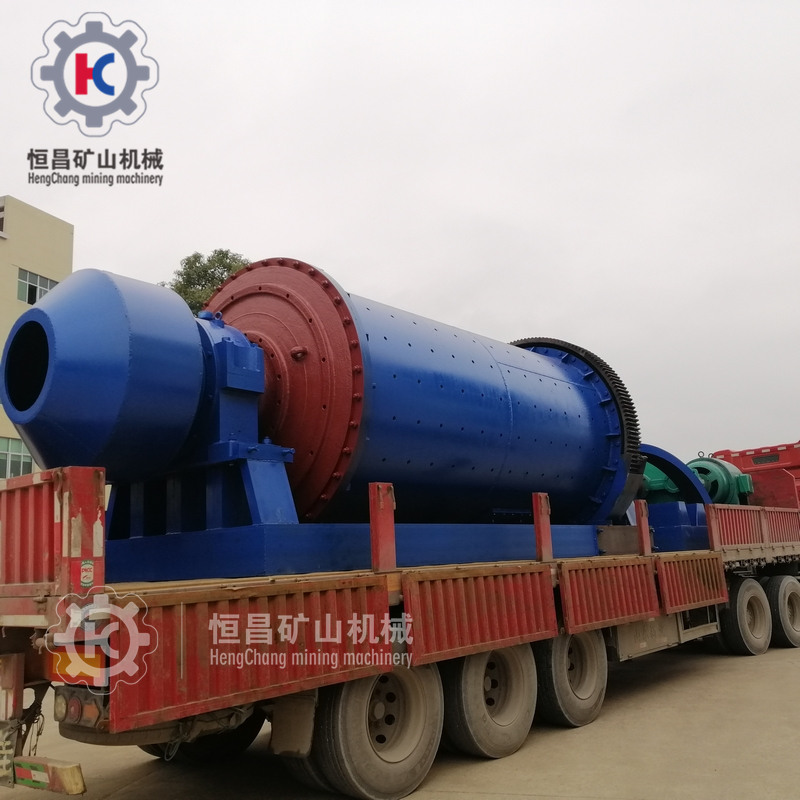
Step 2: Grinding (Ball Mill + Spiral Classifier)
Wet grinding to achieve 70–75% passing 200 mesh (0.074mm)The spiral classifier returns oversize particles to the mill for regrinding
Watch the circulating load – keep it under 250% for best efficiency
Step 3: Conditioning (Conditioner Tank)
Here, you add your reagents: Xanthate collector (e.g., potassium amyl xanthate – 80–100 g/t)Pine oil frother (30–50 g/t)
Lime for pH control (pH 10–11 for sulfides)
Mix for 5–10 minutes before flotation
Step 4: Rougher Flotation (6 cells – 2.8m³ each)
This is where 85% of your copper is recoveredConcentrate grade: ~18–22% Cu
Tailings go to scavenger flotation
Step 5: Scavenger Flotation (4 cells)
Picks up the remaining copper from rougher tailingsMiddlings are recirculated to the ball mill
Final tailings: 0.15–0.20% Cu (good for low-grade ore)
Step 6: Cleaner Flotation (3 cells)
Upgrades rougher concentrate to 28–32% Cu
Rejects gangue minerals
Step 7: Thickening & Filtration
Thickener underflow: 55–60% solidsFilter press produces a cake with 8–10% moisture
Final product ready for smelter
Processing Parameters You Need to Know
| Parameter | Value |
|---|---|
| Plant capacity | 100 tonnes per day (4.17 t/h) |
| Operating hours | 24 hours/day (3 shifts) |
| Power consumption | ~18–22 kWh per tonne of ore |
| Water consumption | 2.5–3.0 m³ per tonne of ore |
| Reagent cost | $4–6 per tonne of ore |
| Concentrate grade | 28–32% Cu |
| Recovery rate | 88–92% |
Note: Actual values depend on your ore mineralogy. We always recommend a lab test first.
Cost Breakdown: What Does a 100TPH Flotation Plant Cost?
Let’s talk real numbers. This is based on a recent quotation for a Zambian customer (FOB Shanghai or CIF Dar es Salaam).
Equipment Cost (JXSC Brand)
| Item | Quantity | Unit Price (USD) | Total (USD) |
|---|---|---|---|
| PE-400×600 Jaw Crusher | 1 | 12,800 | 12,800 |
| PYB-900 Cone Crusher | 1 | 18,500 | 18,500 |
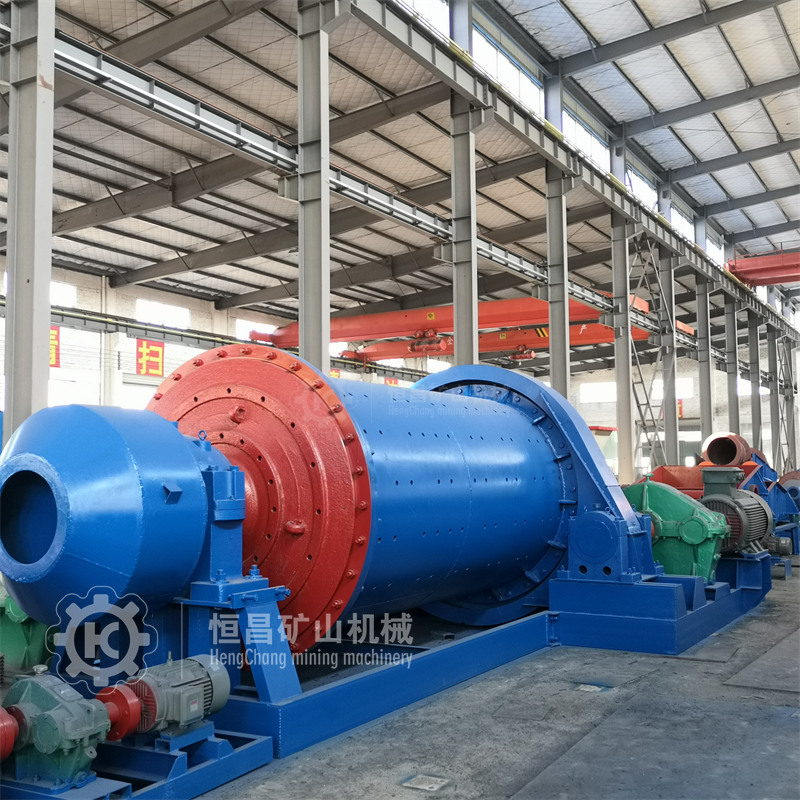
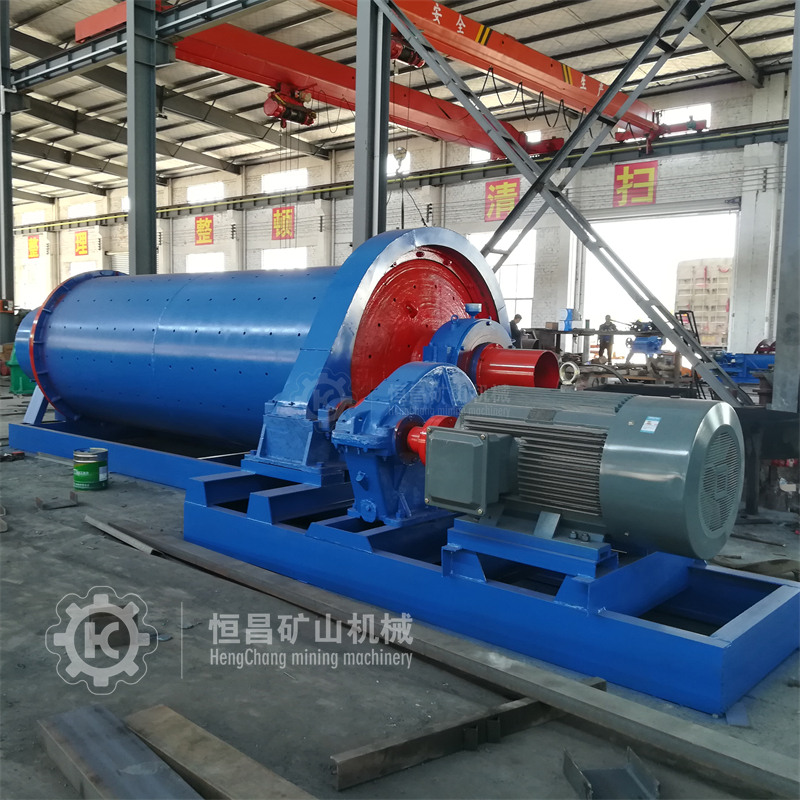
| 1200×4500 Ball Mill | 1 | 28,600 | 28,600 |
| 2″x12″ Spiral Classifier | 1 | 6,800 | 6,800 |
| 2.8m³ Flotation Cells (Rougher) | 6 | 8,200 each | 49,200 |
| 1.5m³ Flotation Cells (Cleaner) | 3 | 5,600 each | 16,800 |
| 9m Thickener | 1 | 22,000 | 22,000 |
| Filter Press (25m²) | 1 | 15,200 | 15,200 |
| Conveyor belts, pumps, pipes | set | 18,000 | 18,000 |
| Total Equipment Cost | $187,900 |
Installation & Commissioning
Site installation supervision (JXSC engineer): $5,000–$8,000 (2 weeks)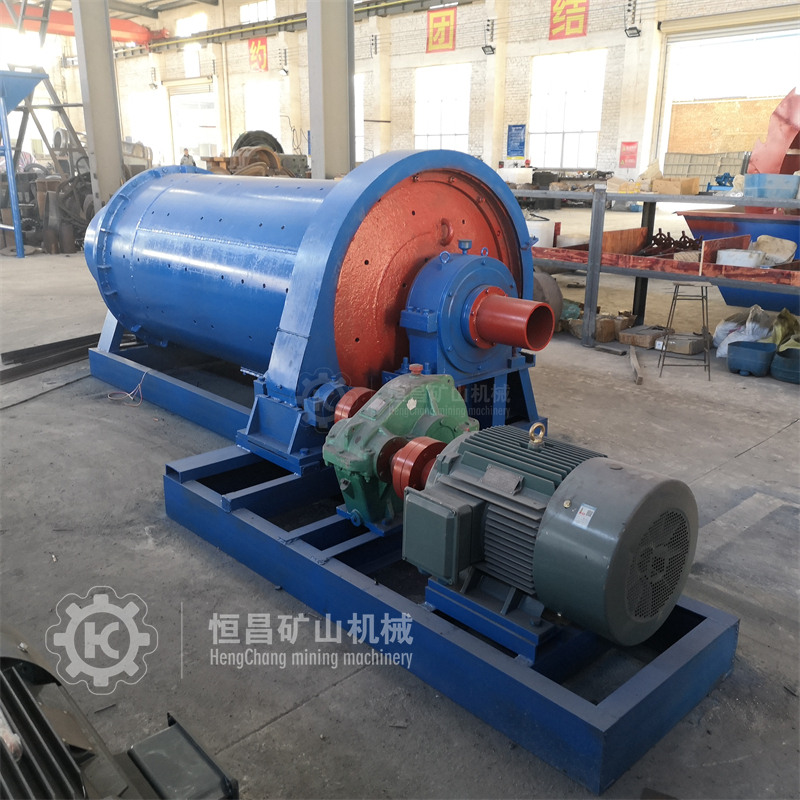
Shipping (CIF Dar es Salaam): ~$12,000–$18,000
Total Estimated Plant Cost: $220,000 – $240,000
Monthly operational cost (power + reagents + labor + wear parts): ~$15,000–$20,000
If your ore has 2% copper and you sell concentrate at $6,000 per tonne of contained copper, your profit margin is very attractive.
Comparing JXSC Flotation with Other Methods
Most people ask us: “Should I use gravity separation instead of flotation?”
Short answer: For copper, flotation wins every time.
| Method | Best For | Recovery | Cost | Ease of Use |
|---|---|---|---|---|
| Gravity (shaking table) | Coarse gold, tin, tungsten | 50–70% for copper | Low | Simple |
| Magnetic separation | Iron, titanium, manganese | 60–80% | Medium | Moderate |
| Flotation (JXSC) | Copper, lead, zinc, molybdenum | 85–95% | Medium | Reliable |
If you’re dealing with oxidized copper (malachite, azurite), you might need a combination of flotation + sulfuric acid leaching – but that’s a topic for another article.
Daily Operation & Maintenance – Things That Actually Matter
Morning Check (Every Shift)
Check froth level – Adjust frother dosage if foam is too thick or too thinInspect impeller clearance – Should be 6–10mm from the bottom plate
Monitor pH – Keep lime feeders calibrated
Listen for unusual noise – Worn bearings sound like a grinding truck
Check pulp density – Should be 30–35% solids in the flotation feed
Weekly Maintenance
Grease flotation cell bearings every 7 days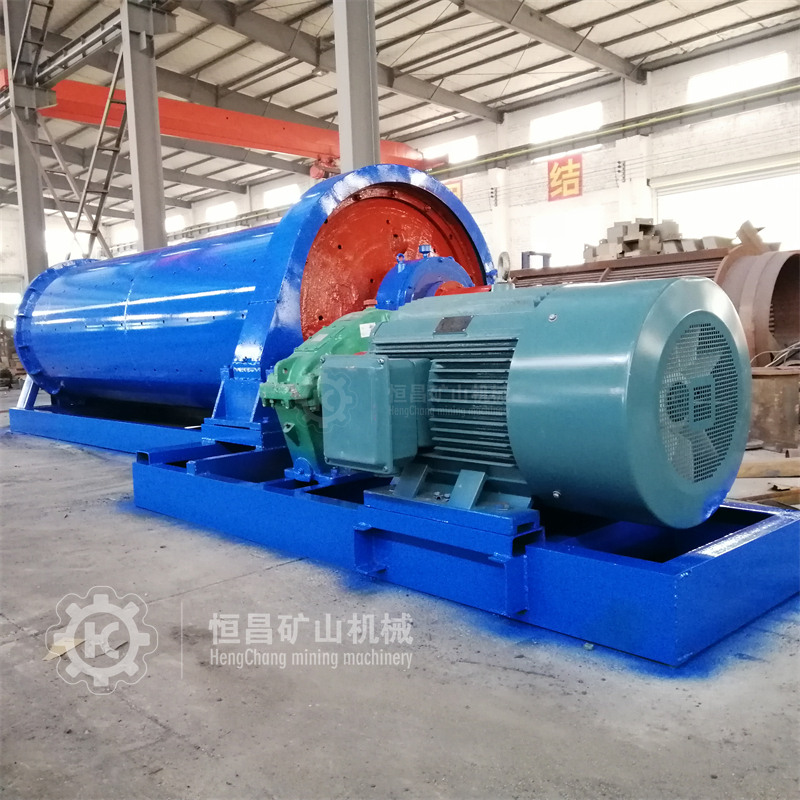
Clean the launder channels – if it gets clogged, you lose material
Inspect ball mill liners – replace when thickness is below 25mm
Common Problems & Quick Fixes
| Problem | Likely Cause | Quick Fix |
|---|---|---|
| Bubbles are too big | Impeller speed too low | Increase RPM by 5–10% |
| No froth at all | Frother not working | Check dosage pump; maybe damp reagents |
| Concentrate grade too low | Too many gangue minerals floating | Increase depressant (e.g., sodium silicate) |
| Recovery dropping | Ore hardness changed | Regrind – increase circulating load |
African Use Cases – Real Stories from the Field
Case 1: Zambia – Mixed Sulfide-Oxide Ore (Masaiti)
A client had a deposit with 1.8% total Cu, but 40% of it was as oxide. We designed a flotation circuit with a separate oxide float using fatty acid collectors. The client achieved 86% overall recovery, with sulfide concentrate at 30% Cu and oxide concentrate at 22% Cu.
Case 2: DR Congo – High-Grade Chalcopyrite (Lubumbashi)
A 150TPH plant using 8 JXSC flotation cells for rougher and 4 for cleaner. With reagent optimization (xanthate + dithiophosphate), they consistently hit 32% Cu grade in the final concentrate.
Case 3: Ghana – Copper-Silver Ore
This client uses the flotation machine for both copper and silver. By adjusting the pH to 8.5 and adding lead nitrate as an activator, they recover 80% of the associated silver. It’s the same JXSC machine – just different chemistry.
Why Choose JXSC for Your African Project?
We’re not just selling machines – we provide a complete solution.
Test before you buy – We can do a flotation test on your ore at our lab in JiangxiProcess design – We’ll give you a flowsheet that matches your ore type (we’ve seen over 50 different African ores)
Spare parts support – Our stock in Johannesburg and Dar es Salaam means 3–5 day delivery for wear parts
On-site training – We send an engineer for startup and train your operators for 2 weeks
No minimum order – we can even do a single flotation cell for a lab or pilot plant.
Summary: Is a 100TPH Flotation Plant Right for You?
You should consider this plant if:
You have a confirmed copper resource (≥1% Cu)Your ore contains sulfide minerals (chalcopyrite, bornite, chalcocite)
You have access to water and power (at least 50m³/day and 200 kW)
You want to sell concentrate (28%+ Cu) instead of raw ore
You might need a bigger plant if:
Your deposit is 500+ tonnes per dayYou have very low-grade ore (<0.5% Cu)
You might need a smaller plant or gravity method if:
You have less than 30 tonnes per dayYour copper is completely oxidized (leaching is better)
Final Thoughts
A 100TPH flotation plant is the goldilocks size for many African miners: not too big, not too small, and with a reasonable payback period (9–14 months in favorable conditions). The JXSC flotation machine itself is built tough for the African environment – thick steel, easy maintenance, and forgiving of operator mistakes.
If you’re serious about copper, start with a lab test. Send us 50–100 kg of your ore. We’ll run the flotation test, optimize the reagent recipe, and give you a guaranteed recovery figure before you buy any equipment. That way, you’re not gambling with your investment.
Have questions about your specific ore? drop us a line. Or better yet, visit our factory – bring your ore, and we’ll show you the copper float right in front of your eyes.
JXSC Mine Machinery – Making Africa’s Copper Work for You