Chinese


JXSC Ghana Alluvial Gold Washing Plant 100TPH Processing Flow & Equipment Cost
Why 100TPH? The Sweet Spot for Ghanaian Gold Miners
If you're working alluvial gold in Ghana, you know the struggle. The rainy season turns your site into mud. The dry season cracks the ground. And your old washing plant? It's either too small to make money, or too big and expensive to run.
That's why the 100TPH (tons per hour) capacity has become the "goldilocks" choice for serious Ghanaian miners. Not too small to waste time, not too big to break your budget.
Today, let's walk through a real-world setup from JXSC Mine Machinery - a complete 100TPH alluvial gold washing plant designed specifically for Ghanaian conditions.
Let me show you how it works, what it costs, and why local miners are switching to this system.
Quick Overview: What's in the Plant?
Before we dive deep, here's the basic lineup:
| Equipment | Purpose |
|---|---|
| Trommel Screen | Washing & size separation |
| Jig Concentrator | Primary gold recovery |
| Shaking Table | Fine gold polishing |
| Slurry Pump | Material transfer |
| Water Pump | Water supply system |
All units? Designed and manufactured by JXSC, a Chinese brand that's been in Ghana for years.
The Full Processing Flow – Step by Step
Step 1: Feeding – Keep It Steady
Miners feed raw alluvial material directly into the trommel using an excavator or front loader. No need for a complex feeder system if your site has heavy equipment.
Pro tip from JXSC engineers: Use a grizzly bar above the trommel feed hopper. It catches big rocks (above 100mm) before they damage the screen.
Step 2: Trommel Washing – The Heart of the System
The 2-layer trommel screen is the workhorse. Here's what happens inside:
First layer: 10mm mesh. Oversized material (gravel, stones) exits to waste.Second layer: 2mm mesh. Fine sand and gold particles drop through.
High-pressure water jets (8-12 bar) break up clay balls and sticky mud.
Why Ghanaian miners love it: Ghana's alluvial deposits are often rich in sticky clay. Without proper washing, you'll lose gold. JXSC's trommel uses 30-degree angle and rubber-lined interior to prevent clogging even in rainy season.
Step 3: Jigging – Capture the Coarse Gold
The underflow from the trommel (sand + water + gold) flows into a JT2-2 duplex jig. This is where the real magic happens.
The jig uses pulsating water to separate heavy gold particles from lighter sand. Gold (specific gravity ~19.3) sinks to the bottom, while sand rides out the top.
Real numbers from a Ghanaian site:

Jig recovery rate: 92-95%
Concentrate grade: 200-500 g/t (ready for direct smelting)
Step 4: Shaking Table – Polish Your Gold
The jig concentrate goes to a 6S shaking table for final clean-up. This step removes remaining black sand and fine impurities.
What you get: A gold concentrate that's 80-90% pure. Ready to melt into bars.
Step 5: Water Recycling – Don't Waste a drop
A simple settling pond + pump system recycles 70-80% of your water. In Ghana, where dry seasons can be brutal, this is a lifesaver.
Equipment Cost Breakdown (Approximate)
Let's talk money. This is what JXSC quotes for a complete 100TPH plant delivered to Tema port:
| Item | Cost (USD) |
|---|---|
| Trommel Screen + Motor | $12,000 - $18,000 |
| Jig Machine (JT2-2) | $8,000 - $12,000 |
| Shaking Table (6S) | $4,000 - $6,000 |
| Slurry Pump | $1,500 - $2,500 |
| Water Pump | $800 - $1,200 |
| Control Panel + Cables | $1,000 - $2,000 |
| Shipping + Insurance | $5,000 - $8,000 |
Total ballpark: $32,000 - $50,000 USD (excluding taxes and installation)
Important: This is FOB Tema price. Local installation, foundation work, and site preparation cost extra (typically $5,000-$10,000 depending on site conditions).
What Kinds of Ore Does This Plant Handle?
This JXSC design works best for:
Alluvial gold deposits (riverbeds, terraces, ancient channels)Placer gold with clay content (up to 30% clay)
Gold with black sand (magnetite, hematite)
Coarse gold (1-10mm) - primary target
Fine gold (0.1-1mm) - recovered by shaking table
Not recommended for:
Hard rock gold (needs crushing)Ultra-fine gold (below 0.074mm) - needs centrifugal concentrator
High sulfide content
Advantages Over Other Designs
VS Traditional Sluice Box
| Feature | Sluice Box | JXSC Jig + Table Plant |
|---|---|---|
| Recovery rate | 40-60% | 90-95% |
| Fine gold recovery | Poor | Excellent |
| Clay handling | Clogs easily | Designed for clay |
| Labor required | 4-6 people | 2-3 people |
VS Spiral Concentrator
Spiral chutes need consistent feed density. JXSC jig handles fluctuating loads.VS Centrifugal Concentrator
Centrifugal units cost 2-3x more. JXSC jig gives 95% of recovery at half the price.Daily Operation & Maintenance Tips
From JXSC's field service team:
Check screen mesh daily - replace torn panels immediatelyClean jig hutch every 8 hours - Prevents sand buildup
Lubricate bearings every 40 hours - Use waterproof grease
Monitor water pressure - Keep above 8 bar
Shaking table stroke - Adjust based on feed size (12-15mm for coarse gold)
Winter/green season storage - Drain all water to prevent freezing/damage
Pro tip: Keep 2 spare screen panels and 1 spare rubber diaphragm on site. Ghana delivery can take 2-3 weeks.
Case Study: Obuasi Site, Ghana
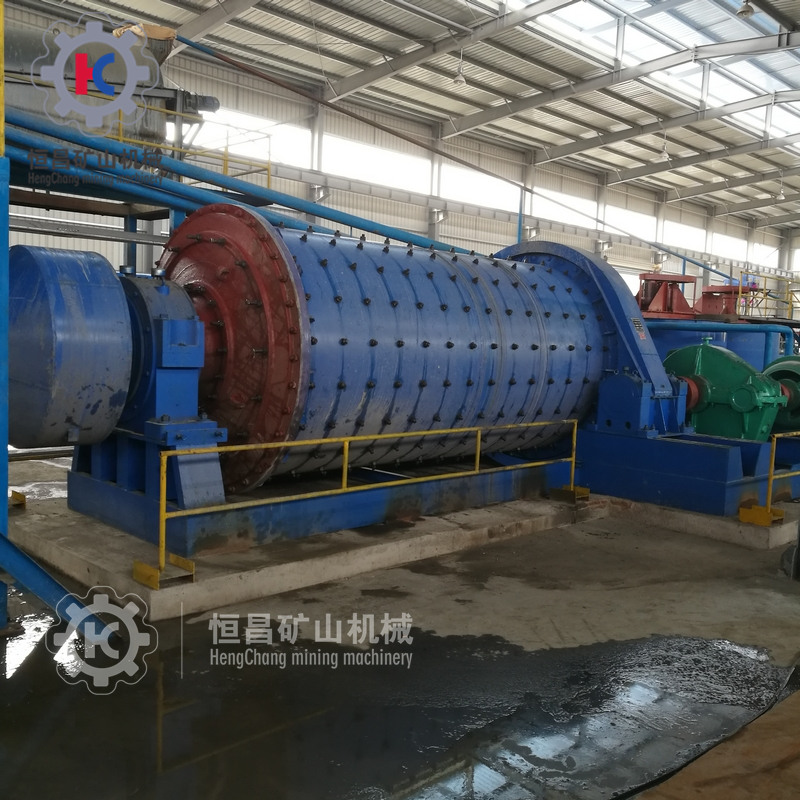
A small-scale miner near Obuasi installed this exact JXSC plant in 2023.
Site conditions:
Overburden: 2m clay + lateriteGold zone: 3m depth, river terrace
Feed grade: 0.25-0.4 g/t
Results after 3 months:
Average daily production: 15-20 grams goldOperating hours: 8 hours/day
Labor: 4 workers (2 operators, 2 security)
Monthly electricity cost: $800 (diesel generator)
ROI period: Estimated 4 months
Common Questions from Ghanaian Miners
Q: Can I use this for diamond recovery too? A: Yes, with slight modification. JXSC offers optional grease belt attachment.
Q: What's the power requirement? A: 40-50 kW total. Recommends 100 KVA generator.
Q: How long does installation take? A: 5-7 days with 2-3 workers. JXSC provides remote guidance.
Q: Warranty? A: 12 months on mechanical parts. Screen panels are consumables.
Final Verdict: Is It Worth It?
For Ghanaian alluvial gold miners, the JXSC 100TPH plant hits the sweet spot:
✓ Affordable entry point ($32k-$50k)✓ High recovery rate (90-95%)
✓ Handles Ghana's sticky clay
✓ Simple operation and maintenance
✓ Proven in local conditions
But remember: This is a basic setup. If your deposit has significant ultra-fine gold (below 0.074mm), consider adding a centrifugal concentrator. For sulfide-rich ore, you'll need flotation.
My recommendation: Start with this JXSC 100TPH plant for alluvial gold. It's the most cost-effective way to enter Ghana's gold mining sector. Upgrade later as you grow.
Quick Checklist Before You Buy
| Item | Action |
|---|---|
| Site survey | Measure clay content, gold size distribution |
| Water source | Ensure 30-50 m³/hour available |
| Power | Install 100 KVA generator |
| Access road | Must support 20-ton truck |
| Labor | Train 2-3 operators |
| Spare parts | Order 2 months' supply upfront |
Need More Help?
If you're planning a Ghanaian alluvial gold project, JXSC Mine Machinery offers:
Free process design consultationRemote installation guidance
Spare parts supply from Ghana warehouse
After-sales technical support (WhatsApp available)
Contact JXSC through their official channels for a customized quote based on your specific site conditions.
This article is for informational purposes only. Equipment prices and specifications are subject to change. Always verify with the manufacturer before making purchasing decisions.