Chinese


Copper-Gold Ore Beneficiation: Equipment and Process Flow
Copper-Gold Ore Beneficiation: Equipment and Process Flow
The beneficiation of copper-gold ores is a systematic process that transforms raw ore into marketable concentrates through crushing, grinding, classification, and flotation. The core objective is to achieve optimal mineral liberation while minimizing energy consumption and metal losses.
I. Crushing and Screening
Crushing is the first stage of mineral processing. Its primary purpose is to reduce large run-of-mine (ROM) ore into smaller fragments suitable for grinding. The industry widely adopts the "more crushing, less grinding" principle to lower overall energy costs, as crushing is significantly more energy-efficient than grinding.
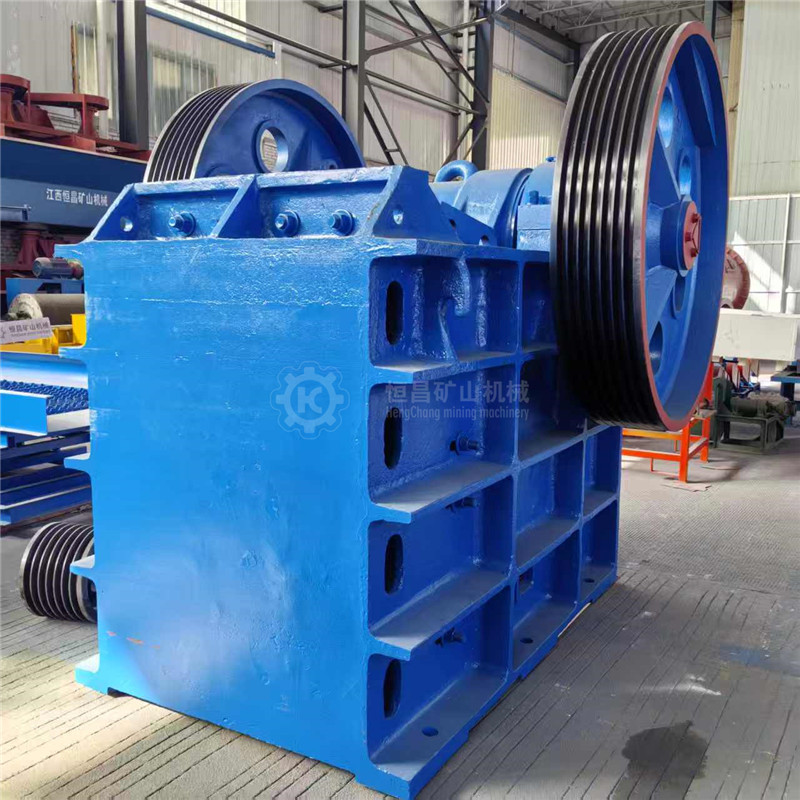
1. Jaw Crusher (Primary Crushing)
- Function: Handles the initial size reduction of large boulders.
- Characteristics: Robust structure, high throughput capacity, and simple maintenance. It reduces ROM ore to medium-sized particles, preparing it for secondary crushing.
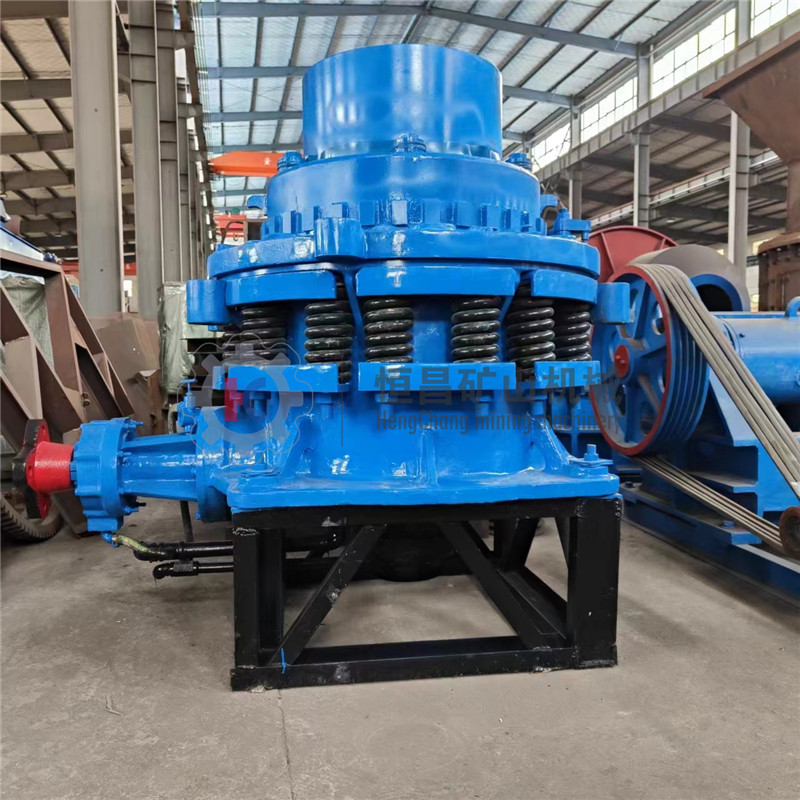
2. Cone Crusher (Secondary / Fine Crushing)
- Function: Further reduces ore size after jaw crushing.
- Characteristics: Ideal for hard and abrasive ores. It offers high crushing efficiency, uniform product size, and stable operation, ensuring consistent feed for the grinding circuit.
3. Vibrating Screen
- Function: Works in closed-circuit with crushers.
- Process Control: Screens the crushed product; undersized material proceeds to the mill, while oversized material is returned for re-crushing. This guarantees that the final crushing product meets the target feed size for grinding.
II. Grinding and Classification
Grinding is critical for mineral liberation, especially for gold that is finely disseminated within the ore matrix. Insufficient grinding leads to losses, while over-grinding causes slime formation and reduced recovery.
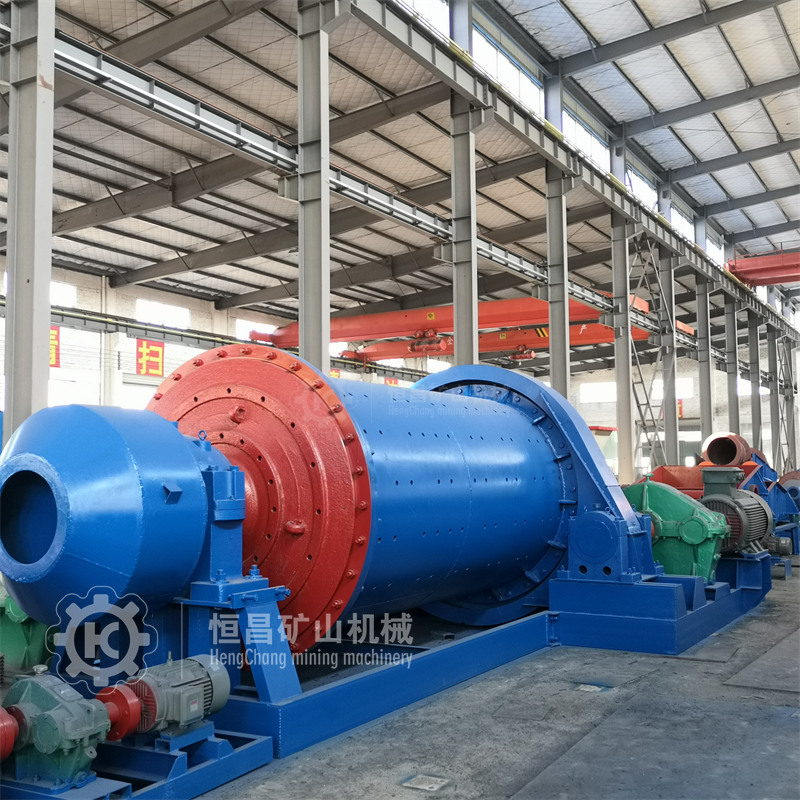
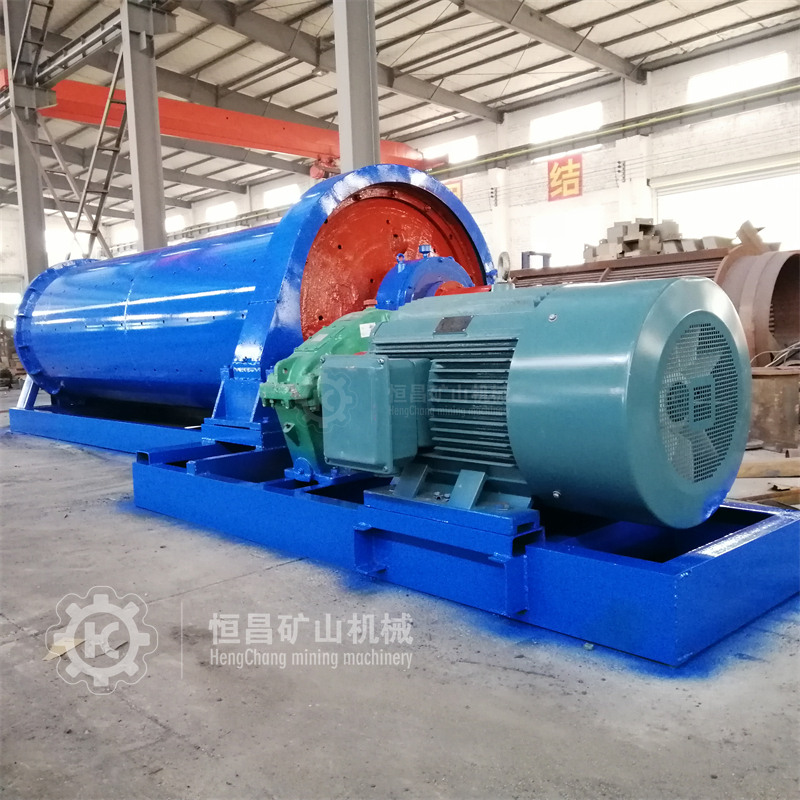
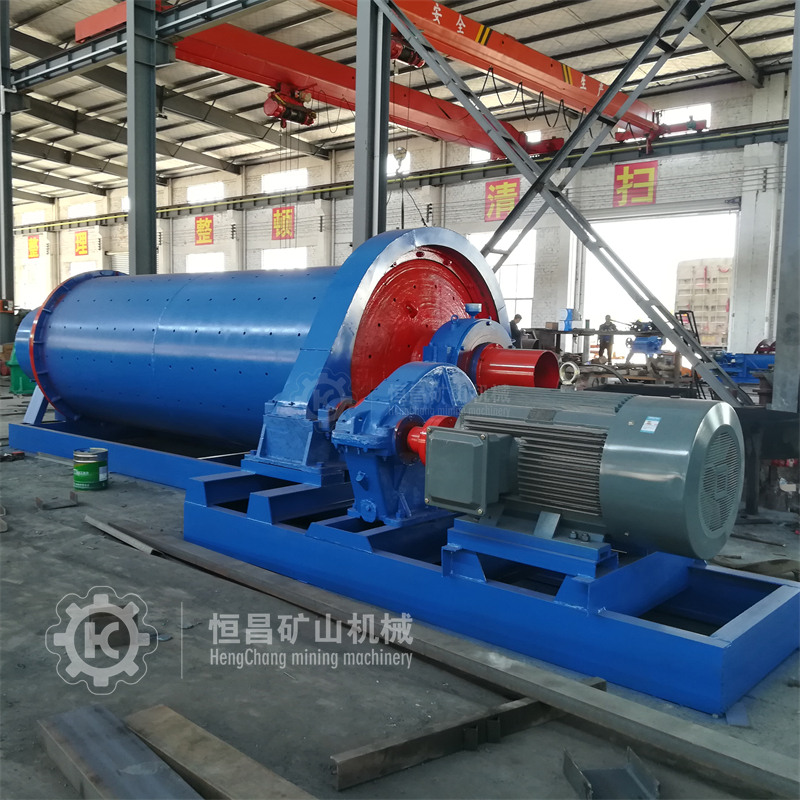
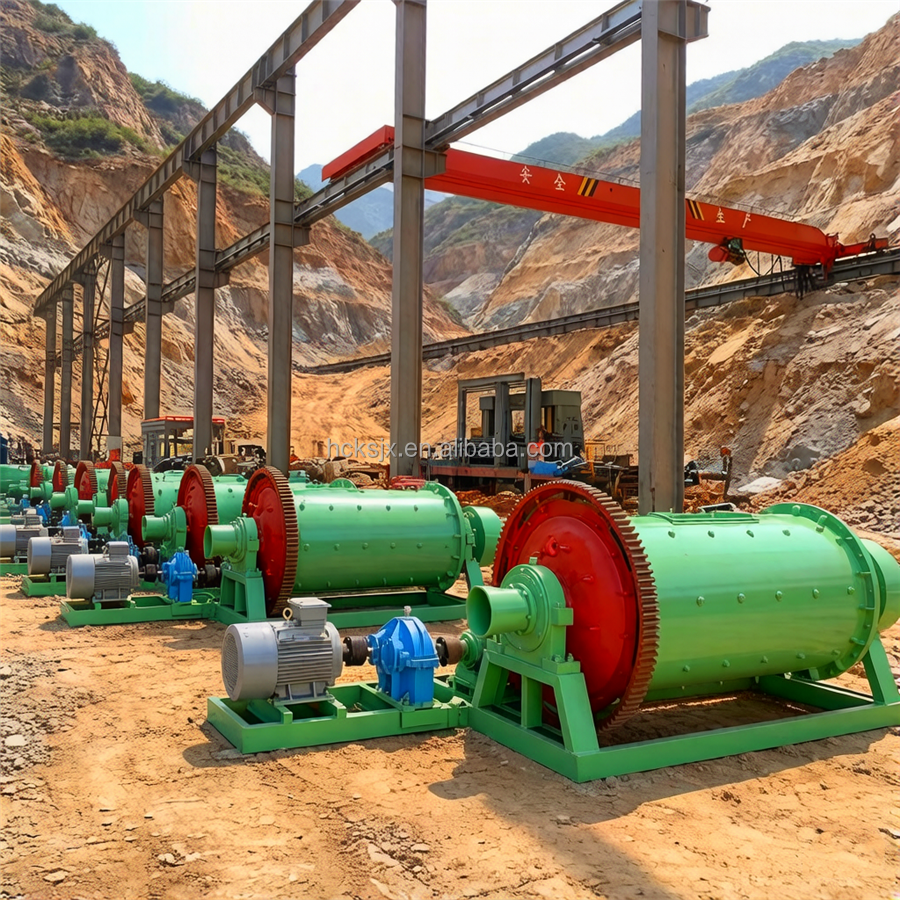
1. Ball Mill
- Function: Performs fine grinding of crushed ore.
- Mechanism: Utilizes impact and attrition from steel grinding media to liberate valuable minerals from gangue.
- Grind Size: Typically targeted at 60%–90% passing 200 mesh (-74 μm), depending on the ore’s mineralogy and liberation characteristics.
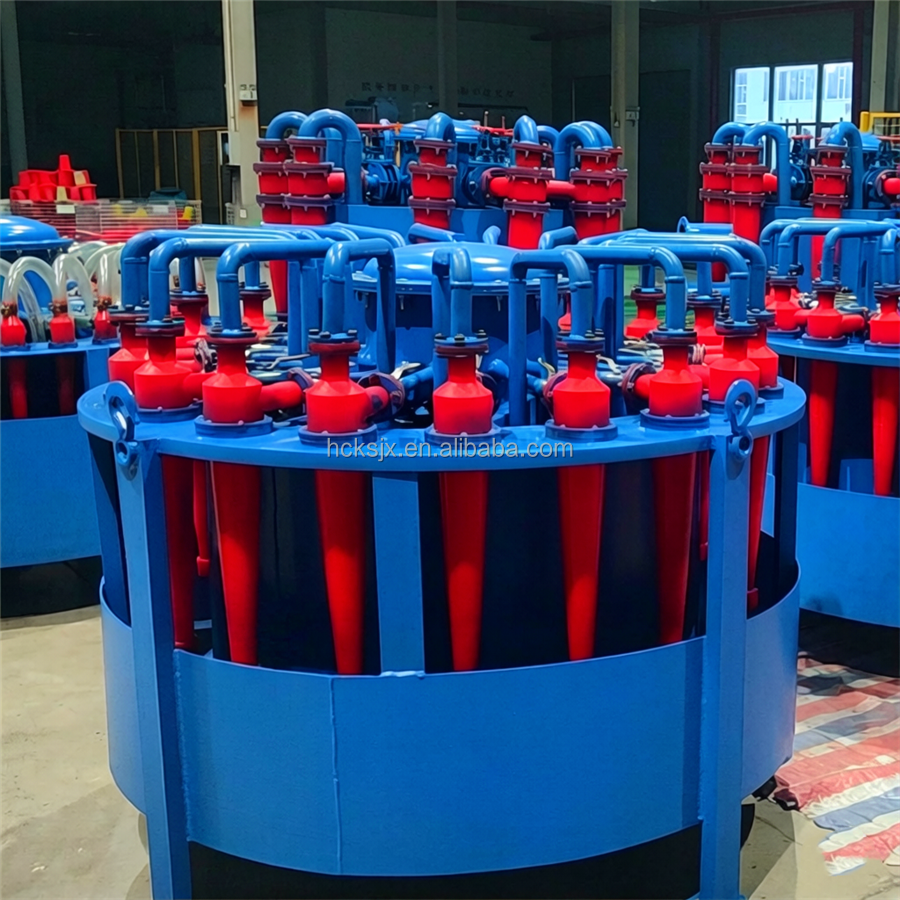
2. Hydrocyclone
- Function: Classifies ground slurry by size and density.
- Operation: Forms a closed circuit with the ball mill. Fine overflow reports to flotation, while coarse underflow returns to the mill for regrinding. This ensures tight control over particle size distribution and prevents over-grinding.
III. Flotation Separation
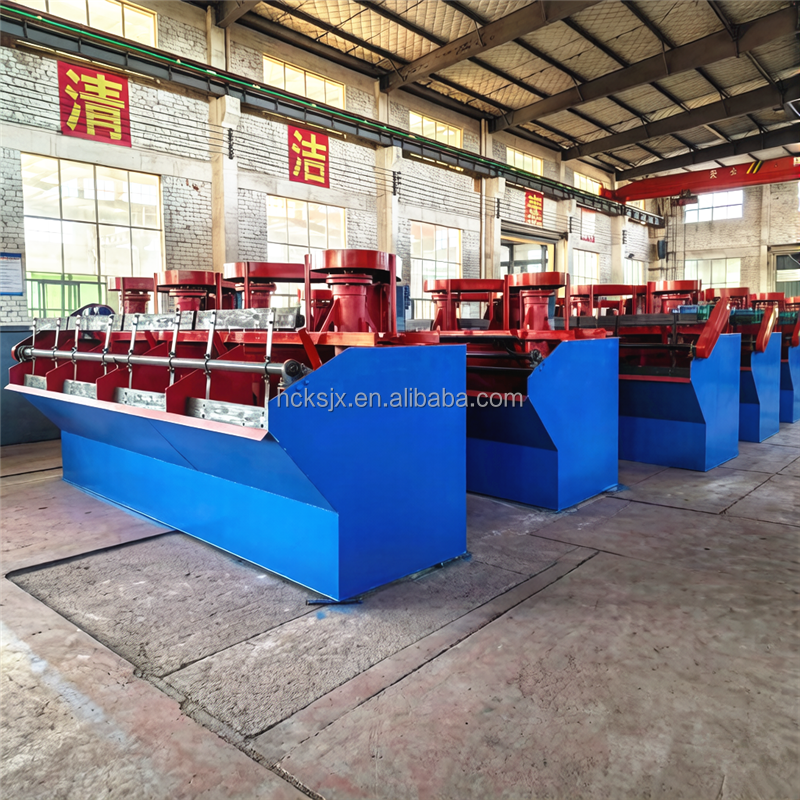
Flotation is the principal method for recovering both copper and gold. By adjusting pulp chemistry and using selective collectors, hydrophobic particles attach to air bubbles and rise to form a concentrate, while hydrophilic gangue remains in the tailings.
1. Roughing
- Rapidly recovers the bulk of liberated copper and gold minerals.
- Follows the principle of “recover early, recover fully” to minimize losses caused by over-grinding or oxidation.
2. Scavenging
- Treats rougher tailings to capture residual valuable minerals.
- Improves overall plant recovery and ensures economic efficiency.
3. Cleaning
- Upgrades rougher concentrate through multiple stages.
- Produces high-grade copper-gold concentrate suitable for smelting.
4. Process Options
- Selective (Priority) Flotation: Separates copper and gold sequentially, often used when selectivity is required.
- Bulk (Mixed) Flotation: Collects copper and gold together, typically applied when joint recovery is more economical.The choice depends on ore mineralogy, association of gold with copper sulfides, and downstream smelter requirements.
Summary
A modern copper-gold processing plant integrates robust crushing circuits, efficient grinding-classification systems, and optimized flotation strategies. Precise control at each stage maximizes metal recovery, improves concentrate grade, and reduces operating costs—delivering both technical and economic value.