Chinese


2026 4-Layer Shaking Table for Tin Processing: Cost, Advantages vs Gemini Table
Honest Talk About Gravity Separation for Tin Miners and Plant Operators
If you're processing tin ore and still using single-deck shaking tables, you're leaving money on the table — literally.
Here’s the thing. Tin processing is all about gravity separation. And when it comes to recovering fine tin particles, few machines beat the shaking table. But for years, we had a problem: one table, one deck, low throughput.
Enter the 4-layer shaking table. And now, in 2026, it's not just a trend — it's becoming the standard for medium-to-large tin operations.
In this article, I'll break down the real cost, performance, and how it stacks up against the popular Gemini table. No fluff, just practical knowledge.
What Is a 4-Layer Shaking Table?
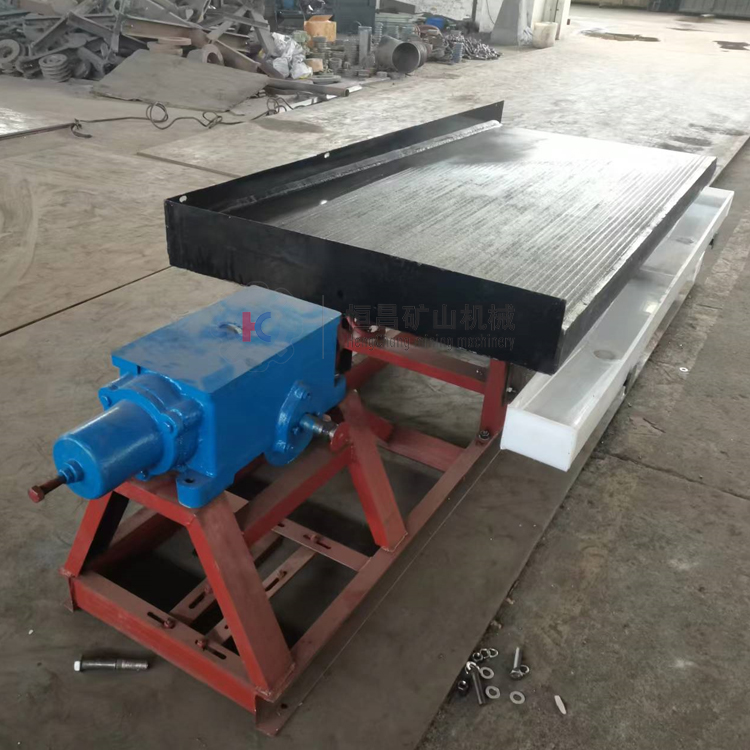
A 4-layer shaking table is exactly what it sounds like — four individual concentrating decks stacked vertically on one frame, driven by a single motor.
Instead of running four separate single-deck tables, you get four times the capacity in the same floor space.
Made by Jiangxi Hengchang Mining Machinery, this machine is built for operators who want to increase recovery rates for tin, tungsten, tantalum, niobium, gold, and other heavy minerals without adding extra labor or floor area.
How Does It Work? (Simple Version)
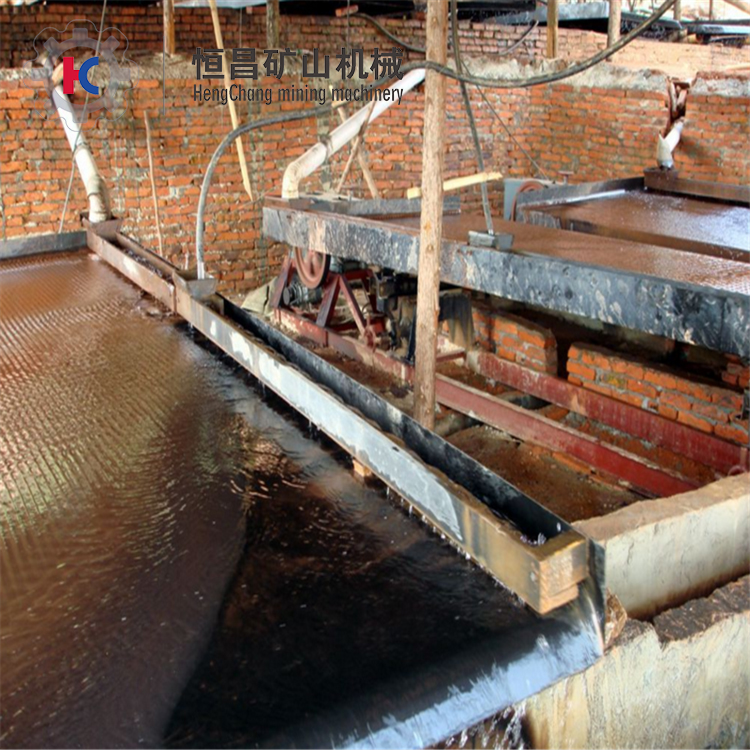
Picture this. The table vibrates continuously while water flows across the deck. The slurry feeds onto the deck, and heavier particles (tin concentrate) move to the discharge end, while lighter gangue materials wash off to the side.
With four decks, each layer processes the same material simultaneously. The principle is the same as a standard shaking table — just multiplied.
Key point: The adjustable stroke and frequency allow you to fine-tune separation for fine or coarse tin ore.
Cost Comparison: 4-Layer vs Gemini Table
Let’s talk numbers — because that’s what matters.
| Item | 4-Layer Shaking Table (Hengchang) | Gemini Table |
|---|---|---|
| Price Range | $8,000 – $15,000 | $20,000 – $40,000 |
| Throughput per unit | 2–4 TPH | 1–2 TPH |
| Floor space | Similar | Similar |
| Ease of operation | Moderate | Requires skilled operator |
| Maintenance cost | Lower | Higher (complex mechanism) |
The Gemini table is a well-known brand in the industry. But for most tin processors, especially in developing countries, the Hengchang 4-layer table offers better value per ton of ore processed.
The cost difference? About 50–60% lower purchase price, with similar or better throughput.
Advantages Specific to Tin Processing
Tin ore is tricky. The particles are heavy but often fine — and they break easily. Here’s why the 4-layer table works better for tin:
1. Higher Recovery for Fine Tin
The multiple passes across the deck help capture fine cassiterite (tin oxide) particles that might be lost in single-pass systems.
2. No Need for Dexterous Operators
Gemini tables require a “feel” — you have to adjust water flow, stroke, and tilt constantly. The 4-layer table from Hengchang is more forgiving and easier for new operators to handle.
3. Easy to Add to Existing Plants
You can bolt a 4-layer table into your existing tin gravity circuit without redesigning the whole plant. Just feed the slurry and go.
4. Durability in Harsh Conditions
The decks are made of fiberglass or wood with rubber coating, depending on the model. They hold up well to acidic water and abrasive slurries common in tin washing.
Technical Parameters You Need to Know
When you start shopping, here’s what to look for:
| Parameter | Typical Value |
|---|---|
| Deck size | 4500 x 1850 mm per deck |
| Stroke | 8–16 mm, adjustable |
| Frequency | 280–480 RPM |
| Motor power | 1.5 kW |
| Feed size | 0.074–2 mm |
| Throughput | 2–4 tons per hour |
| Water consumption | 4–8 m³/h depending on ore |
Jiangxi Hengchang customizes the stroke and deck angle for your specific tin ore — a big advantage over off-the-shelf models.
Daily Operation and Maintenance Tips
These machines are robust, but a little care goes a long way.
Check belt tension weekly — loose belts reduce stroke consistencyRinse the decks after each shift — dried slurry clogs the riffles
Adjust water flow based on feed grade — don’t set it and forget it
Monitor the stroke — if it drifts, your recovery drops
Pro tip: Keep a set of spare rubber pads. They wear faster if your tin ore has high silica content.
Application Scenarios
Where does the 4-layer table work best for tin?
Alluvial tin washing plants — high throughput, consistent feedHard rock tin mill circuits — after grinding and desliming
Re-processing old tailings — recovers fine tin lost in previous operations
Small to medium scale mines — where floor space and budget are limited
Who Should Choose Which?
Choose the 4-layer table if:
You have limited floor spaceYour budget is under $15,000 per unit
You need easy maintenance and simple operation
You process tin ore with fine particles
Choose the Gemini table if:
You have highly variable feedYou have an experienced operator
You absolutely need highest possible recovery (even with difficult ore)
Final Thoughts
The 4-layer shaking table from Jiangxi Hengchang Mining Machinery is a workhorse for tin processing in 2026. It’s not the flashiest machine, but it gets the job done — reliably, cost-effectively, and with decent recovery.
For most tin plant operators, it’s the smarter buy than a Gemini table. Lower upfront cost, similar throughput, and fewer headaches.
If you’re doing equipment selection for gravity circuits, don’t overlook the 4-layer option. It might just be the upgrade your tin line needs.
Need a quote? Contact Jiangxi Hengchang directly. They can custom-build the table for your specific ore type and target recovery.