Chinese


2026 Best 4 Deck Shaking Table for Tin Tungsten Tantalum: Specs, Price & Process Flow
When I first stepped into a small-scale mining site in Yunnan back in 2018, I saw a row of shaking tables lined up like soldiers. The boss told me, “If you want to recover fine tin, you gotta have a good table.” Fast forward to 2026, the game has changed. The 4-deck shaking table is now the real MVP for processing tin, tungsten, and tantalum.
Why? Because it gives you four times the capacity in the same floor space. Let me break it down for you in plain English.
What Is a 4 Deck Shaking Table?
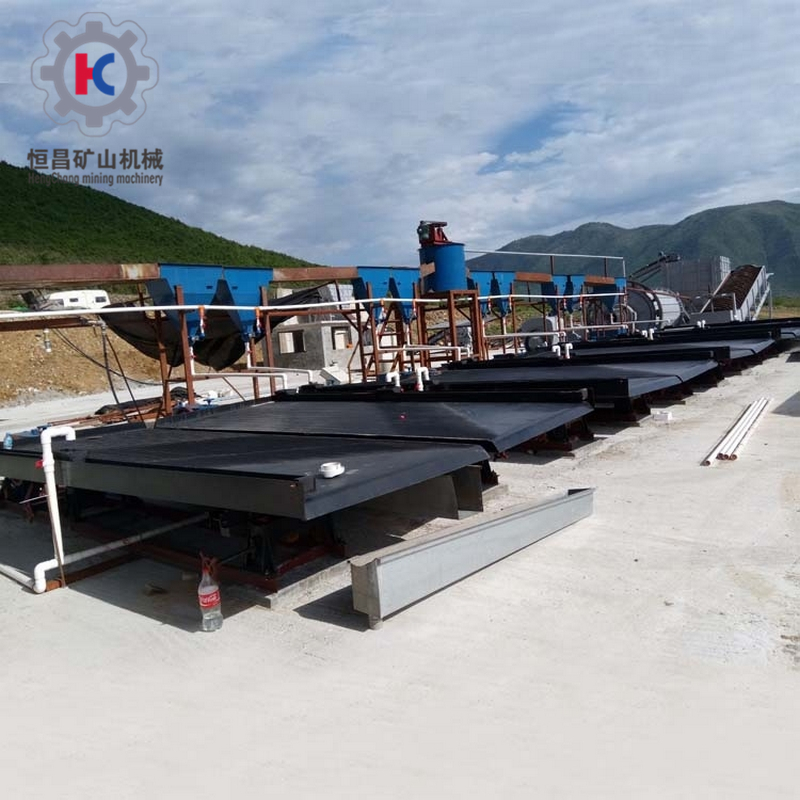
Think of it as four separate shaking tables stacked on top of each other. Each deck works independently, but they all shake from the same drive mechanism. It’s like having four workers doing the same job at the same time, but you only pay for one machine.
For tin, tungsten, and tantalum processing, this is a game-changer. These heavy minerals separate beautifully on a good shaking table.
Who Makes the Best Ones?
After years of visiting mines and talking to operators, I’ve seen the real deal. Jiangxi Hengchang Mining Machinery stands out in this space. They’ve been making mineral processing equipment since 1985, and their 4-deck tables are built for heavy duty.
Their tables run in mines across Africa, South America, and Southeast Asia. I’ve personally seen them processing tin in Bolivia and tungsten in Vietnam. They don’t break down easy.
How It Works: The Simple Version
The principle is basic physics – specific gravity separation.
Water flows across the deck from one sideThe deck shakes with a forward stroke and slow return
Heavy minerals (tin, tungsten, tantalum) stay near the feed end
Light materials (quartz, clay, gangue) wash off the side
The result? You get three products:
Concentrate (heavy minerals)Middlings (mixed material)
Tailings (waste rock)
Technical Specs You Need to Know
Here’s what a standard Hengchang 4-deck shaking table looks like for tin/tungsten/tantalum:
| Parameter | Value |
|---|---|
| Deck Size | 4500×1850mm per deck |
| Total Decks | 4 |
| Feed Size | 0.074 – 2mm |
| Capacity | 4-8 tons per hour (total) |
| Water Consumption | 3-5 m³/h |
| Motor Power | 1.5 kW per deck |
| Stroke Length | 8-22 mm adjustable |
| Weight | About 8 tons |
Price range: For a complete 4-deck setup from Jiangxi Hengchang, you’re looking at $15,000 – $28,000 USD depending on deck material (fiberglass vs steel) and automation level.
What Ore Types Work Best?
This machine loves:
Tin ore – especially fine tin below 0.5mmTungsten – scheelite and wolframite
Tantalum – fine tantalite recovery
Niobium – often associated with tantalum
Gold – placer and hard rock
Zircon – heavy mineral sands
It does NOT work well for:
Very fine material below 0.037mm (use flotation instead)High clay content (need desliming first)
Large particles above 2mm (use jig or spiral first)
4 Key Advantages Over Single Deck Tables
1. Space Saving
Instead of 4 separate tables taking up 40 square meters, one 4-deck table fits in just 12 square meters.
2. Lower Cost Per Ton
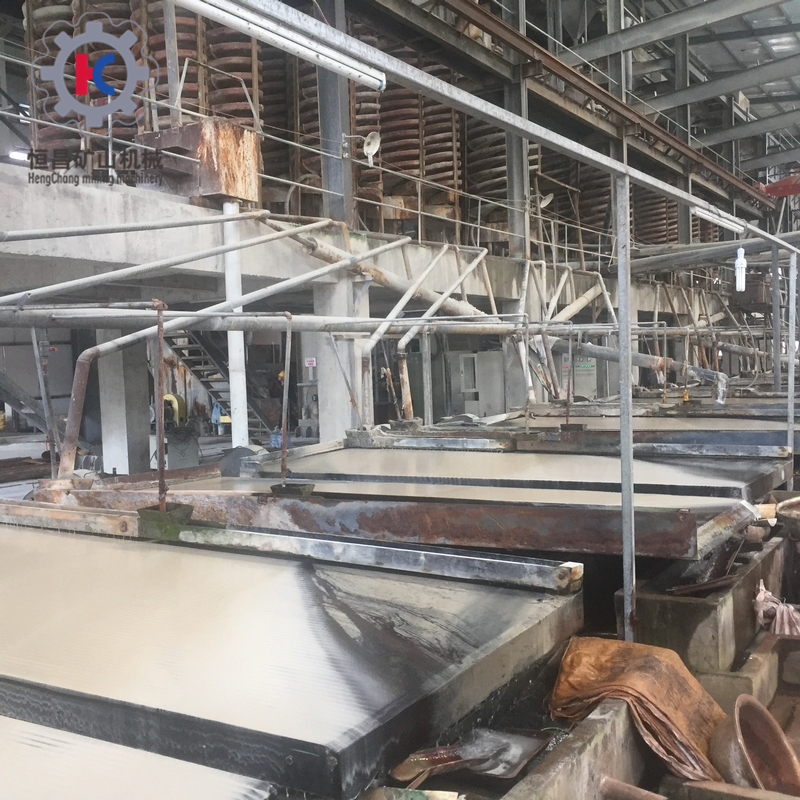
You only buy one motor, one feed system, one concentrate launder. Your cost drops 30-40% compared to four separate machines.
3. Easier Operation
One operator can monitor four decks at once. Less labor, less headache.
4. Consistent Performance
All decks share the same drive mechanism, so stroke and frequency are identical across decks. No calibration needed.
Daily Operation & Maintenance
Here’s what every operator should know:
Morning Checklist
Check motor vibration and temperatureInspect rubber support springs for cracks
Check deck surface for wear
Verify water distribution is even
Common Fixes
Uneven concentrate line → Adjust water flow or deck tiltToo much tailings in concentrate → Reduce feed rate
Motor overheating → Check bearing grease
Noise or vibration → Tighten bolts, check springs
Pro tip from an old timer: replace deck liners every 6-8 months for tungsten ore. Tin is less abrasive.
Comparison: Shaking Table vs Other Equipment
| Equipment | Best For | Limitations |
|---|---|---|
| Shaking Table | Fine heavy minerals, small feed | Low capacity per machine |
| Spiral Concentrator | Large volumes, iron sands | Poor for fine sizes |
| Jig Machine | Coarse material, gold | Poor below 0.5mm |
| Centrifugal Concentrator | Ultra-fine gold | High wear, batch process |
For tin/tungsten/tantalum, shaking table wins for precision recovery when you need 80-90% recovery.
Process Flow Example: Tin Recovery
Here’s a typical setup I recommend:
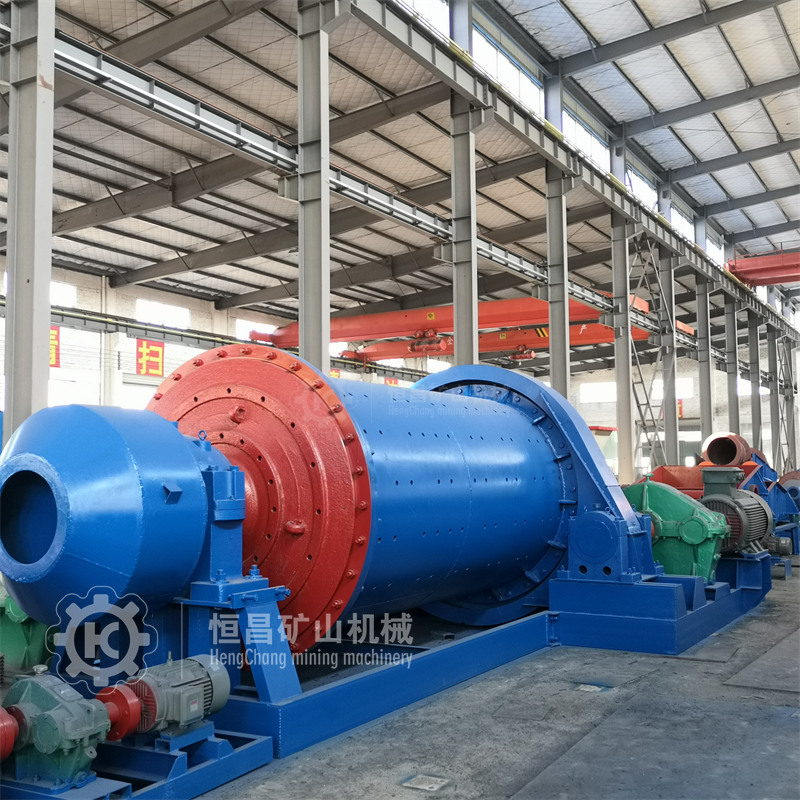
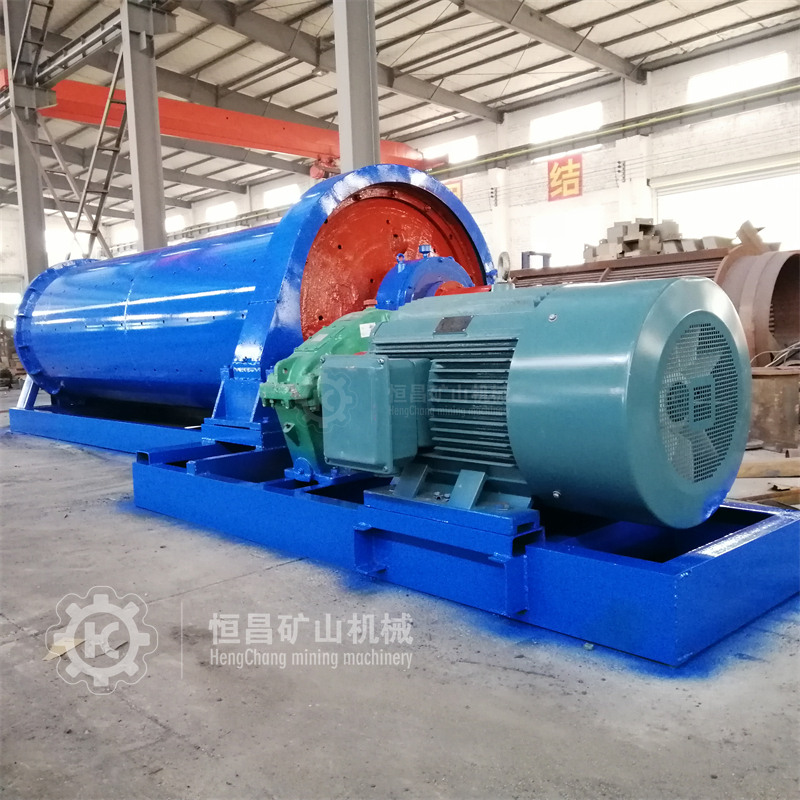
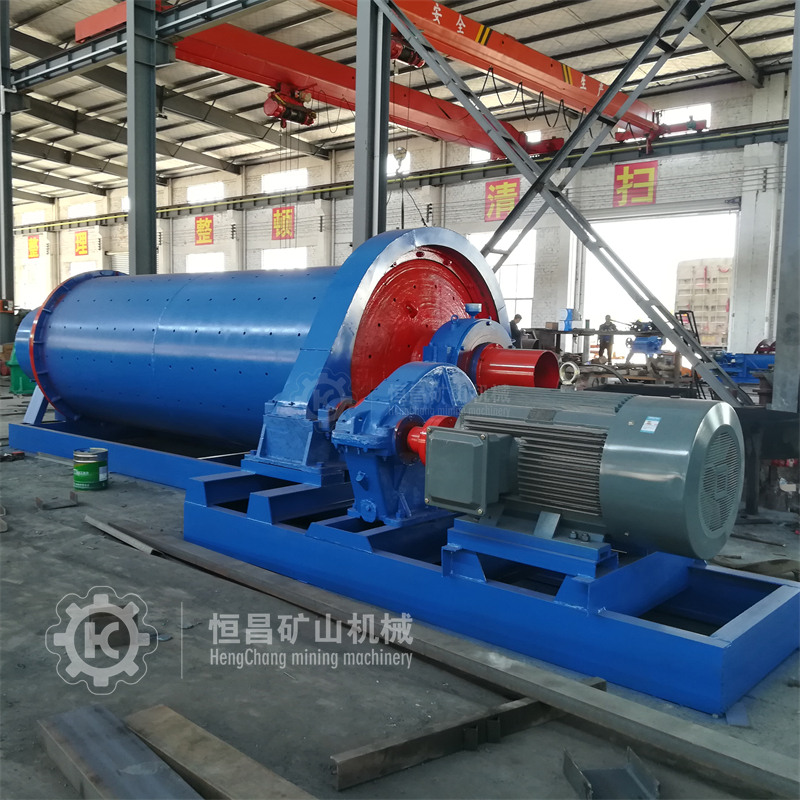
Crushing → Jaw crusher to 20mmGrinding → Ball mill to 0.5mm
Classification → Spiral classifier or hydrocyclone
Desliming → Remove clay with screw washer
Gravity roughing → Jig or spiral for bulk removal
Cleaning → 4-deck shaking table for final concentrate (75-80% Sn)
Tailing disposal → Thickener or tailings pond
The 4-deck table goes in step 6 as a cleaner. It handles 4-8 tph depending on grade.
Where to Buy in 2026
If you’re serious about quality, go with Jiangxi Hengchang Mining Machinery. They have:
ISO 9001 certificationOver 2000 tables installed worldwide
Free lab testing service (send your ore sample)
On-site commissioning support
You can reach them at their website or through YouTube channels showing real mine installations.
Final Thoughts
The 4-deck shaking table isn’t just an upgrade – it’s a smart investment for any tin, tungsten, or tantalum operation in 2026. It saves space, cuts costs, and gives consistent results.
If you’re doing equipment selection, start with understanding your feed grade and particle size. Then talk to manufacturers. Don’t buy cheap tables – they break fast.
Bottom line: For fine heavy mineral recovery, nothing beats a properly set up 4-deck table. And if you want reliability that lasts, Jiangxi Hengchang is the name I trust.
Got questions about your specific ore? drop a comment below – I’ll help you figure out the right setup.