Chinese


2026 4-layer shaking table for tungsten processing: specs, price & workflow guide
Introduction: Why the 4-Layer Shaking Table is a Game-Changer for Tungsten
If you're in the tungsten processing business, you know that fine particle recovery is where the real challenge lies. You might have a decent crushing and grinding circuit, but when it comes to pulling those high-density tungsten particles out of the slurry, nothing beats a well-tuned shaking table.
Now, here's the thing—standard single-layer tables work fine, but they take up floor space and limit your throughput. That's where the 4-layer shaking table steps in. It's like having four tables stacked on top of each other, running simultaneously, but with a single drive mechanism. This is not just about saving space; it's about doubling or tripling your production capacity without multiplying your equipment costs.
In this guide, we'll break down everything you need to know about the 4-layer shaking table for tungsten processing—specs, price, workflow, maintenance, and whether it makes sense for your operation.
What is a 4-Layer Shaking Table?
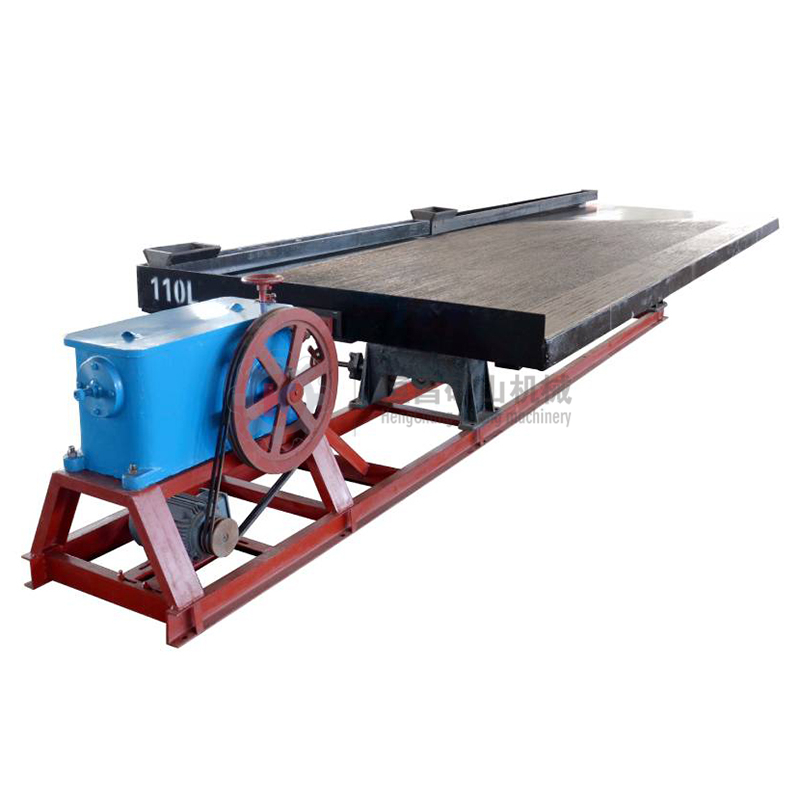
A 4-layer shaking table is exactly what it sounds like—a shaking table with four separate decks stacked vertically. Each deck operates independently in terms of material flow, but all are driven by a single eccentric mechanism. This design allows you to process up to four times the material volume of a single-layer table, using roughly the same floor area.
For tungsten processing, this is a big deal. Tungsten ores often have a high density (around 7.5 g/cm³ for scheelite, even higher for wolframite), which means gravity separation is highly effective. The 4-layer table takes full advantage of this by creating multiple, parallel separation zones.
Key Specifications for 2026 Models
The table below gives you a quick reference for typical specs you'll see on the market for 4-layer tables designed for tungsten:
| Specification | Typical Value |
|---|---|
| Number of Decks | 4 |
| Deck Material | Fiberglass with rubber cover |
| Deck Size (per layer) | 4500mm x 1850mm |
| Total Area | ~33 m² |
| Stroke | 10-30 mm |
| Stroke Frequency | 320-480 rpm |
| Feed Grade Range | 0.074 - 2 mm |
| Processing Capacity | 2-6 t/h (tungsten ore) |
| Motor Power | 2.2-3 kW |
| Water Consumption | 6-15 m³/h |
| Weight | 3200-3800 kg |
Disclaimer: These specs are for reference only. Actual equipment specifications may vary based on manufacturer, ore characteristics, and customization. Always consult the manufacturer for precise data.
Workflow: How the 4-Layer Shaking Table Processes Tungsten
Step 1: Material Preparation
Before the tungsten ore hits the table, it needs to be properly sized. The ideal feed size for a 4-layer table is between 0.074 mm and 2 mm. If your material is too coarse, it won't stratify properly; too fine, and you'll lose fine tungsten particles to the tailings.
Pro Tip: Use a hydrocyclone or vibrating screen to remove oversize material before feeding the table.
Step 2: Slurry Feeding
The prepared slurry (30-40% solids by weight) is fed evenly across the four decks. Each deck has its own feed launder that distributes the material across the full width of the table.
Step 3: Stratification and Separation
This is where the magic happens. The table oscillates back and forth, creating a "riffling" effect. The heavy tungsten particles settle to the deck surface, while lighter gangue minerals (quartz, calcite, feldspar) stay on top.
The diagonal washing water pushes the light material toward the tailings side, while the heavy concentrate moves along the riffles toward the concentrate end.
Step 4: Product Collection
Each deck produces three products:
Concentrate (high-grade tungsten, 60-70% WO₃ typical)Middlings (mixed material that can be re-ground and re-run)
Tailings (mostly waste rock, can be discarded)
Some advanced models allow for adjustable product splitters, so you can fine-tune the cut points.
Structure Features You Need to Know
Robust Frame
The frame is typically made of welded steel channels, coated with anti-rust paint. For tungsten processing, where you're dealing with abrasive slurries, look for stainless steel or rubber-lined components in high-wear areas.
Adjustable Stroke and Frequency
This is non-negotiable. Tungsten ores vary in liberation size and density. Being able to adjust the stroke length and frequency allows you to optimize separation for your specific ore.
Easy Deck Access
On well-designed units, each deck can be accessed individually for cleaning or adjustment. This is a big time-saver during maintenance.
Vibration Isolation
Good tables use rubber or spring mounts to isolate vibration from the foundation. This protects your building structure and reduces noise.
Pros and Cons for Tungsten Processing
Advantages
High throughput: Process 2-6 t/h of tungsten ore with one unitFine particle recovery: Excellent for recovering fine tungsten (<0.5 mm)
Low operating cost: No chemicals, low power consumption, minimal moving parts
Easy operation: Once set up, it runs with minimal supervision
Low maintenance: Only major wear parts are the deck surface and drive mechanism
Disadvantages
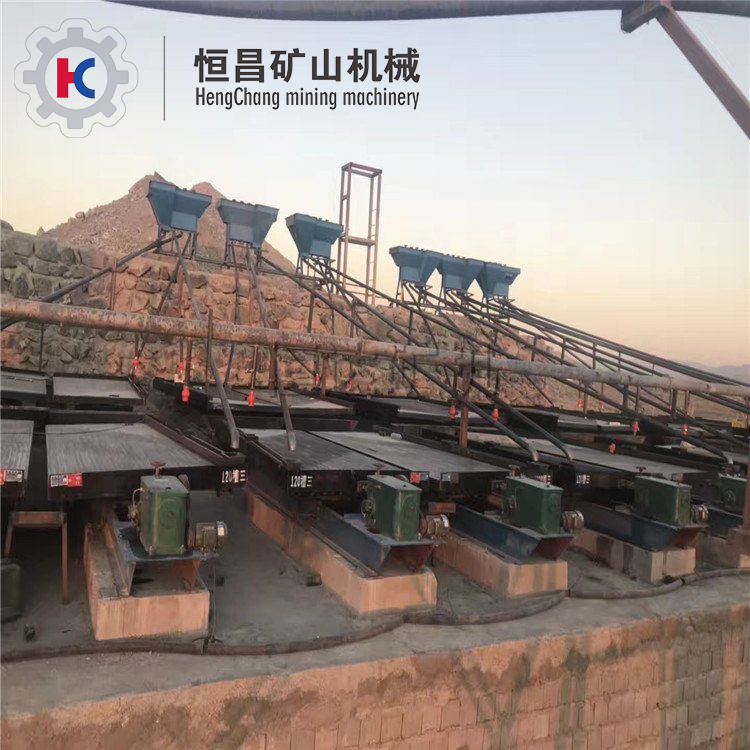
Space requirement: Still needs a fairly large footprint compared to other gravity equipment
Sensitivity to feed size: Requires consistent feed size distribution
Water consumption: Can use significant amounts of water (6-15 m³/h)
Deck wear: Rubber-covered decks wear over time, especially with sharp tungsten particles
Price Range for 2026 4-Layer Shaking Tables
Pricing in 2026 will depend on manufacturer, customization, and shipping costs. Here's a rough ballpark:
| Grade | Price Range (USD) | Features |
|---|---|---|
| Standard | $12,000 - $18,000 | Basic design, standard motor, manual adjustment |
| Premium | $18,000 - $28,000 | Variable frequency drive, easier deck access, better wear protection |
| Custom | $28,000+ | Special materials (stainless steel wash water system), automated splitters, remote monitoring |
Price Alert: These are estimates only. Actual pricing can vary significantly based on the manufacturer's location, material costs, and market conditions. Always request a formal quote.
How Does It Compare to Other Gravity Equipment?
| Equipment | Best For | Capacity | Recovery for Fine Tungsten | Operating Cost |
|---|---|---|---|---|
| 4-Layer Shaking Table | Fine tungsten (0.074-2mm) | 2-6 t/h | Excellent | Low |
| Spiral Concentrator | Coarse tungsten (1-10mm) | 8-20 t/h | Good | Very Low |
| Jig | Coarse tungsten (>5mm) | 10-50 t/h | Fair | Moderate |
| Centrifugal Concentrator | Ultra-fine tungsten (<0.1mm) | 1-3 t/h | Very Good | High |
| Flotation Cell | All sizes (chemical) | 5-30 t/h | Excellent (with reagents) | High |
Takeaway: The 4-layer shaking table sits in the sweet spot for fine tungsten recovery. It's not the highest capacity, but the separation efficiency for fine particles is hard to beat.
Daily Operation and Maintenance Checklist
Daily Tasks
Check feed distribution – Make sure each deck is getting even feed. Uneven feed reduces recovery.Inspect riffles – Look for clogged riffles, especially with clay-rich ores.
Monitor wash water – Verify flow rates and distribution. Dirty water affects separation.
Listen for unusual noises – Rattling or knocking indicates loose parts or worn bearings.
Check concentrate quality – Quick visual inspection or pan test.
Weekly Tasks
Clean decks thoroughly – Use a high-pressure hose to remove accumulated fines.Grease drive bearings – Follow manufacturer's schedule.
Inspect rubber covers – Look for tears, wear, or delamination.
Check belt tension – A loose belt causes inconsistent stroke.
Monthly Tasks
Full structural inspection – Tighten all bolts, check for cracks.replace worn deck covers – Typically every 6-12 months for tungsten operations.
Calibrate product splitters – Ensure accurate cut points.
Test motor and VFD – Check for overheating or unusual current draw.
Real-World Application Example
Scenario: A small tungsten mine in Myanmar processing wolframite ore at 5 t/h.
Problem: Original single-layer shaking table only handled 1.2 t/h. They needed to scale up but had limited floor space.
Solution: Installed one 4-layer shaking table from [江西恒昌矿山机械设备].
Results:
Throughput increased to 5 t/h (4 decks × 1.25 t/h each)Tungsten recovery improved from 72% to 85% due to better stratification
Operating cost dropped by 40% per ton of concentrate
Payback period: 8 months
When Should You NOT Use a 4-Layer Shaking Table?
Let's be honest—this isn't a cure-all. Avoid using a 4-layer table if:
Your ore contains significant clay (slimes will blind the riffles)You need to process material coarser than 3 mm
Your water supply is limited or very expensive
You're processing extremely abrasive material (rapid wear)
You're looking for 90%+ recovery in a single pass (you'll still need a cleaner stage)
Conclusion: Is It Worth It?
For tungsten processors dealing with fine material (0.074-2 mm), the 4-layer shaking table is a no-brainer. It gives you four times the throughput of a single-layer table without four times the cost, footprint, or maintenance. The key is matching the table specs to your ore characteristics and having a solid understanding of gravity separation principles.
Bottom line: If you're expanding your tungsten plant, upgrading from single-layer tables, or designing a new processing line, put the 4-layer shaking table on your shortlist. Just make sure to work with a reputable manufacturer who can customize the deck geometry and stroke parameters for your specific ore.
Want more details on sizing and pricing? Reach out to [江西恒昌矿山机械设备] for a quote tailored to your operation.