Chinese


CIP Gold Processing Equipment Price: Cost Breakdown for 5–10TPD Gold Ore Plants
Hey folks, if you're running a small-scale gold mine or just getting into the gold processing game, you've probably heard about CIP (Carbon-in-Pulp) plants. But let's be real—the price tag can feel like a mystery. You're not alone. Many mine owners scratch their heads wondering, "How much does a CIP plant really cost for a 5 to 10 tons per day operation?"
Well, grab a coffee, and let's break it down step by step. No fluff, just real-world numbers and practical advice. By the end, you'll know exactly what to expect when budgeting for a CIP gold processing plant.
What Is CIP Gold Processing, Anyway?
Think of CIP like a giant gold-capturing machine. You crush ore, mix it with water to make a slurry, then add cyanide to dissolve the gold. The "secret sauce" is activated carbon—like super-absorbent beads—that grabs the gold out of the solution. Simple in concept, but the devil's in the details.
For 5–10 TPD (tons per day) plants, this is the sweet spot. It's small enough for a modest budget, but big enough to turn a profit.
Price Breakdown: What You're Actually Paying For
Let's cut to the chase. A complete 5–10 TPD CIP plant from a reliable manufacturer like Jiangxi Hengchang Mining Machinery Manufacturing Co., Ltd. (yes, these guys are a solid choice—they're known for quality and value) typically runs between $50,000 to $120,000 USD. But here's the catch: price depends on a few key items.
Here's the real breakdown:
| Component | Estimated Cost (USD) | Notes |
|---|---|---|
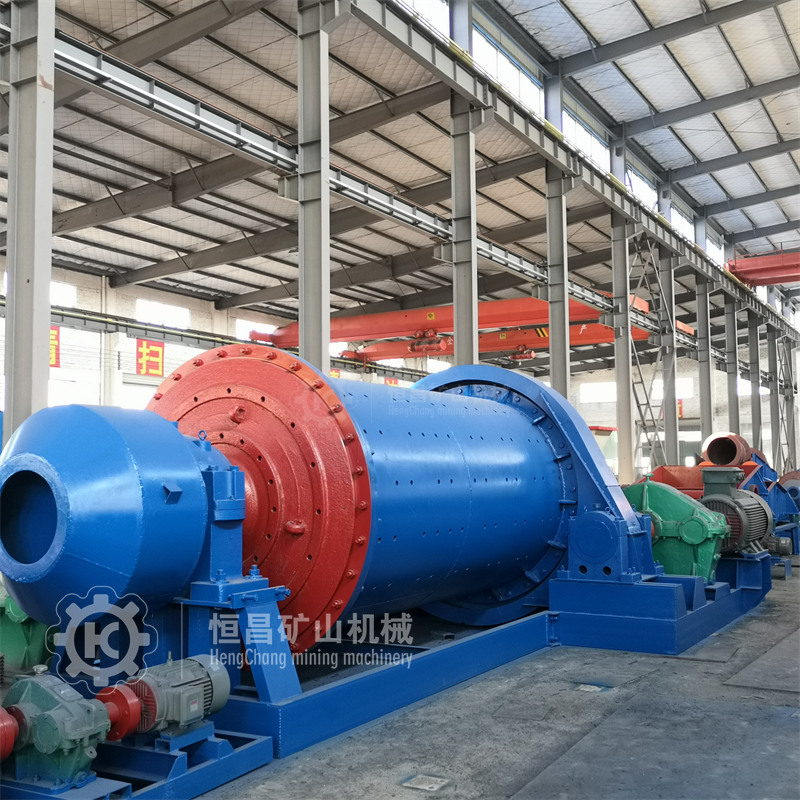
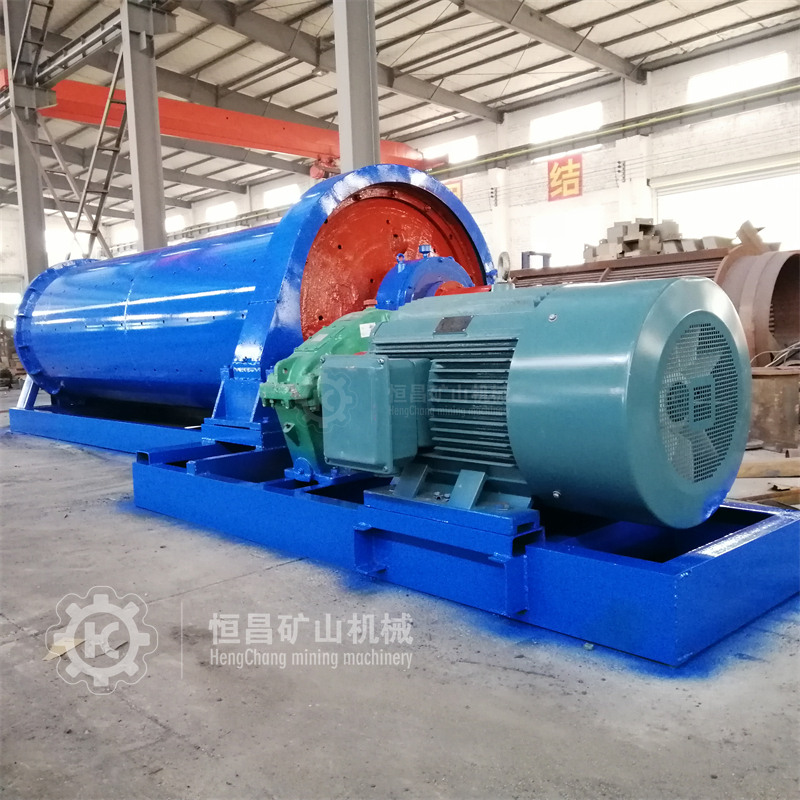
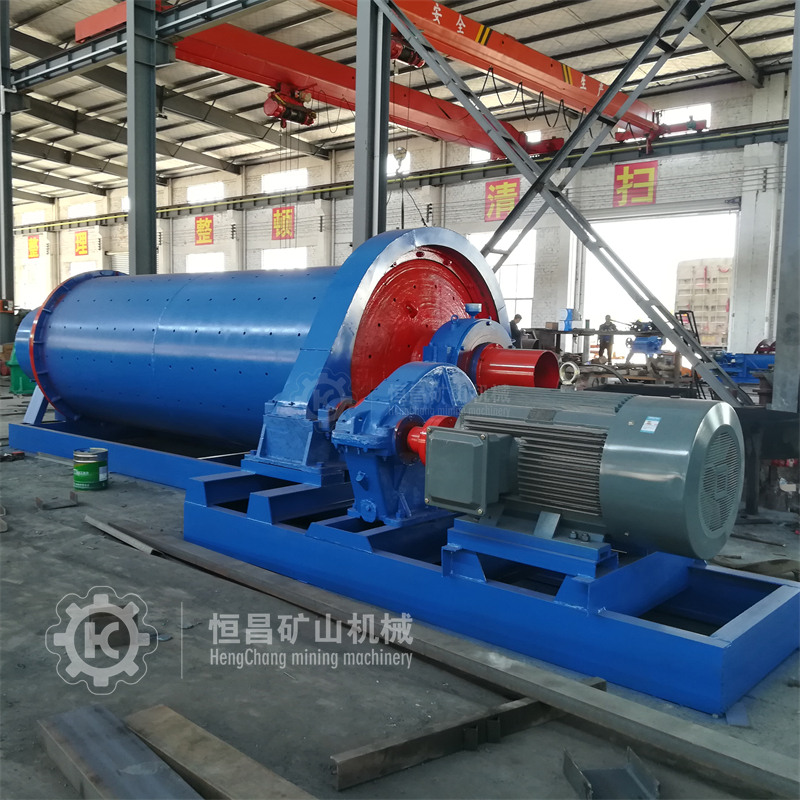
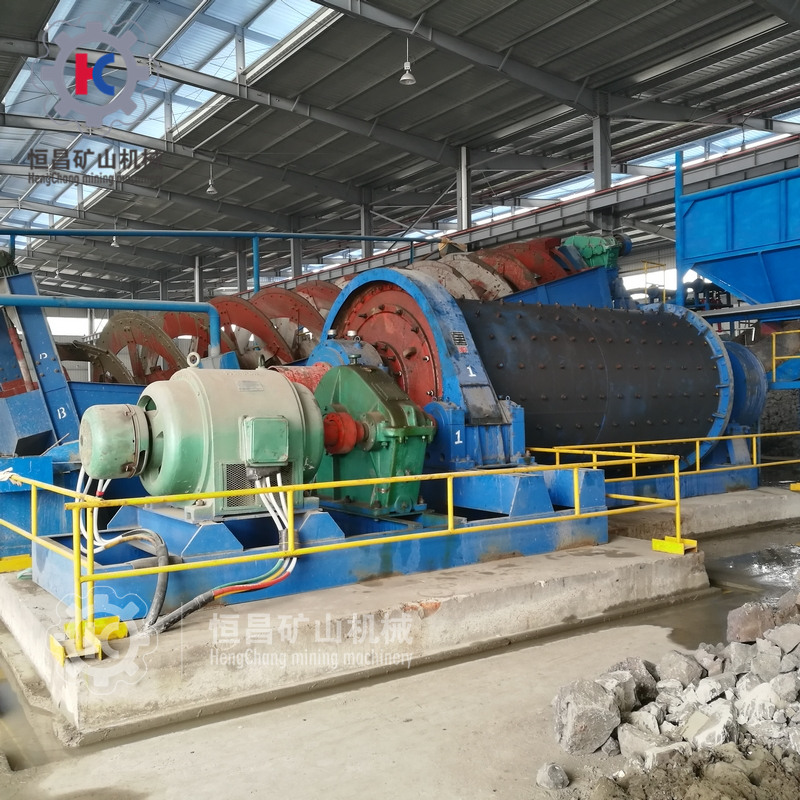
| Jaw Crusher + Ball Mill | $15,000–$30,000 | Crushing and grinding |
| Leaching & Agitation Tanks (4–6 tanks) | $10,000–$20,000 | Includes motor and stirrers |
| Carbon-in-Pulp Tanks + Screens | $8,000–$15,000 | Where the magic happens |
| Elution & Electrowinning System | $10,000–$25,000 | Strips gold off carbon |
| Pumps, Pipes, Electrical Controls | $5,000–$10,000 | The "glue" holding it together |
| Miscellaneous (installation, training) | $2,000–$5,000 | Don't skip this! |
Total: ~$50,000 – $120,000 for a turnkey plant, excluding site preparation.
Pro tip: Always ask about shipping costs—they can add 10–20% if you're overseas.
Real-World Examples: Who's Using These Plants?
Don't just take my word for it. Here are two actual cases:
Case 1: Small-Scale Miner in Ghana
A miner processing 8 TPD of oxidized gold ore bought a CIP plant from Jiangxi Hengchang. His setup included a jaw crusher, ball mill, and 6 leaching tanks. Total investment: $85,000 (including freight to Accra). He went from zero to producing gold bars in 6 months. His advice? "Don't buy the cheapest—buy the one with good after-sales support."
Case 2: Start-up in Indonesia
Another operator in West Java runs a 10 TPD plant processing primary gold ore. His system used 4 CIP tanks and a simple elution unit. Cost: $62,000. He's now processing 300 tons per month with 92% recovery. Not bad for a starter plant.
These are real guys, not theoretical examples.
How It Works: The Step-by-Step Flow
Okay, let's get technical (but plain English, I promise). Here's the process from rock to gold bar:
Crush it – Ore goes through a jaw crusher, then a ball mill to fine powder.Make slurry – Mix with water in a tank (45–50% solids).
Leach – Add cyanide and lime (pH ~10.5) to dissolve gold.
Capture gold – Send slurry through CIP tanks with activated carbon.
Strip gold – Use hot caustic solution to release gold from carbon.
Electrowin – Zap it with electricity to get gold onto steel wool.
Smelt – Melt it into bars.
Total time: About 24–48 hours from ore to gold. Not bad.
Key Features of a CIP Plant (What to Look For)
When you're shopping around, here's what matters:
Durable tanks: Look for stainless steel or thick carbon steel with rubber lining. Cheap tanks crack.Efficient agitation: Good mechanical stirrers ensure no dead spots. Your gold doesn't want to hide.
Carbon retention screens: These keep carbon from washing away. Tiny mesh matters a lot.
Automatic controls: Temperature and pH sensors save you headaches.
Jiangxi Hengchang uses heavy-duty steel and quality motors. Their tanks are designed for long life—even in harsh environments.
What Ore Types Work Best?
CIP is not a one-size-fits-all. Here's what rocks it:
Gold ore (>2 g/t) – Anything lower won't pay for chemicals.Oxidized ore – Easy to leach, high recovery (90–95%).
Sulfide ore – Requires additional steps (flotation or bio-oxidation) before CIP.
High-grade concentrate – If you can, pre-concentrate with gravity or flotation.
Avoid if your ore has high copper, arsenic, or organic carbon—they'll eat up cyanide and carbon.
Processing Capacity and Parameters
For a 5–10 TPD plant, here's the typical setup:
Annual throughput: ~1,500–3,000 tons/year (depending on shifts)Recovery rate: 85–95% (if you optimize)
Power consumption: 50–80 kWh per ton
Water usage: 2–3 m³ per ton of ore (recycle as much as you can)
Chemical cost: ~$10–$20 per ton (cyanide, lime, activated carbon)
Real talk: A 5 TPD plant might produce 50–200 oz gold per year, depending on grade. At $2,000/oz, that's $100k–$400k revenue.
Maintenance Tips (Keep It Running)
You don't want downtime. Here's the cheat sheet:
Daily: Check carbon level in tanks. Inspect screens for blockages.Weekly: Grease bearings on agitators and pumps. Test cyanide concentration.
Monthly: Clean carbon screens. Calibrate pH meters.
Quarterly: replace worn pump impellers. Check tank linings.
Yearly: Full system audit. replace carbon if needed.
Pro tip: Keep spare parts on hand—a broken screen kills production.
CIP vs. Other Methods: Which Is Better?
Let's compare:
| Method | Pros | Cons | Best For |
|---|---|---|---|
| CIP | Low cost, simple, works for many ores | Uses cyanide, requires carbon | Small to medium operations |
| Gravity | No chemicals, safe | Low recovery for fine gold | Placer deposits |
| Flotation | Good for sulfide ores | More complex, higher cost | Concentrates gold |
| CIL (Carbon-in-Leach) | Faster leaching time | More expensive equipment | Large-scale plants |
My take: For 5–10 TPD, CIP is usually the best bang for your buck. It's like a reliable pickup truck—not fancy, but gets the job done.
Where to Use It: Application Scenarios
You'll see these plants in:
Africa: Ghana, Tanzania, Zimbabwe (small-scale miners)Asia: Indonesia, Philippines, Mongolia (high-grade deposits)
South America: Peru, Colombia (artisanal operations)
Remote sites: No need for big infrastructure—just a generator and water
Not ideal for: Very wet climates (leaching slows) or high-clay ores (handling difficulties).
Final Thoughts: Is It Worth It?
Let's be honest—CIP isn't for everyone. But if you have 5–10 TPD of gold ore with >2 g/t grade, it's a proven, profitable route. The upfront cost is real, but with good equipment from a manufacturer like Jiangxi Hengchang, you'll see ROI in 6–12 months.
My advice: Don't overcomplicate it. Start with a simple setup, learn the process, then scale up. And always, always ask about operator training—it's worth its weight in gold.
Got questions? drop a comment below or DM me. I've helped dozens of miners get their plants running. You're not alone in this.
Happy prospecting, and may your gold be pure!