Chinese


Top 6 Iron Ore Processing Equipment Models: Buyer Guide & Price List for 2025
Are you a mine owner, plant manager, or procurement officer looking to upgrade your iron ore processing line in 2025? You know that choosing the right equipment can make or break your operation’s profitability. The market is flooded with options, but not all machines are built equal. In this guide, we break down the top 6 iron ore processing equipment models you should consider, based on real-world performance, durability, and cost-efficiency. We’ll cover the basics, how they work, and what to expect for pricing.
Before we dive in, if you’re looking for a trusted partner with a solid track record in beneficiation equipment technology, brands like Jiangxi Hengchang Mining Machinery offer a range of reliable options. They’re known for practical designs that work well in high-volume operations. Now, let’s look at the models.
Why Iron Ore Processing Matters More in 2025
Iron ore is the backbone of the steel industry. But raw ore is rarely pure enough for steelmaking. You need crushing, grinding, separation, and concentration. Without the right machines, you waste energy, lose valuable minerals, and increase your costs.
In 2025, efficiency and environmental compliance are tighter than ever. That’s why selecting proper mining equipment selection is critical for your bottom line.
Model 1: The Jaw Crusher – Your First Line of Attack
Brief Introduction: The jaw crusher is the workhorse of any primary crushing plant. It’s the first machine that takes 1-meter rocks down to 100-150mm.
How It Works: Two jaws—one fixed, one moving—crush the rock in a V-shaped cavity. Simple mechanical force does the job.
Structure Features: Heavy-duty steel frame, manganese steel jaw plates, and a reliable eccentric shaft.
Suitable Ores: All types of iron ore—hematite, magnetite, limonite, and even tough taconite.
Advantages: High reduction ratio, low maintenance, and can run 24/7. It’s tough as nails.
Processing Capacity: From 50 to 800 tons per hour (TPH), depending on model size. For example, a PE-600x900 handles about 80-140 TPH.
Maintenance Tips: Swap breaker plates every 2-3 months. Check the discharge gap weekly. Lubricate bearings daily. Keep the feed chamber clear of dust and debris.
Comparison: Cheaper than gyratory crushers. Easier to install. Best for medium-hard ore.
Model 2: Cone Crusher – The Secondary Crusher King
Brief Introduction: After the jaw crusher, the cone crusher takes over to reduce ore to 20-50mm for the grinding stage.
How It Works: A rotating mantle inside a stationary bowl. The ore is crushed between them as the mantle gyrates.
Structure Features: Hydraulic adjustment, spring-loaded safety system, and sealed dust-proofing.
Suitable Ores: Hematite, magnetite, and any ore with high silica content.
Advantages: Excellent shape control. Low operating costs. High uptime.
Processing Capacity: 100-500 TPH. A typical CS series does 150-300 TPH.
Maintenance Tips: Check oil temperature. Change filter every 500 hours. Inspect bowl liners for wear.
Comparison: Faster than an impact crusher for hard ore. Uses less energy than a hammer mill.
Model 3: Ball Mill – The Heart of Grinding
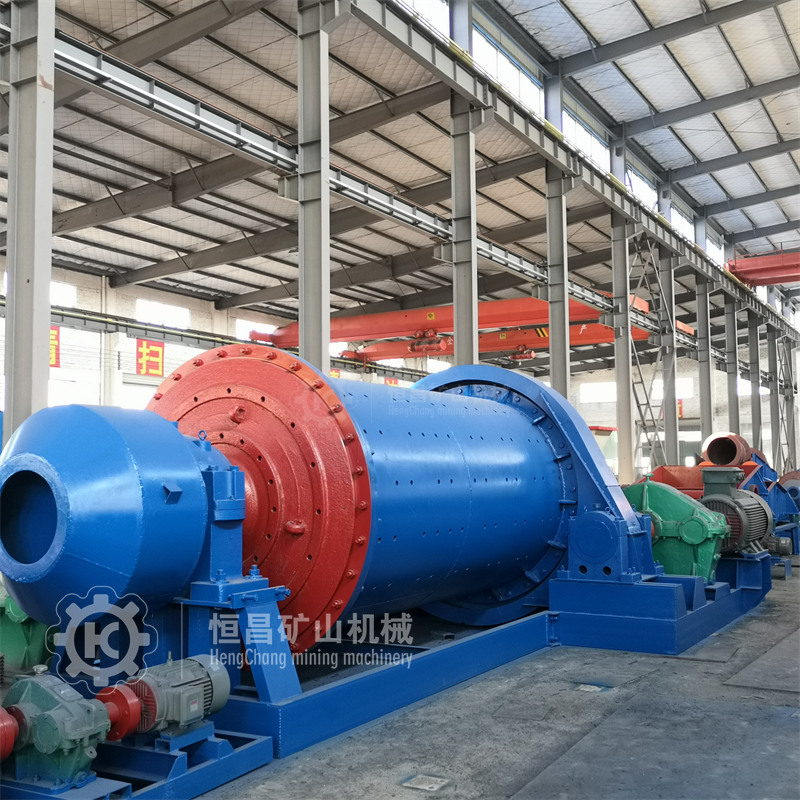
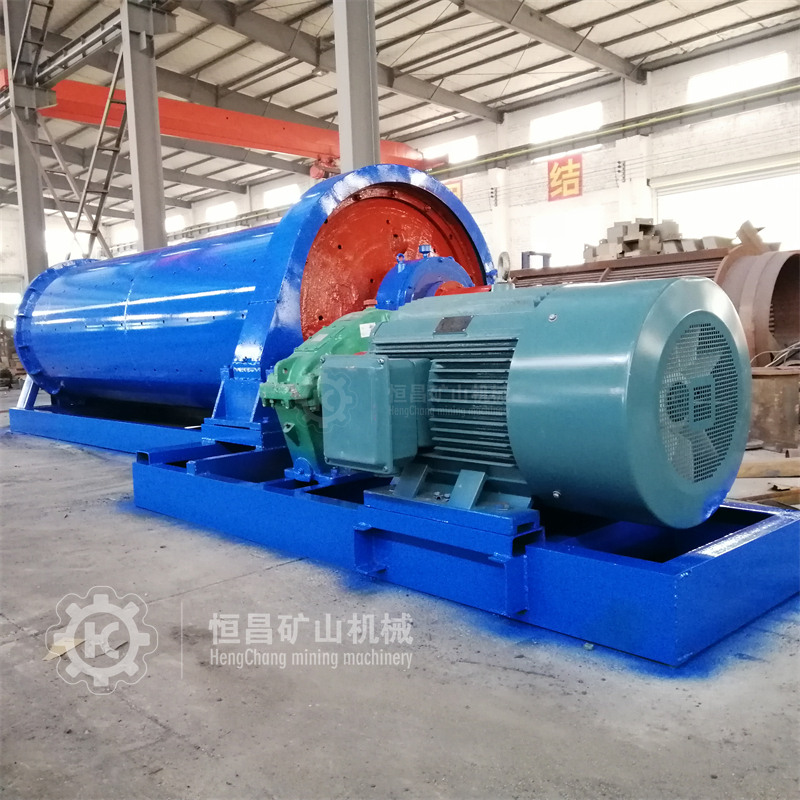
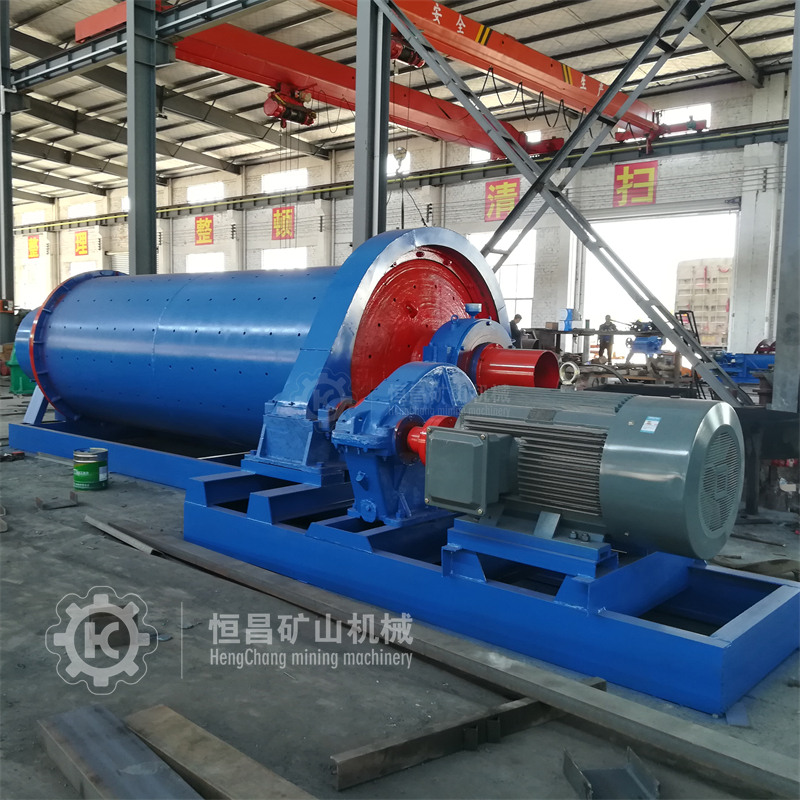
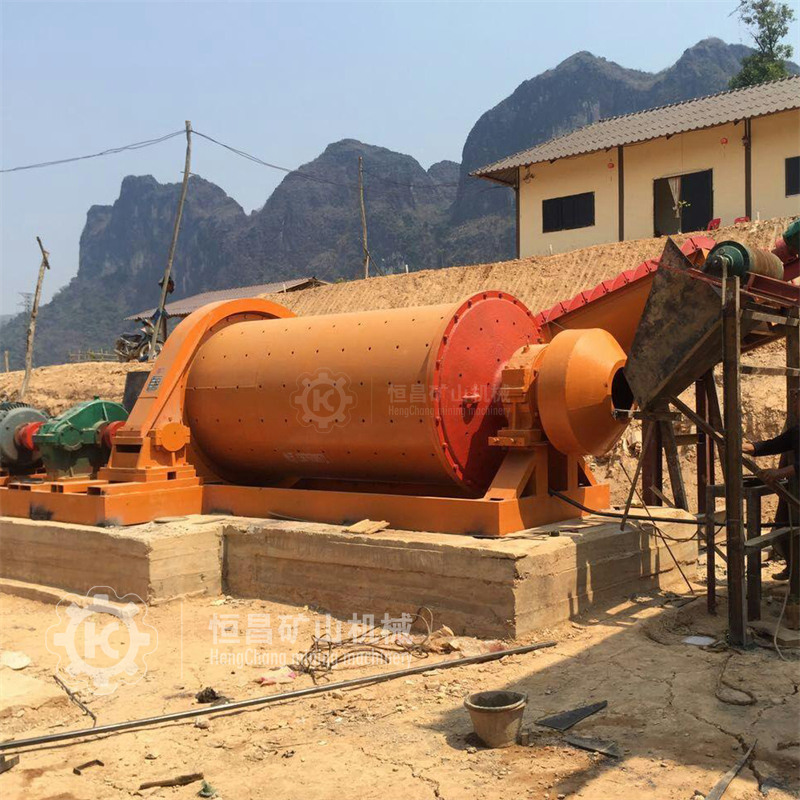
Brief Introduction: The ball mill is where you get fine grinding. It’s essential for liberating iron minerals from waste rock.
How It Works: A rotating steel drum filled with grinding balls. The ore tumbles inside, getting crushed and ground.
Structure Features: Cylindrical shell, replaceable liners, and a gear drive system. Wet or dry grinding options.
Suitable Ores: Fine grinding for magnetite and hematite. Essential for flotation or magnetic separation.
Advantages: High grinding efficiency. Reliable for continuous operation.
Processing Capacity: 2 to 200 TPH. A 2.2x7m wet grate mill handles about 50 TPH.
Maintenance Tips: Keep ball charge between 30-45%. Check liner thickness every 6 months. Ensure proper slurry density.
Comparison: Rod mills are coarser; ball mills are finer. The ball mill is more versatile.
Model 4: Magnetic Separator – The Game Changer
Brief Introduction: This is where you separate iron from non-magnetic waste. It’s the key to upgrading ore grade.
How It Works: A magnetic drum or roll produces a high-intensity magnetic field. Magnetic particles stick; non-magnetic waste falls away.
Structure Features: Ceramic or neodymium magnets, stainless steel drums, and automatic cleaning.
Suitable Ores: Mostly magnetite and some hematite (with advanced wet high-intensity separators).
Advantages: Low operating cost. No chemicals needed. Environmentally friendly.
Processing Capacity: 10 to 300 TPH. A CTB type wet separator can do 60-150 TPH.
Maintenance Tips: Clean magnet surface weekly. Check belt tension. replace magnets if they lose strength.
Comparison: Cheaper than flotation for magnetite. Higher recovery for fine iron.
Model 5: Spiral Classifier – The Simple but Effective Sizer
Brief Introduction: The spiral classifier splits your ball mill output into oversize and undersize. It’s the simple workhorse of the grinding circuit.
How It Works: A rotating spiral in an inclined tank. Coarse material sinks and is scraped up, and fine material overflows.
Structure Features: Heavy-duty steel, replaceable shoes, and a gearbox drive.
Suitable Ores: All types. Great for controlling grinding circuit size.
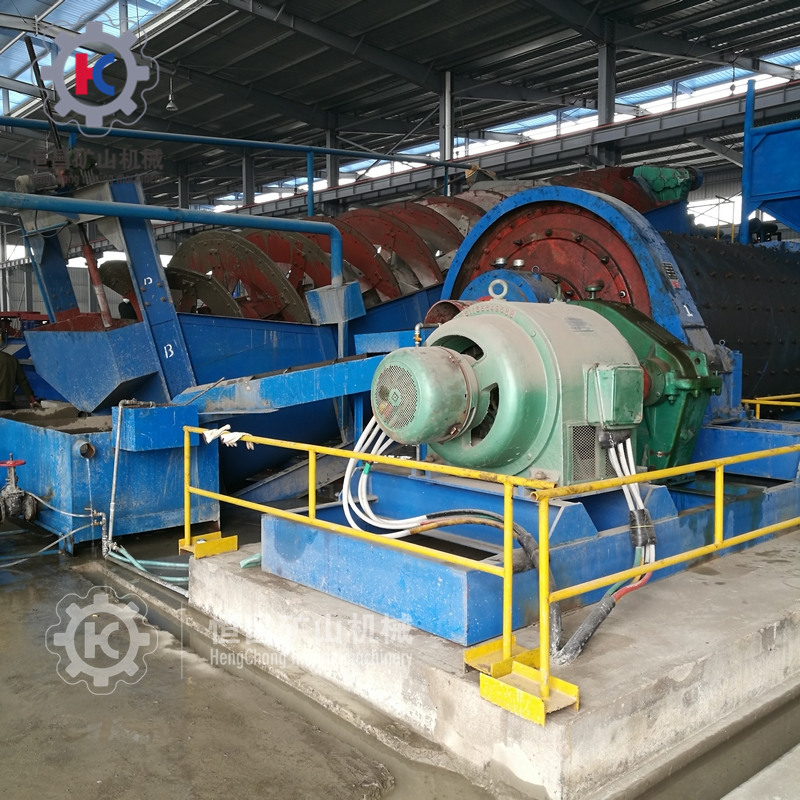
Advantages: Low power consumption. Easy to operate. No moving parts in the slurry.
Processing Capacity: 5 to 100 TPH. A 1.5m diameter spiral handles 20-40 TPH.
Maintenance Tips: Check shoe wear monthly. Keep water level stable. Lubricate bearings.
Comparison: Cyclones are faster but more sensitive. Spiral classifiers are simpler.
Model 6: Filter Press – The Dry Tailings Solution
Brief Introduction: A filter press turns wet iron concentrate into a dry, transportable cake. It’s also crucial for managing tailings.
How It Works: Slurry is pumped into chambers with filter cloths. Pressure forces water out, leaving a dry cake.
Structure Features: High-pressure hydraulics, polypropylene filter plates, and automatic cake release.
Suitable Ores: Concentrate dewatering and tailings drying for all iron ores.
Advantages: Reduces environmental impact. Low moisture final product. Saves water.
Processing Capacity: 5 to 80 TPH. A 1500x2000mm press handles about 15-30 TPH.
Maintenance Tips: replace filter cloths every 3-6 months. Check hydraulic oil. Clean corners.
Comparison: Cheaper than vacuum filters for high-volume. Better drying than thickeners.
Tips for Equipment Selection in 2025
When you’re deciding on your ore beneficiation process setup, consider these factors:
Ore type: Harder ore needs more robust crushers. Magnetic ore works well with magnetic separators. Soft ore need less grinding power.Capacity: Match the throughput from the start. A bottleneck at the crusher will slow down your entire plant.
Operating cost: Energy and wear parts cost money. Magnet separators and ball mills consume electricity. Filter presses use high pressure and have cloth costs.
Maintenance crew: Simple machines like spiral classifiers are easier to maintain than complex cone crushers.
Environmental rules: In 2025, dry tailings are a must in many regions. Filter presses are crucial here.
Case Example from the Field
We visited a magnetite plant in Inner Mongolia last year. They upgraded from an old cone crusher to a modern HP series model. Their throughput increased by 30%, and they reduced energy cost per ton by 13%. They paired it with a Jiangxi Hengchang magnetic separator that boosted their concentrate grade from 56% Fe to 65% Fe. Simple changes made big money.
Application Scenarios Summary
Greenfield projects: Start with a jaw crusher + cone crusher + ball mill + magnetic separator. You’ll cover most needs.Brownfield expansions: Add a second ball mill and a finer crusher. Upgrade the magnetic separator to handle higher ore flow.
Small mines: Use a mobile jaw crusher, a small ball mill, and a dry magnetic separator. Keep it simple.
Large scale: Invest in a gyratory crusher, multiple cone crushers, and large ball mills with automated controls.
Conclusion
The iron ore processing equipment market in 2025 is all about mineral beneficiation technology that balances cost, recovery, and environmental impact. The top 6 models we discussed will handle about 95% of the iron ore grades out there. For a reliable partner with field-tested gear, check out Jiangxi Hengchang Mining Machinery—they offer a complete line from crushers to filters.
Remember: your equipment selection is the single biggest decision for your plant’s profitability. Take your time, test your ore, and choose machines that can handle the hard work. That’s the real secret.
Price Note: Prices vary widely by brand, capacity, and location. As a rough guide for 2025: Jaw crushers start around $15,000 for small units. Ball mills can cost from $50,000 to $500,000. Magnetic separators range from $3,000 to $30,000. Filter presses are typically $20,000 to $100,000. Get at least three quotes and factor in shipping and installation.
Good luck with your iron ore project!